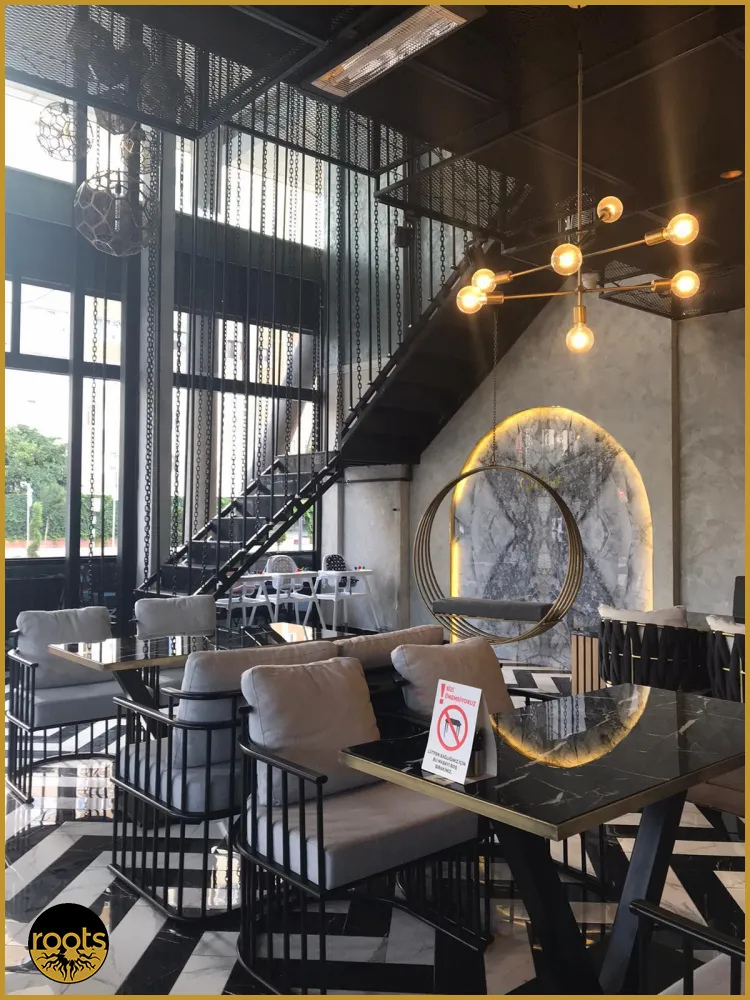
Space Design and Furniture Compatibility in Cafe Projects
The success of a cafe business is directly related to the comfort and visual identity offered by the space, as well as the quality of the products served. Cafe table and chair projects are not only furniture supply, but also an engineering and design process that reflects the spirit of the space. These projects increase the square meter efficiency of the space while ensuring that customers feel comfortable and spend more time in the venue.
Proper project management begins by analyzing the target audience, concept (modern, rustic, industrial, etc.) and daily operational needs of the space. For example, while more minimal and practical solutions are preferred at a "take-away" point with fast circulation, ergonomics and upholstery quality come to the fore in restaurant-cafe concepts aimed at long-term seating.
Why Should a Professional Cafe Project Be Preferred?
Individual furniture purchases can cause the pieces to look incompatible with each other or the space to be used incorrectly. A professional cafe project offers the following advantages:
- Space Optimization: It establishes the balance between the layout of the tables, the width of the service corridors and customer privacy.
- Brand Identity: The selected colors and textures complete the corporate identity of your business.
- Longevity: Instead of household furniture, durable materials suitable for commercial usage intensity are selected.
- Ergonomics: Technical details such as the distance between the chair height and the tabletop take customer comfort to the highest level.
Material Types and Comparative Analysis
The choice of material used in cafe furniture determines both the cost and the maintenance periods. While aesthetic concerns are at the forefront in interior architecture, resistance to weather conditions (UV protection, rust resistance) is of critical importance in exterior architecture.
| Material Type | Durability | Area of Use | Cost Axis |
|---|---|---|---|
| Solid Wood | High (Requires maintenance) | Indoor | Medium - High |
| Metal / Aluminum | Very High | Indoor and Outdoor | Medium |
| Compact Laminate | Very High (Scratch-resistant) | Outdoor / Intensive Use | Medium |
| Polypropylene (Plastic) | Medium - High | Outdoor / Garden | Economical |
| Marble / Natural Stone | High (Heavy) | Indoor / Premium | High |
Technical Details to Consider Before Purchasing
The basic criteria that will facilitate your decision-making process when choosing furniture for a cafe project are as follows:
- Weight and Mobility: Chairs may need to be easy to pull during cleaning or heavy enough not to be affected by the wind outdoors.
- Stackability: Especially in businesses where space is limited or furniture is taken inside in the evenings, the ability of chairs to stack on top of each other is a great convenience.
- Fabric Selection: In upholstered products, fabrics that are easy to clean, stain-resistant and have a high friction coefficient (high Martindale test) should be selected.
- Glides and Leg Structure: Choosing glides suitable for the floor type (parquet, ceramic, concrete) both prevents noise and prevents the floor from being scratched.
What Sets It Apart from Alternatives
The biggest difference between standard retail products and professional cafe furniture is industrial standards. While retail products are designed for 1-2 hours of use per day, products in a professional cafe project are manufactured to withstand 12-16 hours of intensive traffic per day, continuous cleaning chemicals and different user weights. This is the most important investment that reduces operating costs in the long term.
Frequently Asked Questions
What is the ideal table size for a small cafe?
Generally, 60x60 cm or 70x70 cm square tables for two-person seating are the most suitable in terms of space efficiency. These tables can also be combined when needed and used for groups of four or six.
Which material is more durable in outdoor furniture?
Stainless steel, electrostatically powder-coated aluminum and natural oiled woods such as iroko are the most resistant materials to outdoor conditions. Among plastic derivatives, UV-added polypropylene materials resist color fading under the sun.
How should furniture selection be based on floor type?
On carpeted floors, models with pointed legs should be avoided, and wide-based glides should be preferred. On hard floors, rubber or felt-based glides must be used to prevent noise pollution.
What is the delivery time for a cafe project?
Depending on the scope of the project and the density of custom-designed products, delivery times generally vary between 2 and 6 weeks. For models available in stock, this period is shorter.
In conclusion, when creating a cafe project, it is necessary to balance aesthetic expectations with functional requirements. A space prepared with quality materials, correct scaling and expert opinion will become not just a dining area, but an indispensable living space for your customers.











































































