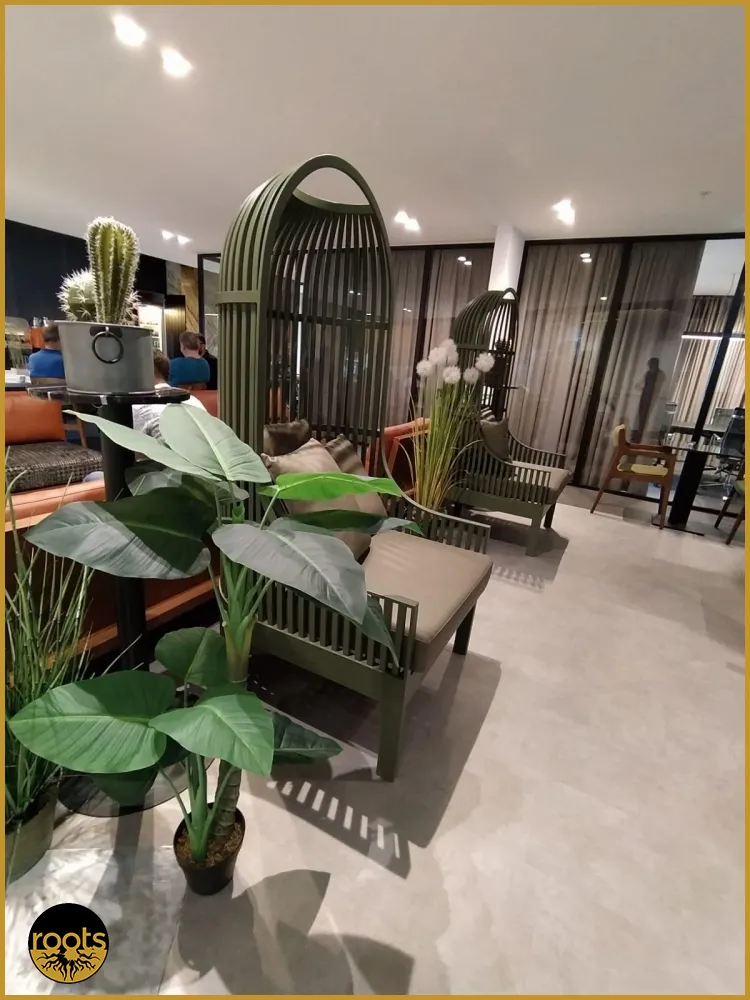
The Strategic Importance of Table and Chair Selection in Cafe Projects
One of the most fundamental elements that forms the identity of a cafe business is the choice of furniture that reflects the spirit of the space. Cafe table chair projects mean not only an aesthetic concern but also operational efficiency, customer comfort and long-term investment profitability. A correctly structured layout plan directly affects the time customers spend in the space and their potential to return.
Furniture produced for commercial spaces, unlike household furniture, must be resistant to high circulation and physical wear. The main purpose in these projects is to maximize spatial efficiency while creating an atmosphere suited to the brand's target audience. Regardless of whether it is modern, industrial, rustic or classic, every concept brings with it its own material language and ergonomic standards.
Material Selection and Comparative Analysis
In the selection of furniture to be used in cafe projects, criteria such as indoor or outdoor use, ease of cleaning and cost are determining factors. The table below compares the most preferred material types across different variables:
| Material Type | Durability | Area of Use | Cost | Maintenance Requirement |
|---|---|---|---|---|
| Solid Wood | High (Impact resistant) | Indoor | High | Regular polishing required |
| Metal / Aluminium | Very High | Indoor and Outdoor | Medium - High | Low |
| Polypropylene (Plastic) | Medium | Outdoor / Garden | Economical | Very Low |
| Marble / Composite | High (Sensitive to scratching) | Indoor / Luxury Concept | Very High | Special cleaning products |
| Werzalit / Compact | High (Heat and water resistant) | High-Turnover Areas | Economical - Medium | Low |
Critical Points to Consider Before Purchasing
Before starting furniture procurement for a cafe project, the following details that will facilitate the operational process should be taken into consideration:
- Ergonomics and Comfort: The difference between the seat height of the chairs and the height of the table should be around 28-30 cm as a standard. A seat in which the customer cannot be comfortable reduces the rate at which the space is preferred.
- Floor Compatibility: The leg structure of the selected tables should adapt to irregularities in the floor. Adjustable glides (pingos) provide comfort by preventing the table from wobbling.
- Stackability: Especially in outdoor or event-focused cafes, the ability of chairs to nest into each other (stackable) provides ease of cleaning and storage.
- Weight Balance: While lightweight furniture provides an advantage during cleaning, in outdoor areas exposed to wind, heavier materials that do not carry the risk of tipping over (cast legs, etc.) should be preferred.
- Fabric Technology: In upholstered products, fabrics that are easy to wipe clean, stain-resistant and have flame-retardant properties (commercial grade) should be selected.
Design Solutions That Differ from the Alternatives
Choosing products focused on a custom cafe project instead of the standard furniture available on the market gives the business uniqueness. Although ready-made products generally offer a quick solution, tables dimensioned specifically for the space (for example, bar tables placed between columns) minimize loss of space. In addition, the electrostatic powder coatings used in industrial designs are much more resistant to scratches than classic paints and ensure that the furniture preserves its new appearance under intensive use.
Frequently Asked Questions
In narrow spaces, square tables should generally be preferred. Square tables can easily be transformed into a group seating arrangement by placing them side by side. In addition, single-leg (central leg) tables increase legroom and offer customers a more spacious seating area.
In outdoor areas, aluminium, iroko wood, synthetic rattan or high-quality polypropylene materials that are resistant to sunlight (UV rays) and rain should be selected. If iron furniture is to be preferred, it must have undergone cataphoresis coating or a paint process suitable for outdoor use.
For furniture intended for commercial use, a warranty of at least 2 years should be sought. However, it is not only the duration that matters; it should also be questioned whether the manufacturer provides spare parts support (for example, chair glides, table leg screws).
In conclusion, while carrying out a cafe table chair project, the balance between aesthetics, durability and cost must be well established. Processes started without analyzing the square meters of the venue may lead to layout problems and customer discomfort in the future. A professional approach positions furniture not merely as an item, but as an investment tool that increases the efficiency of the business.











































































