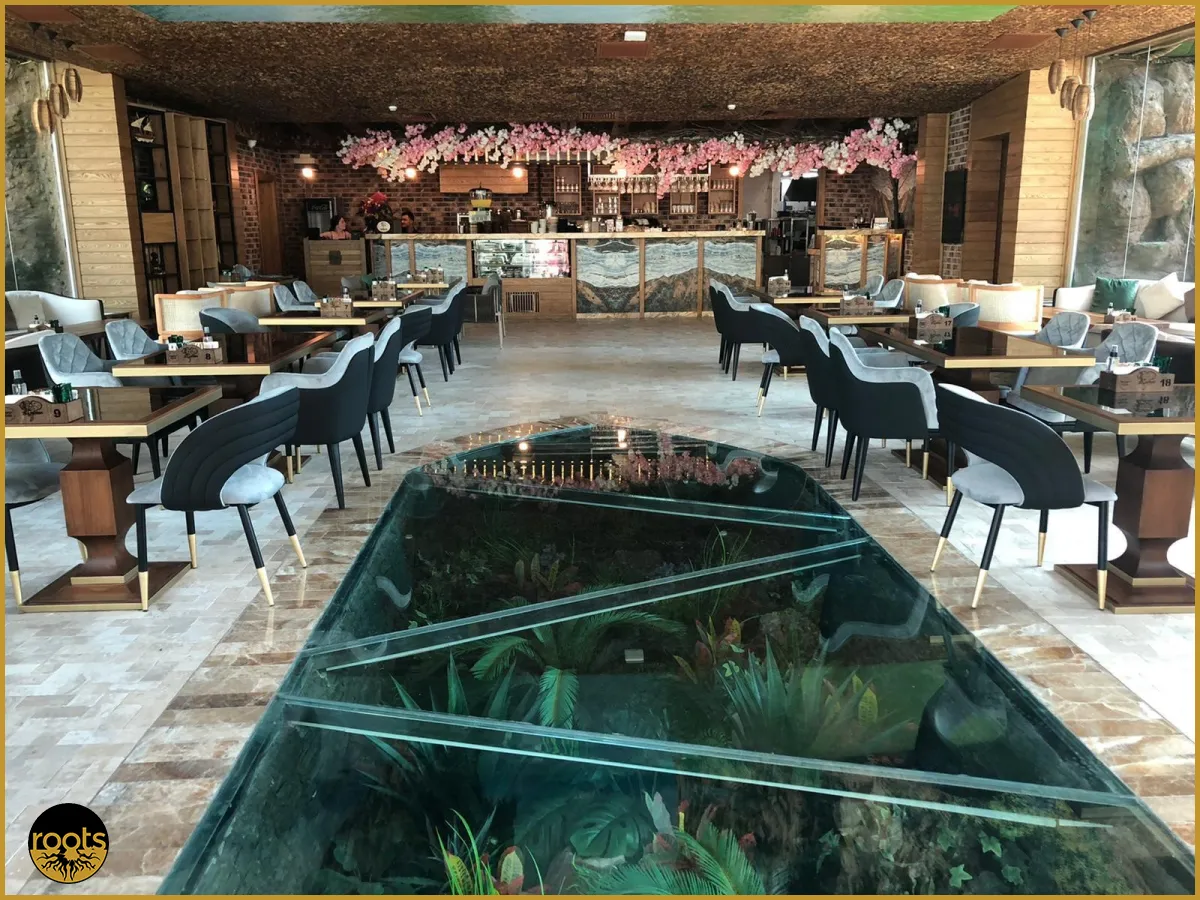
Concept Cafe Designs: Reflecting Brand Identity onto the Space
Today, going to a cafe means more than just drinking something; it means experiencing the atmosphere on offer. Concept cafe designs are an architectural process that creates the soul of the space and materializes the story promised to the customer. Interior architectural cafe designs aim to combine aesthetic elements with functionality, both easing the operational burden on the operator and maximizing the comfort of visitors.
The Role of Interior Architectural Design for the Business
For a business owner, design is not just a visual preference but a direct investment tool. A correctly structured architectural project meets the following needs:
- Brand Awareness: It increases memorability by differentiating the business from others.
- Customer Flow (Circulation): It prevents chaos by optimizing traffic between the entrance, order point and seating areas.
- Operational Efficiency: It provides kitchen and bar layouts that increase staff service speed.
- Comfort and Experience: With the right lighting and acoustic solutions, it allows customers to spend longer periods of time.
Material Selection and Comparison in the Design Process
The materials chosen in cafe design both determine the style of the space and affect long-term maintenance costs. The durability of the materials to be preferred in the interior should be selected according to the circulation density of the space.
| Material Type | Durability | Area of Use | Cost Scale |
|---|---|---|---|
| Natural Wood | Medium (Requires Maintenance) | Seating areas, wall coverings | High |
| Industrial Metal | Very High | Shelf systems, lighting, furniture legs | Medium |
| Marble / Natural Stone | High (Sensitive to stains) | Bar counters, floors | Very High |
| Ceramic / Tile | High | Kitchen, wet areas, decorative floors | Economical - Medium |
| Microcement | High | Floors and modern wall surfaces | Medium |
In Which Cases Should Professional Architectural Design Be Preferred?
When starting a new venture or renovating an existing business, receiving architectural support prevents faulty investments. Especially in areas with narrow square footage, efficient use of every centimeter is only possible with professional planning. In addition, if the target audience of the space is an upper-segment audience, the material quality in the details and the original design language become a necessity rather than a reason for preference.
Things to Consider Before Purchasing and Implementation
Thinking about the following points before receiving design services ensures that the process progresses healthily:
- Budget Planning: Not only the design cost but also the implementation and material costs should be estimated in advance.
- Target Audience Analysis: Will your cafe be a workspace, or will it focus on a fast take-away concept?
- Lighting Strategy: The balance of light between daytime and nighttime use has a direct effect on customer psychology.
- Acoustic Arrangement: Sound insulation and echo control are critical to ensuring comfort is not compromised during busy hours.
Frequently Asked Questions
Question: How long does the concept design process take?
Answer: Depending on the size of the space and the desired level of detail, the design phase generally varies between 2 and 4 weeks. The implementation process, on the other hand, varies according to the procurement times of the selected materials.
Question: Is industrial design or modern design more advantageous?
Answer: This depends entirely on your target audience. While industrial designs generally offer lower maintenance costs and durability, modern and minimal designs create a more spacious and hygienic perception.
Question: What approach should be followed in small-square-meter cafes?
Answer: In small spaces, light color tones, mirrored surfaces and vertical storage solutions should be preferred. In addition, multi-purpose furniture makes the space appear larger.
Alternative Approaches and Differentiation
To differentiate from traditional cafe decorations, biophilic design (in touch with nature) or retro-futuristic approaches can be preferred. The quality of the textile products used in the design, the tactile feel of the tables and even the selected plant species are micro details that enable your brand to differentiate from its competitors. It should not be forgotten that; a good design does not only appeal to the eye, it also quietly manages the operation of the space.











































































