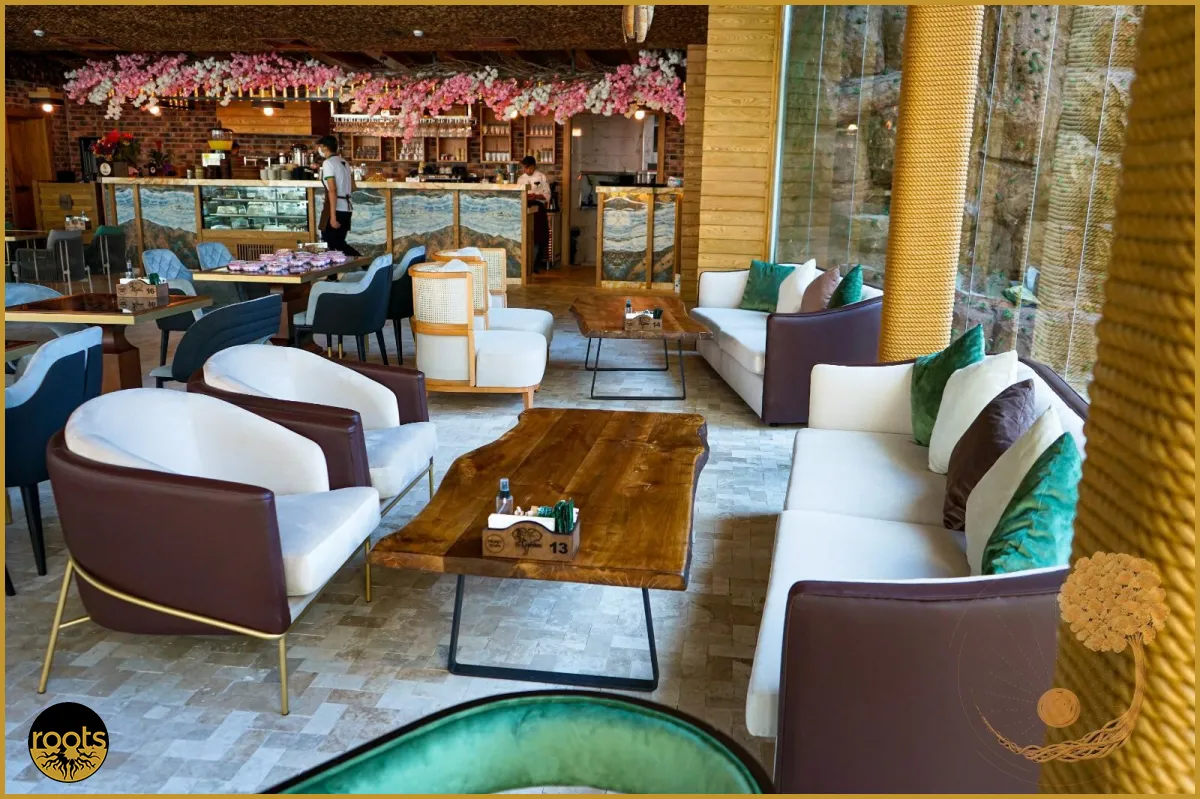
Concept Cafe Designs: Creating Venues That Attract Your Customers
The success of a cafe is directly related to its atmosphere and the experience it offers, as well as the coffee and flavors it serves. Especially in today's competitive market, an original and memorable cafe concept design is critically important to stand out from the ordinary. Interior architecture is the cornerstone of creating a space where this concept comes to life and where customers feel comfortable, inspired and pleased.
What Is Concept Cafe Design and Why Is It Important?
Concept cafe design is not merely an aesthetic appearance. It is a holistic approach that reflects the identity of the venue, its target audience, the service offered and the values of the brand. A well-designed concept offers your customers an unforgettable experience, helping you win their loyalty and increase your brand awareness. This enables a cafe to become more than just a place to drink coffee, but a meeting point, a workspace or a corner for relaxation.
Who Is It Suitable For?
- Entrepreneurs planning to open a new cafe.
- Business owners who want to improve the atmosphere and customer experience of their existing cafe.
- Those who want to create an original identity during the branding process.
- Operators who want to attract attention with their decoration and differentiate themselves from their competitors.
- Anyone who wants to create a special atmosphere that appeals to their target audience.
Which Needs Does It Meet?
A comprehensive interior architectural cafe design brings together functionality, aesthetics and brand identity to meet the following needs:
- Optimization of Space Usage: It creates a smooth circulation area, comfortable seating arrangements and efficient service areas.
- Improvement of Customer Experience: By creating an inviting, comfortable and theme-appropriate atmosphere, it encourages guests to spend more time in the venue.
- Strengthening of Brand Identity: It embodies the personality and values of the brand through design language, colors, furniture and lighting.
- Operational Efficiency: It provides an arrangement where staff can work comfortably and material flow is easy.
- Social Media Impact: Aesthetic and original designs create a natural ground for visual sharing, contributing to organic promotion.
In Which Situations Should It Be Preferred?
An original cafe design should especially be preferred in the following situations:
- When you want to stand out in a highly competitive market.
- When you want to appeal to a specific target audience (for example, students, art lovers, business people).
- When you want to tell your brand's story and values through the venue.
- When you aim for the cafe to be not just a food and beverage area, but a living space.
- When you want to maximize the potential of the venue and accelerate the return on investment.
In Which Aspects Does It Differ from Its Alternatives?
Unlike standard cafe decoration, concept cafe designs require more in-depth planning and creativity. These differences are as follows:
- Holistic Approach: Not only furniture selection, but all elements such as lighting, color palette, material use, acoustic arrangement and even music selection form a harmonious whole.
- Originality and Storytelling: Each concept has its own unique story and theme. This takes the venue out of the ordinary and turns it into an area of discovery for visitors.
- Target Audience Focus: The concept is developed directly by taking into account the expectations, lifestyle and tastes of the target audience.
- Experience Design: An experience is designed that covers every moment of the customer from entering to leaving the venue.
What Should Be Considered Before Purchasing (Design Service)?
Paying attention to the following points before receiving a design service for an interior architectural cafe project is important for the success of the project:
- Review the Portfolio of the Design Team: Do the team's previous projects reflect the style and quality you want?
- Inquire About Their Experience: Find out how experienced they are in cafe and commercial space design.
- Evaluate Their Communication Style: Can you communicate easily with the design team? Do they understand you?
- Determine Your Budget: You should have a clear budget you can allocate for design and implementation. This helps determine the scope of the design.
- Understand the Project Delivery Processes: Get clear information about which stages the design process will go through, how long it will take and how the delivery will be made.
- Explain Your Needs in Detail: Share your clear vision about your target audience, your concept, your expectations and the functionality of the venue.
Material Selection: Durability, Cost and Areas of Use
Material selection in cafe designs is of great importance both aesthetically and functionally. The following table compares some commonly used materials and their properties:
| Material Type | Durability | Interior/Exterior Architectural Use | Cost (Average) | Properties |
|---|---|---|---|---|
| Wood (Solid, Plywood) | Medium-High (Varies by Type) | Interior Architecture (Wide Area) / Exterior Architecture (Sheltered Areas or with Special Treatment) | Medium-High | Natural, warm, aesthetic. May require maintenance. Offers different textures and colors. |
| Metal (Stainless Steel, Iron, Aluminum) | High | Interior and Exterior Architecture | Medium-High | Ideal for modern, industrial and minimalist designs. Strong and long-lasting. |
| Marble / Granite | High | Interior Architecture (Countertop, Floor, Wall) | High | Offers a luxurious and prestigious look. Its natural patterns are unique. It is heavy and can stain. |
| Concrete (Cast, Panels) | Very High | Interior and Exterior Architecture | Medium | Suitable for industrial, modern and minimalist styles. Offers different surface finishes. |
| Ceramic / Porcelain | High | Interior and Exterior Architecture (Floor, Wall, Countertop) | Medium | Offers a wide variety of color, pattern and texture options. Easy to clean and durable. |
| Glass (Tempered, Laminated) | Medium-High (By Type) | Interior and Exterior Architecture (Door, Window, Partition, Decorative Element) | Medium-High | Adds spaciousness to the space. Provides brightness and transparency. Requires special processes for safety. |
| Textile (Fabrics, Leather) | Medium (By Use) | Interior Architecture (Upholstery, Curtain, Decorative) | Medium-High | Adds comfort, warmth and color. Stain resistance and durability are important. |
Frequently Asked Questions
In summary, the foundation of establishing a successful cafe business lies not only in offering delicious products, but also in creating a space that draws your customers in and gives them a special experience. Concept cafe designs and detailed interior architectural cafe works are among the most effective ways to shape this experience and increase the value of your business and customer satisfaction.











































































