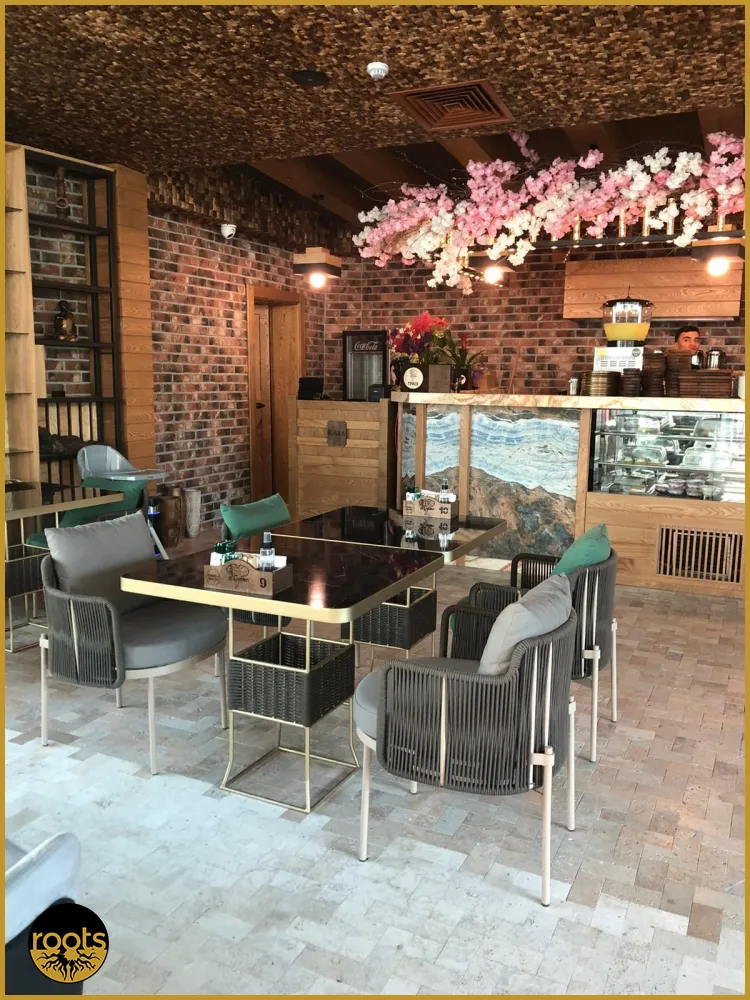
The Role of Concept Cafe Designs and Interior Architecture in Business Success
In the modern world, running a cafe has gone beyond simply offering good coffee or delicious food. When customers visit a venue, they now expect to buy not just a product but an experience. Concept cafe designs form the cornerstone of this experience. Interior architecture is a strategic discipline that defines the soul of the venue, builds a connection with the target audience, and ensures the sustainability of the business.
A well-constructed architectural project transcends the physical boundaries of the venue and offers guests an atmosphere that makes them feel special. This atmosphere must be considered as a whole, from the color palette to furniture selection, from lighting angles to acoustic arrangements. Interior Architectural Cafe Designs aim to maximize operational efficiency by combining aesthetics with functionality.
Why Is Concept Design Necessary and Who Is It Suitable For?
Concept design is the process of reflecting a business's identity (branding) onto the physical space. A professional architectural touch is a must, especially for those starting a new venture, existing operators who want to renew their brand, or brands on the path to franchising.
- New Entrepreneurs: A unique concept is of vital importance for those who want to make a strong entry into the sector and stand out from their competitors.
- Boutique Businesses: It offers tailored solutions for those who want to use limited space in the most efficient way and appeal to a niche audience.
- Chain Brands: Standardized design guidelines are created for structures that want to maintain the same corporate language and comfort standards across different locations.
Functionality and Needs Analysis in Venue Design
A cafe's design should not only offer a visual feast but also facilitate operational processes. Elements such as the correct management of customer traffic, the ergonomics of kitchen and service areas, and the mobility of staff form the backbone of the design. A non-ergonomic design slows down service speed and leads to customer dissatisfaction.
Material Selection and the Durability Axis
In venues with heavy human traffic such as cafes, material selection is a critical decision in terms of both cost and longevity. The preferred materials should determine the style of the venue (industrial, modern, retro, etc.) while also providing ease of maintenance.
| Material Type | Durability | Area of Use | Cost Analysis |
|---|---|---|---|
| Solid Wood | High (Requires maintenance) | Tabletops, decorative ceilings | Medium - High |
| Industrial Metal | Very High | Shelf systems, lighting, chairs | Low - Medium |
| Natural Stone / Marble | High (Stain sensitivity) | Bar counters, flooring | High |
| Epoxy / Microcement | High and Hygienic | Floors and wet areas | Medium |
Points to Consider Before Purchasing and Implementation
Considering the following points before purchasing an architectural service or implementation package will accelerate the return on your investment (ROI):
- Target Audience Analysis: Who is the space designed for? Students, remote working professionals, or families?
- Lighting Strategy: A balance must be established between the use of natural light during the day and the ambiance created in the evening.
- Acoustic Arrangement: Preventing noise pollution in the space ensures that customers spend longer periods of time there.
- Ventilation and Air Conditioning: Kitchen odors must not leak into the seating area, and the ideal temperature must be maintained in every season.
- Permits and Technical Regulations: The design's compliance with fire regulations and municipal legislation must absolutely be checked.
Frequently Asked Questions
Depending on the size of the space and the complexity of the concept, the design process generally ranges from 2 to 6 weeks. The implementation phase, however, varies depending on the project.
To create a unique identity, it is recommended to prefer custom-made products at certain points of the space (especially the bar and reception area). However, for budget balance, high-quality ready-made furniture can be used for complementary pieces.
On the contrary, mistakes made in small spaces are harder to compensate for. Professional architectural planning increases square meter efficiency by minimizing dead areas and prevents expenses that would arise from wrong material choices in the long run.
Yes. The presence of "Instagrammable" (aesthetic) corners provides free advertising by encouraging customers to share your venue on social media. Additionally, a comfortable space design increases the customer's length of stay in the venue and therefore the amount they spend.
Contributions of the Right Design to the Business
In conclusion, interior architectural cafe designs are not merely a decoration activity; they are the physical form of a business model. With the psychological effects of the right colors, you can stimulate appetite; with the right seating arrangement, you can accelerate circulation; or with the right lighting, you can build a loyal customer base. When making an architectural investment, it must not be forgotten that this is not only for today's appearance but for the future brand value of your business.
At the decision-making stage, the healthiest approach would be to focus not only on the 3D visuals of the presented projects but also on their technical details, material spectrum, and post-implementation support processes.











































































