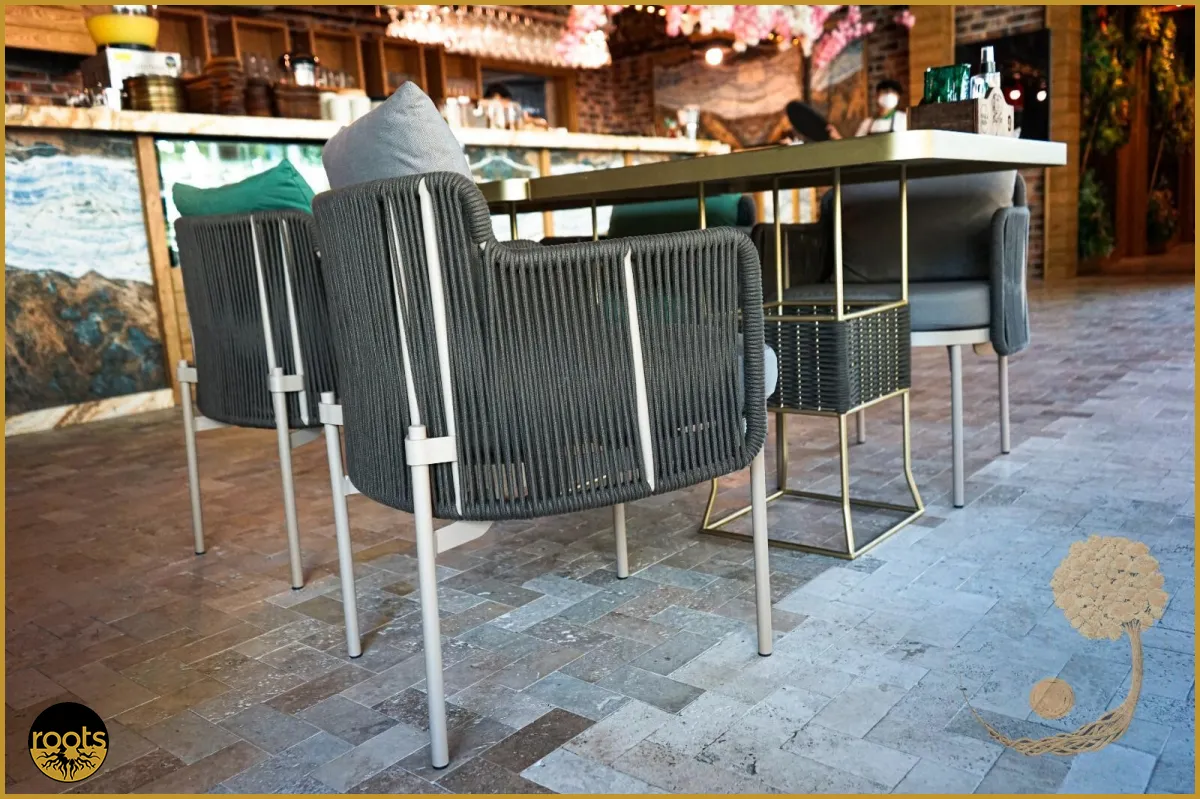
Concept Cafe Designs and Interior Architectural Approaches
One of the keys to success in cafe management is offering your guests an unforgettable experience. One of the most fundamental building blocks of this experience is the atmosphere and aesthetics of the space. Concept cafe designs not only offer visual appeal but also create a functional area that reflects the brand's identity and appeals to the target audience. Interior architecture is the art that brings this concept to life and maximizes the potential of the space.
What Is Concept Cafe Design?
Concept cafe design is a special design process built on a unique identity, story and atmosphere for a cafe business, in which every detail, from the overall space arrangement to decoration, from furniture to lighting, is shaped around this main idea. This is directly related not only to aesthetic concerns but also to the business's target audience, the products it offers, brand value and marketing strategies. A successful concept ensures that customers connect with the space, visit again and share their experiences with those around them.
What Is Concept Cafe Design For?
An effective concept cafe design provides concrete benefits in many different areas of a business:
- Creating and Strengthening Brand Identity: The design of the space visually conveys the brand's vision and values, creating a memorable identity.
- Appealing to the Target Audience: The determined concept creates an environment suited to the expectations and tastes of the target customer group, ensuring that they embrace the space.
- Standing Out in Competition: In today's competitive cafe market, an original and attention-grabbing concept makes a difference by standing out from other venues.
- Improving Customer Experience: A comfortable, inviting and aesthetically satisfying space increases customers' length of stay, enjoyable time and satisfaction.
- Increasing Social Media Engagement: Aesthetically striking and photogenic spaces create a natural sharing area on social media, which means free marketing.
- Increasing Space Efficiency: Professional interior architectural design optimizes customer flow, service areas and seating arrangements, ensuring more efficient use of the space.
Who Is It Suitable For?
Concept cafe designs are ideal for anyone considering opening a cafe business or wanting to improve the atmosphere and efficiency of their existing business. This includes the following groups:
- New Cafe Investors: Those who want to establish a strong position in the market and create a unique brand.
- Existing Cafe Owners: Those who want to modernize their business, increase customer satisfaction or reach a different target audience.
- Those Targeting Niche Markets: Businesses focused on a specific interest, theme or lifestyle (for example, book cafe, vegan cafe, art cafe).
- Those Wanting to Build a Chain Brand: Those seeking standardized designs enriched with venue-specific details to offer a consistent brand experience.
Which Needs Does It Meet?
Concept cafe designs meet various needs of both operators and customers:
- Operator Needs:
- A strong brand image and awareness.
- Increased customer traffic and loyalty.
- Higher revenue and profitability potential.
- Operational efficiency and workflow optimization.
- A motivating and functional working environment for employees.
- Customer Needs:
- A pleasant atmosphere for relaxation, socializing or working.
- An aesthetically satisfying and inspiring environment.
- The desire to connect with the brand's story and have a special experience.
- Comfortable seating areas and functional space arrangements.
- A safe, clean and inviting environment.
In Which Situations Should It Be Preferred?
Concept cafe design should be especially preferred in the following situations:
- Opening a New Cafe: When you want to make an innovative entry into the market and create a strong brand perception from day one.
- Renovation of an Existing Venue: When an aging or outdated venue needs to be revitalized and adapted to the changing expectations of the target audience.
- Brand Repositioning: When you want to change the identity and target audience of the business, reach a wider audience, or adopt a different marketing strategy.
- Intense Competitive Environment: In situations where competition in the sector is high, to stand out with an original concept and acquire loyal customers.
- Focusing on a Specific Theme: When the operator has a special area of interest, an artistic approach, or a cultural theme, and wants this concept reflected in the venue design.
How Does It Differ from Its Alternatives?
Concept cafe designs show distinct differences from "standard" or "traditional" cafe designs:
- Depth and Storytelling: While standard designs generally focus on functionality and aesthetics, concept designs aim for the venue to have a story. Every element is a part of this story.
- Uniqueness and Originality: Every concept cafe has its own unique identity. This allows it to stand out from repetitive or similar-looking venues.
- Target Audience Focus: Concept designs are carefully planned to appeal to a specific demographic or interest group rather than a general audience.
- Integrated Design Approach: From furniture selection to lighting, from the color palette to the materials used, every detail must be compatible with the determined concept. This offers a holistic visual and sensory experience.
- Sensory Experience: Concept designs aim to offer a richer customer experience by encompassing not only visual but also auditory (music selection, etc.), tactile (material selection), and even olfactory (ambient scent) elements.
Material Selection and Areas of Use
The materials used in cafe designs directly affect the aesthetics, durability, ease of maintenance, and cost of the venue. Here is a comparison of some commonly used materials:
| Material Type | Durability | Indoor Use | Outdoor Use | Cost (Average) | Advantages | Disadvantages |
|---|---|---|---|---|---|---|
| Wood (Solid, Veneer) | Medium - High (depending on processing) | Very High | Low (requires protection) | Medium - High | Natural and warm appearance, workability. | Sensitivity to moisture and scratches, need for regular maintenance. |
| Natural Stone (Marble, Granite) | High | High | High | High | Elegant, durable, prestigious appearance. | Heavy, high cost, potential for staining. |
| Concrete/Micro Concrete | High | Very High | High (with special coating) | Medium | Industrial, modern appearance, durable. | Application details are important, can feel cold. |
| Metal (Stainless Steel, Iron) | Very High | High | High (depending on coating) | Medium - High | Modern, industrial appearance, durable. | Risk of rust (depending on coating), can feel cold. |
| Ceramic/Porcelain Tile | High | Very High | High | Low - Medium | Easy to clean, wide range of patterns and colors, durable. | Risk of cracking on fragile surfaces, maintenance of grout lines. |
| Glass | Low - Medium (High with tempered glass) | High | Medium (special types) | Medium | Makes the space feel spacious, modern appearance. | Fragility, shows fingerprints. |
| Textile Products (Fabrics, Leathers) | Low - Medium | High | Very Low | Medium - High | Comfortable, aesthetic variety, feeling of warmth. | Stain retention, wear, sensitivity to UV rays. |
Things to Consider Before Purchasing
When starting a Concept cafe designs - Interior Architectural Cafe Designs project or receiving design services for an existing business, paying attention to the following points is critical for the success of the project:
- Brand Vision and Target Audience: The design must fully reflect your brand's core values, vision and the customer base you target.
- Functionality and Flow: The functionality of the space is as important as aesthetics. Customer flow, service speed, staff working areas and seating arrangements must be optimized.
- Budget Determination: A realistic budget must be created for the design and implementation phases and this budget must be adhered to. The costs of different material and solution options must be researched.
- Expert Team Selection: Working with architects and interior architects who are experienced in cafe design and have strong references will increase the quality of the project.
- Material Quality and Durability: The materials to be used must both meet aesthetic expectations and be resistant to intensive use. Ease of maintenance must also be taken into consideration.
- Lighting Design: It is one of the most important elements that determine the atmosphere of the space. Daylight use, artificial lighting planning and ambient lighting must be considered in detail.
- Acoustic Arrangements: The sound acoustics of the space have a great impact on the customer experience. It is important to keep noise under control and provide a comfortable listening environment.
- Ergonomics and Comfort: Seating groups, table heights and general space arrangement must be designed so that customers can be comfortable for long periods.
- Legal Regulations and Standards: Compliance with legal requirements such as fire safety, disabled access and hygiene standards must be ensured.
Frequently Asked Questions
Concept cafe designs are one of the most effective ways to give your business an identity, enrich the customer experience and stand out in competition. With the right architectural approach and careful planning, you can turn the space of your dreams into reality.











































































