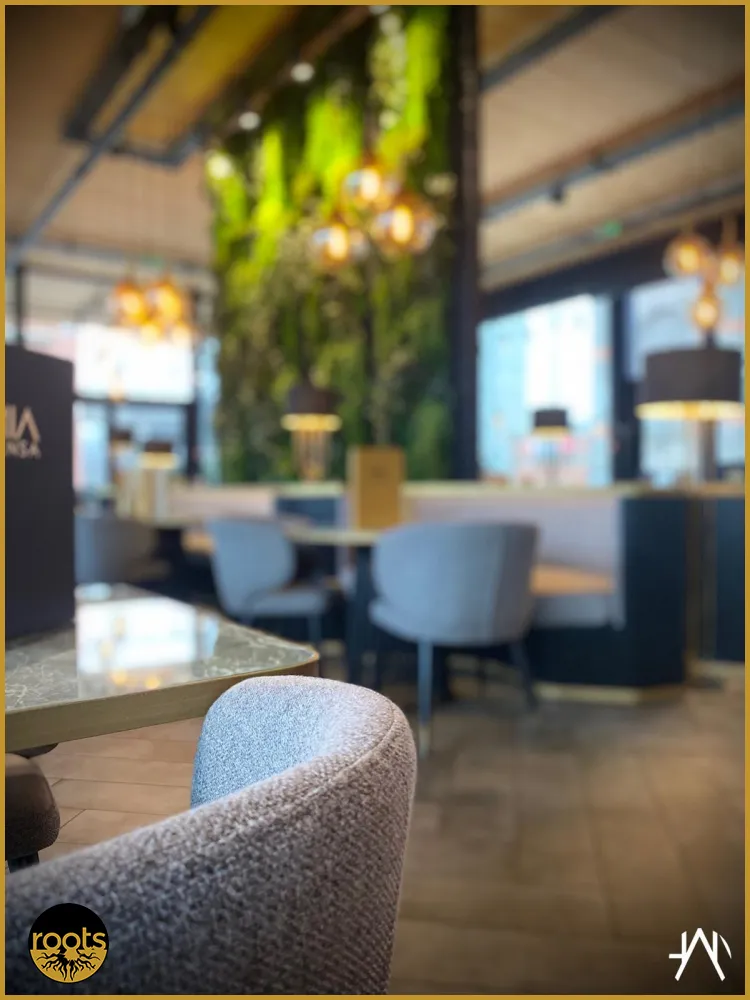
If you are a small cafe operator or someone considering opening a cafe, maximizing the potential of your space, offering your guests an unforgettable experience and creating a memorable brand identity should be your first priority. Small spaces offer the opportunity to create a unique and warm atmosphere by pushing the boundaries of creativity. This guide contains all the information that will inspire you while planning your small cafe decoration, help you create boutique cafe designs and support your decision-making process.
Why Is Small Cafe Decoration Important?
In a small cafe, decoration is not just an aesthetic choice; it is also a strategic element that directly affects the success of your business. A well-thought-out decoration:
- Enriches the customer experience and encourages repeat visits.
- Makes the space look more spacious and inviting.
- Strengthens your brand identity and sets you apart from your competitors.
- Creates a more functional workspace for your employees.
Who Is It Suitable For?
This content and the decoration ideas presented are ideal for the following groups:
- Entrepreneurs planning to open a small cafe with limited square meters.
- Operators who want to renew the atmosphere of their existing cafe.
- Anyone who wants to create a boutique and original cafe concept.
- Those who want to create maximum impact with a limited budget.
- Those designing spaces in different concepts such as a coffee shop, bistro cafe or themed cafe.
Which Needs Does It Meet?
An effective cafe design aims to meet the following basic needs:
- **Comfort and Invitingness:** Comfortable seating areas and a warm atmosphere that will encourage your guests to stay longer.
- **Functionality:** A smooth flow of movement, easy access and efficient service for both customers and staff.
- **Aesthetics and Identity:** A visually appealing space that reflects your brand's values and concept.
- **Space Optimization:** Using limited square meters in the most efficient way to both increase seating capacity and create a spacious feel.
- **Cost Effectiveness:** Producing long-lasting solutions with durable and aesthetic materials that fit your budget.
In Which Situations Should It Be Preferred?
Small cafe decoration is of great importance especially in the following situations:
- When the existing space has a narrow or irregular structure.
- When the target audience is interested in original and boutique experiences.
- When you want to stand out from competitor cafes and create a memorable brand image.
- When a more intimate and sincere customer relationship is targeted.
- When you want to increase the value of the space with more design-oriented and strategic solutions instead of large-scale investments.
Featured Small Cafe Decoration Ideas
There are many ways to make small spaces spacious and attractive. Here are some ideas to inspire you:1. Color Palette and Lighting
- Light and pastel tones (white, cream, light gray, pastel blue/green) make the space look larger.
- Natural light is your best friend. Keep the areas in front of windows clear.
- Use layered lighting: General lighting, task lighting (countertops, reading corners) and accent lighting (artworks, plants). Pendant and table lamps create a warm atmosphere.
2. Furniture Selection and Layout
- Prefer compact and multi-functional furniture. Such as folding tables, benches with storage space.
- Furniture that can be mounted on walls or has thinner legs makes the space look more spacious.
- Make use of corners. Custom-made corner benches both increase seating area and fill empty spaces.
- Plan the seating arrangement by considering the flow of movement. Avoid narrow passages.
3. Materials and Textures
- Natural materials (wood, bamboo, rattan) add warmth and naturalness.
- Mirrors make the space look larger and brighter by reflecting light.
- You can create a single accent wall with wallpapers or wall panels.
- Plants bring liveliness and freshness to the space. Vertical garden solutions are ideal for small spaces.
4. Storage Solutions
- Hide clutter by preferring closed cabinets or built-in cabinets instead of open shelves.
- You can produce both aesthetic and functional solutions with wall shelves, decorative objects and storage boxes.
- Make the best use of under-counter storage areas.
5. Decorative Elements and Details
- Use minimalist and selective accessories. Choose few but essential pieces that suit your concept.
- Add visual depth by hanging paintings, photographs or mirrors on the walls.
- Fabric choices (curtains, cushions) determine the overall texture and warmth of the space.
Comparison of Material Types
Comparing different materials in terms of durability, area of use and cost will help you make the right choices.| Material Type | Durability (General) | Interior Architecture Use | Exterior Architecture Use | Cost (General) |
|---|---|---|---|---|
| Solid Wood | High | ✓ Furniture, wall cladding, flooring | ✓ With special treatments (varnish, impregnation) | Medium - High |
| MDF/Chipboard | Medium | ✓ Furniture, panel | ✗ (Not resistant to moisture) | Low - Medium |
| Metal (Iron, Steel, Aluminium) | Very High | ✓ Furniture frames, lighting, accessories | ✓ Stainless steel, specially coated iron | Medium - High |
| Natural Stone (Marble, Granite) | High | ✓ Countertop, flooring, wall | ✓ With appropriate treatments | High |
| Ceramic/Porcelain | High | ✓ Flooring, wall, countertop | ✓ Outdoor ceramics | Low - Medium |
| Concrete (Decorative) | High | ✓ Flooring, countertop, wall | ✓ | Medium |
| Glass | Medium (Fragile) | ✓ Table tops, partitions, lighting | ✓ Tempered glass | Low - Medium |
In What Ways Does It Differ from the Alternatives?
Boutique and small cafe designs generally differentiate themselves from large chains. These differences are:
- Originality and Personalisation: Designing each space with its own unique story.
- Detail Focus: Carefully selecting every element, from furniture to decorative objects.
- Emphasis on Customer Experience: The aim of offering not just coffee, but also a living space.
- Local Touches: Works by regional artists or inspiration from local crafts.
- Smart Use of Space: Creative solutions that make narrow spaces more functional.
What Should Be Considered Before Purchasing?
When choosing the products to be used in cafe decoration or working with an interior architect, it is important to pay attention to the following points:- Size and Structure of the Space: Check whether each product to be selected fits the space.
- Budget Planning: Avoid unnecessary expenses by creating a detailed budget.
- Durability and Ease of Maintenance: Choose materials suitable for intensive use and easy to clean.
- Concept Consistency: All selected elements should be compatible with your brand's identity and concept.
- Lighting Needs: Provide sufficient lighting for both the general illumination of the space and its focal points.
- Ergonomics and Comfort: Details such as the comfort of seating groups and table heights increase customer satisfaction.
- Customer Flow: Create a layout that allows customers and staff to move comfortably.
- Regulations and Safety: Do not overlook legal requirements such as fire safety and accessibility.
Frequently Asked Questions
Answer: In small spaces, light and neutral colors (white, cream, beige, light gray, pastel tones) are generally preferred. These colors make the space look brighter and more spacious. However, in line with the concept, it is also possible to add character to the space by making accents with bold colors in certain areas. For example, painting one wall a dark color or using accessories in vivid colors.
Answer: Folding or wall-mounted tables, corner benches, multifunctional modular seating groups and chairs are ideal for small spaces. In addition, adding storage drawers under the seating area both saves space and increases functionality. Furniture with thin legs or wall-mounted furniture makes the floor more visible and makes the space look more spacious.
Answer: Lighting is one of the most important elements that determine the atmosphere of small spaces. Both general lighting (ceiling lights) and task lighting (countertop, reading areas) should be used. A cozy atmosphere can be created by choosing warm light tones. Pendant lights, table lamps and wall sconces play both a functional and a decorative role. Mirrors also increase the effectiveness of lighting and make the space look brighter.
Boutique cafe designs can make a big difference even in small spaces. With the right planning, creative ideas and carefully selected details, you can establish a memorable and profitable business that will delight your guests. See every corner of your space as a potential design element and offer your visitors an unforgettable experience.











































































