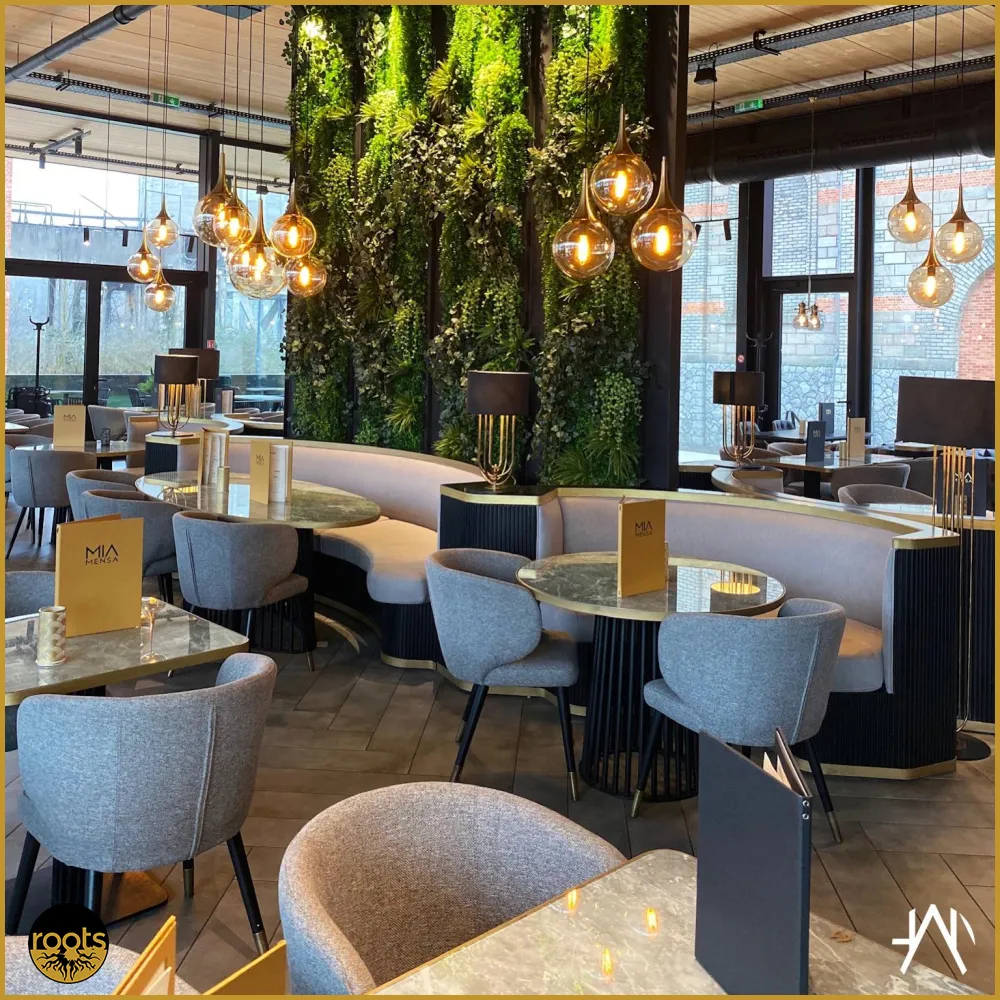
Small cafe decoration ideas - Boutique cafe designs
Running a small cafe comes with its own unique challenges and fascinating opportunities. Regardless of the size of the space, creating an impressive and unforgettable atmosphere forms the foundation of customer loyalty and brand value. Boutique cafe designs aim to offer visitors a unique experience by turning these small spaces into veritable jewels. In this comprehensive guide, we will focus on what to consider in small cafe decoration, popular design trends, and how you can make your space more functional and aesthetic.
Why Is Decoration Important for a Small Cafe?
The decoration of a small space does not only pursue aesthetic concerns, but also meets the following basic needs:
- First Impression: The first moment customers step into the space determines their overall perception. An original and inviting decoration leaves a positive first impression.
- Customer Experience: A comfortable seating area, a pleasant ambience and aesthetic elements ensure that customers stay longer and have a pleasant time.
- Brand Identity: Decoration should reflect your brand's personality, style and values. For a boutique cafe, this becomes even more important.
- Space Usage: In small areas, decorative elements also offer functional solutions, helping the space to be used more efficiently.
Who Is It Suitable For?
These decoration ideas and design approaches are primarily ideal for the following groups:
- Entrepreneurs Opening a New Cafe: Those who may have a limited budget but want to give their space an original identity.
- Those Who Want to Renovate Their Existing Cafe: Cafe owners who want to modernize the atmosphere of their space, expand their customer base or improve the existing customer experience.
- Boutique and Concept Cafes: Businesses that are shaped around a specific theme or style and want to move away from the ordinary.
- Those Who Own a Business in Small Spaces: Cafes, bistros and small food and beverage venues that want to make the best use of limited square meters.
What Are Its Differences from Alternatives?
Boutique cafe designs and decoration strategies for small spaces differ from general cafe decoration approaches in the following ways:
- Originality and Personalization: Instead of standard designs, details that are specific to the space and brand and that touch the person are at the forefront.
- Space Optimization: The focus is on using every square centimeter efficiently. Multifunctional furniture, smart storage solutions and vertical space usage are priorities.
- Intimate and Inviting Atmosphere: Unlike large and commercial spaces, a more intimate, warm and "home-like" feeling is created.
- Detail Orientation: Fine details such as lighting, textiles, artistic touches and accessory choices play a key role in determining the overall character of the space.
What to Consider in Small Cafe Decoration
When designing a small cafe, attention should be paid to the following points so that the space is flawless both functionally and aesthetically:
- Color Palette Selection: Light and pastel tones make the space look larger. Wood tones add warmth and naturalness. Contrast colors can be used to create accent points.
- Lighting Design: It is important to make maximum use of natural light. In addition, the ambience can be enriched with warm-toned spotlights and pendant lamps. Decorative lighting elements add character to the space.
- Furniture Selection and Layout: Furniture suitable for the size of the space should be preferred. Multifunctional and modular furniture saves space. Corner seating and wall-mountable tables are also ideal options. In the seating arrangement, gaps should be left so that guests can move comfortably.
- Floor and Wall Coverings: Light-colored parquet, ceramic or natural stone-look floors make the space feel airy. A sense of depth can be created by using mirrors on the walls. Stone, brick or wood-textured wall panels can add character and warmth to the space.
- Storage Solutions: Smart storage areas should be created for service materials, staff belongings and decorative objects. Wall shelves, cabinets and under-counter storage units help with this.
- Use of Plants: Live plants add freshness and life to the space. When choosing pots, those suitable for the general style of the space should be preferred.
- Visual Focal Points: A visual focal point can be created in an eye-catching corner of the space with a work of art, a special lighting element or an interesting wall decoration.
What to Consider in Material Selection
The durability, cleanliness and aesthetic appearance of the materials used in cafe decoration are of great importance. You can find the prominent features of different material types in the table below:
| Material Type | Durability | Interior/Exterior Architectural Use | Cost | Features |
|---|---|---|---|---|
| Wood | Medium - High (depending on application and type) | Ideal for interior architecture, specially treated products are required for outdoor spaces. | Medium - High | Natural, warm, aesthetic, adapts to rustic and modern styles. May require maintenance over time. |
| Metal (Iron, Steel, Aluminum) | High | Suitable for both interior and exterior architecture. | Medium - High | Used in industrial, modern and minimalist designs. Durable and long-lasting. |
| Natural Stone (Marble, Granite, etc.) | High | Can be used in interior and exterior spaces. | High | Offers a luxurious, elegant and prestigious look. Its weight and processing can be difficult. |
| Ceramic and Porcelain | High | Can be used in interior and exterior spaces. | Low - Medium | Offers various color, pattern and texture options. Easy to clean and stain-resistant. Durable. |
| Concrete and Micro Concrete | High | Can be used in interior and exterior spaces. | Medium | Suitable for modern, industrial and minimalist styles. Should be combined with other materials to provide a sense of warmth and comfort. |
| Glass (Decorative, Frosted, etc.) | Medium | Mainly used in interior architecture. | Medium | Adds spaciousness, light and modernity to the space. Can be in different patterns and colors. Attention should be paid to the risk of fragility. |
Prominent Elements in Boutique Cafe Design
Boutique cafe designs aim to take the space out of the ordinary and give it a special identity. In this direction, some prominent elements are as follows:
- Thematic Approach: Design elements shaped around a specific theme (vintage, bohemian, industrial, nature-themed, etc.).
- Artistic Touches: Works by local artists, original wall paintings or handmade decorative objects.
- Retro and Vintage Influences: A warm atmosphere with antique furniture, worn textures and nostalgic elements.
- Green Space Integration: Vertical gardens, plant walls or abundant use of plants in interior spaces.
- Original Lighting Solutions: Handmade lampshades, industrial-style pendants or decorative light chains.
- Personalized Menu Boards and Signs: Menu and directional signs prepared with handwriting or original designs.
Frequently Asked Questions
Question: What should I pay attention to when choosing furniture for a small cafe?
Answer: In small spaces, the priority should be space-saving and multifunctional furniture. Folding or wall-mounted tables, seating groups that utilize corners, and chairs with thin legs that look light can be preferred. Additionally, furniture that offers storage space (for example, models with under-counter cabinets) increases functionality.
Question: How important is color choice in a small cafe?
Answer: Color choice greatly affects the perception of a small space. Light and neutral colors (white, cream, beige, pastel tones) make the space look more spacious and larger. While wood tones add warmth, you can add an energetic touch by using vivid colors at accent points. However, using too many vivid colors can overwhelm the space.
Question: Why is lighting so critical for a small cafe?
Answer: In small spaces, lighting not only provides light but also determines the atmosphere and makes the space more inviting. Natural light should be utilized in the best way possible, and then different light layers should be created with pendants, wall sconces or table lamps in warm tones suitable for the ambiance. Spot lighting can be used to highlight displayed objects or decorative elements.
Question: Which materials in decoration can make a small space look more spacious?
Answer: Materials with light-colored and glossy surfaces make the space look more spacious by reflecting light. White or light-colored ceramic tiles, glossy lacquered cabinets, polished concrete floors or mirrors help create this effect. Light tones of natural wood also add warmth and support the feeling of spaciousness.
Question: How should I reflect my brand identity when designing a boutique cafe?
Answer: To reflect your brand identity, you must first understand your brand's core values, your target audience and the type of product/service you offer. Accordingly, your color palette, the style of the furniture you will use, your wall decoration, and even your staff's clothing should be in harmony with your brand. You can strengthen your brand identity with unique logos, specially designed menus or storytelling specific to your space.
Creating a boutique design for a small cafe is a combination of creativity and careful planning. By evaluating every corner of the space in terms of functionality and aesthetics, you can create an area that will give your guests unforgettable moments and make them want to visit again and again. Remember, the biggest impacts sometimes arise from the smallest details.











































































