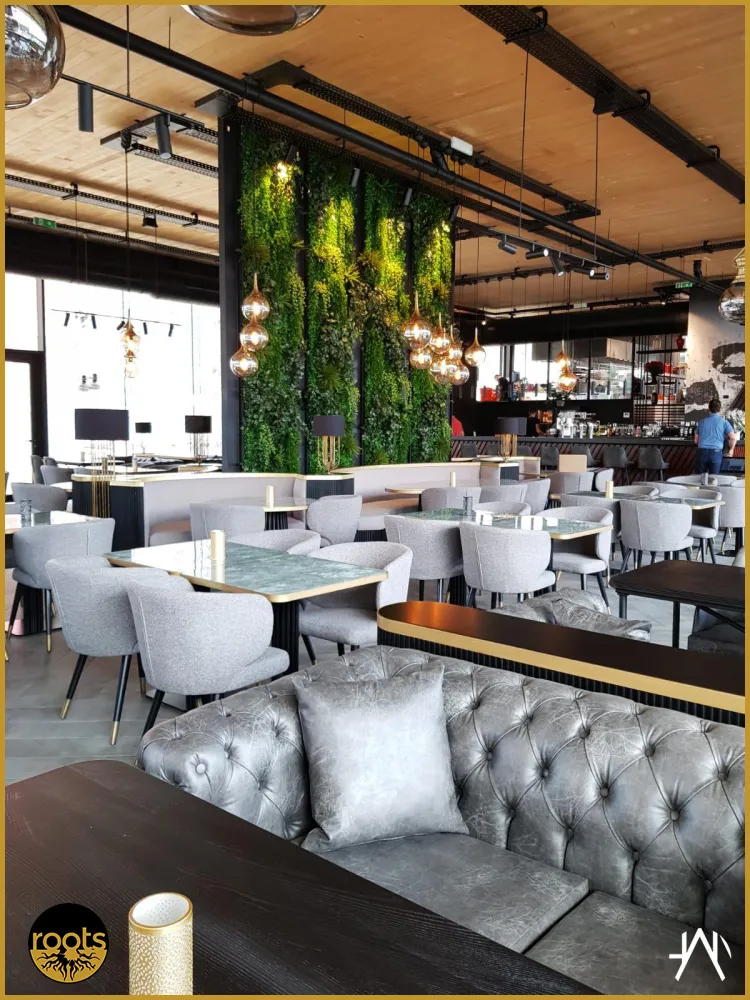
Creating a Big Impact in a Small Space: Basic Decoration Principles
Although a small cafe area has limited square meters, it can be transformed into an extremely inviting, functional and unforgettable space with the right decoration strategies. The goal is to make the space look larger than it is, offer a comfortable atmosphere and reflect your brand's identity. A boutique cafe design requires meticulous work hidden in small details.
Ways to Make the Space Look Larger
- Light Color Palettes: Light and neutral tones (beige, cream, light gray, pastel tones) preferred on walls, ceilings and large furniture reflect light better and make the space look more spacious.
- Strategic Use of Mirrors: Properly placed mirrors increase the depth of the space and create a perception of greater width by distributing light.
- Focusing on Vertical Elements: Vertical details such as high ceilings or tall shelves help the space be perceived as longer by carrying the eye upward.
- Minimalist Approach: Using simple and refined furniture that is not overly crowded increases movement space and supports the feeling of spaciousness.
- Glass and Transparent Materials: Transparent table tops or chairs take up less visual space and keep the space more open.
How to Create a Boutique Cafe Atmosphere?
- Unique Theme and Concept: Determining a story or theme specific to your space makes the decoration more meaningful. This can be a retro, industrial, bohemian, minimalist or nature-inspired theme.
- Personal Touches: Handmade objects, works by local artists, nostalgic objects or personal collections strengthen the character of the cafe.
- Comfortable and Inviting Seating Areas: Offering different seating options (bar stools, comfortable armchairs, two-person tables) makes guests feel special.
- Original Lighting: Lighting that creates warmth and ambiance (chandeliers, pendants, table lamps) increases the warmth and character of the space.
- Plants and Natural Elements: Green plants, wood details and natural materials add liveliness and a peaceful atmosphere to the space.
Who Is It Suitable For? Which Needs Does It Meet?
Small cafe decoration ideas - Boutique cafe designs are ideal especially for business owners who want to appeal to specific target audiences and aim to offer a unique experience. These approaches;
- Entrepreneurs and New Cafe Openers: Those who want to create a striking space even with a limited budget and area.
- Those Who Want to Renew Their Existing Cafe: Those who want to make their old and ordinary space more modern, attractive and customer-focused.
- Those Appealing to Niche Markets: Those who focus on a specific concept (for example, book cafe, art cafe, vegan cafe) and want to create an atmosphere suitable for this concept.
- Those Who Prioritize Customer Experience: Those who aim to offer not only coffee but also a relaxing, inspiring and social experience.
These decorations also meet customers' needs for:
- Spending Time in a Comfortable and Peaceful Environment
- Finding the Option to Make Social Connections or Be Alone
- Having an Aesthetically Satisfying Experience
- Enjoying the Space Itself Alongside Quality Products
needs.
In Which Situations Should It Be Preferred? What Is Its Difference from Alternatives?
Small cafe decorations and boutique designs stand out especially in the following situations:
- When Maximum Space Utilization Is Required: In narrow or unusually shaped spaces, using every square centimeter efficiently is essential.
- When Brand Identity Needs Strong Emphasis: Boutique designs directly reflect the cafe's personality and story.
- When Differentiation in Competitive Markets Is Desired: It is ideal for setting apart from ordinary chain cafes and offering customers a custom and memorable experience.
- When an Intimate and Close Atmosphere Is Desired: Instead of large and flashy spaces, the goal is to create a warmer and more personal meeting point.
Differences from Alternatives:
- Large Chain Cafes: While they generally have standardized, mass-production-oriented designs, boutique designs offer originality and personality.
- Large-Area, Non-Concept Spaces: In contrast to designs that prioritize functionality but may move away from aesthetics, boutique cafes offer both aesthetics and functionality together.
- Minimalist But Soulless Spaces: Instead of spaces that focus only on simplicity and lose their character, boutique designs add warmth and intimacy.
Types and Features of Materials Used in Decoration
The choice of materials used in cafe decoration directly affects the overall appearance, durability, maintenance and cost of the space. In small and boutique spaces, material selection plays a key role in creating the atmosphere.
| Material Type | Durability | Interior/Exterior Architectural Use | Cost (Estimated) | Features and Areas of Use |
|---|---|---|---|---|
| Wood | Medium - High (Depending on type and processing) | Interior and Partially Exterior (Sheltered Areas) | Medium - High | Creates a warm and natural atmosphere. Can be used for counters, tables, chairs, wall coverings and floors. May require maintenance. |
| Metal (Iron, Steel, Aluminum) | High | Interior and Exterior | Medium - High | Ideal for industrial, modern and rustic designs. Used for table legs, chair frames, lighting elements, shelving systems and bar units. |
| Concrete and Materials with Raw Concrete Appearance | High | Interior and Exterior | Medium | Popular in industrial and modern designs. Used for wall coverings, floors, counters and table tops. It can give a cold feeling, so it should be balanced with warm touches. |
| Brick (Real or Cladding) | High | Interior and Exterior | Medium | Suitable for rustic, industrial and vintage styles. Adds a distinct texture and character to walls. Ease of cleaning is an advantage. |
| Ceramic and Porcelain Tiles | High | Interior and Exterior | Low - Medium | Durable and hygienic for floor and wall coverings. Available in a wide variety of patterns, colors and textures. Frequently used in areas such as kitchen backsplashes and bar fronts. |
| Glass and Mirror | Medium (Fragility) | Interior | Medium | Makes the space feel airy and adds depth. Used for table tops, display cases, shelves and decorative panels. Mirrors should be placed strategically to reflect light. |
| Natural Stone (Marble, Granite, etc.) | High | Interior and Partially Exterior | High | Provides a luxurious and prestigious appearance. Used for counters, table tops and bar surfaces. Requires attention in terms of maintenance and cost. |
Things to Consider Before Purchasing
When decorating a cafe or updating your existing space, there are some important points that will make your decision-making process easier and help you avoid potential mistakes:
- Size and Layout of the Space: The dimensions of furniture and decorative elements should suit the physical limits of the space. In narrow areas, folding or multi-functional furniture can be preferred.
- Your Target Audience: Remember who your design appeals to. If it is aimed at young people, more energetic colors and trends; if it is aimed at business people, a calmer and more professional atmosphere can be considered.
- Your Budget: Make a detailed budget plan. Determine furniture, lighting, flooring, wall coverings, accessories and labor costs in advance.
- Functionality and Usability: In addition to decorative elements, pay attention to the ease of use and cleanliness of the space. Choosing materials resistant to heavy use provides an advantage in the long term.
- Lighting Plan: It is critical to make the best use of daylight and to plan artificial lighting that creates ambiance for the evening hours. The correct use of lighting greatly changes the perception of the space.
- Brand Identity: The colors, materials and overall style you choose should be compatible with your brand identity and the products you offer. Achieving consistency increases memorability.
- Ergonomics: Pay attention to ergonomic details such as table heights, chair comfort and seating arrangement that will make customers comfortable.
Frequently Asked Questions
- Mirrors: In addition to making the space look larger, they add a stylish touch.
- Artworks: Using paintings, photographs or graphic designs by local artists gives the space originality.
- Shelves: Shelves displaying books, plants, decorative objects or products are both aesthetic and functional.
- Wallpapers: Patterned or textured wallpapers can add depth to the space by creating an accent on a single wall.
- Green Walls (Vertical Garden): Vertical gardens created with live plants add freshness and a natural look to the space.
- Theme-Appropriate Objects: Nostalgic objects, records, old bicycles or vintage posters related to the concept you choose can be used.











































































