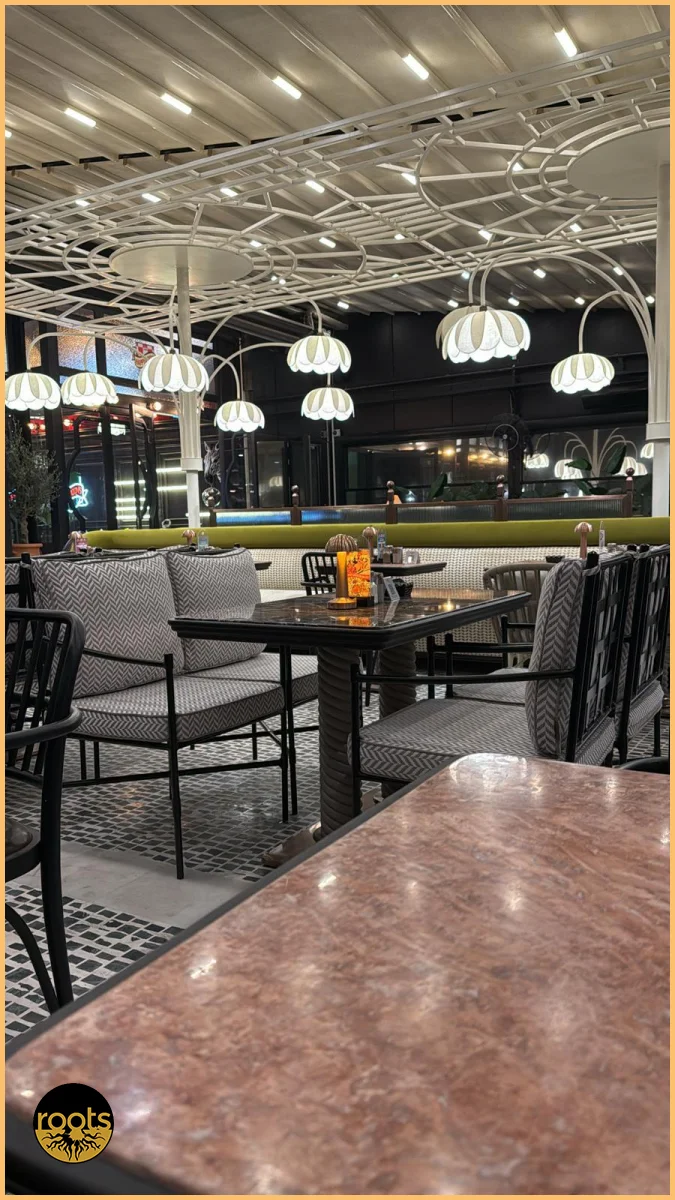
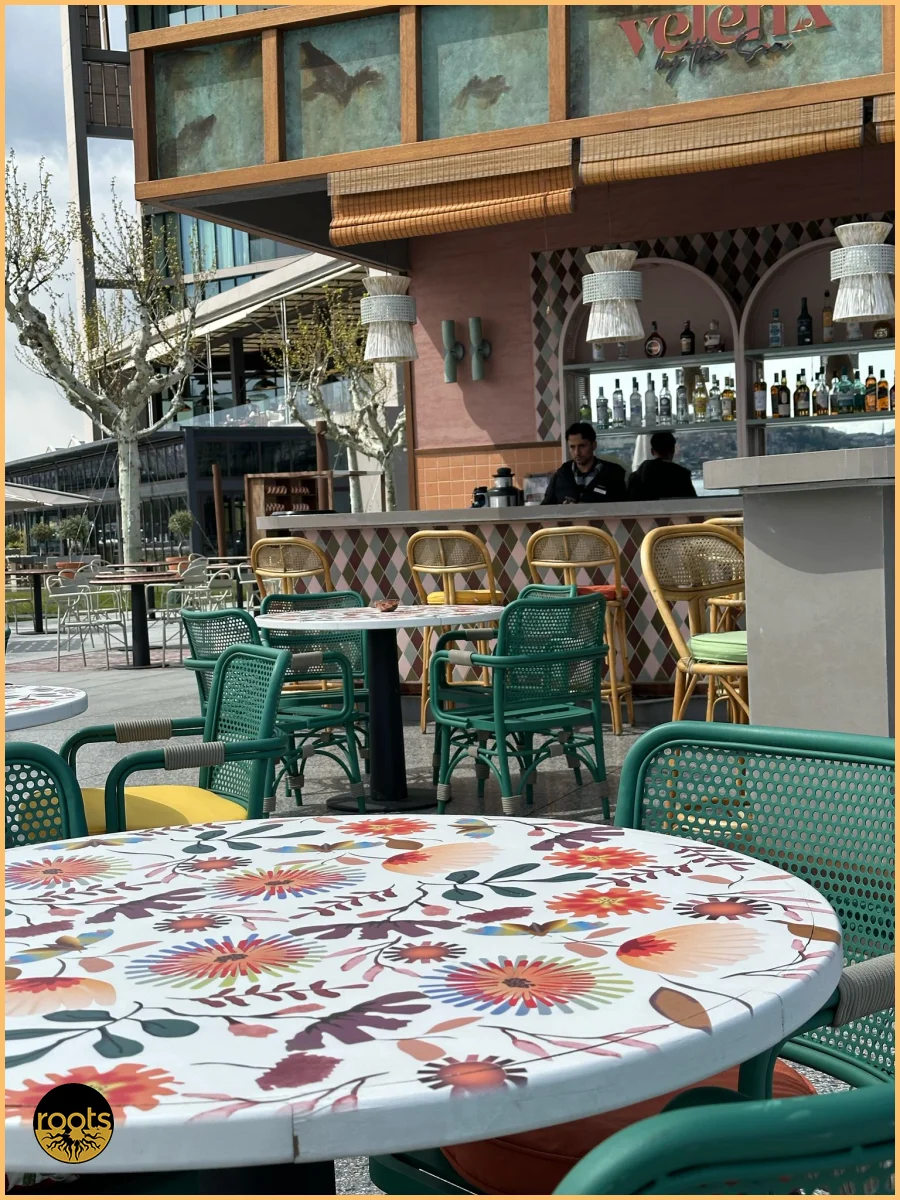
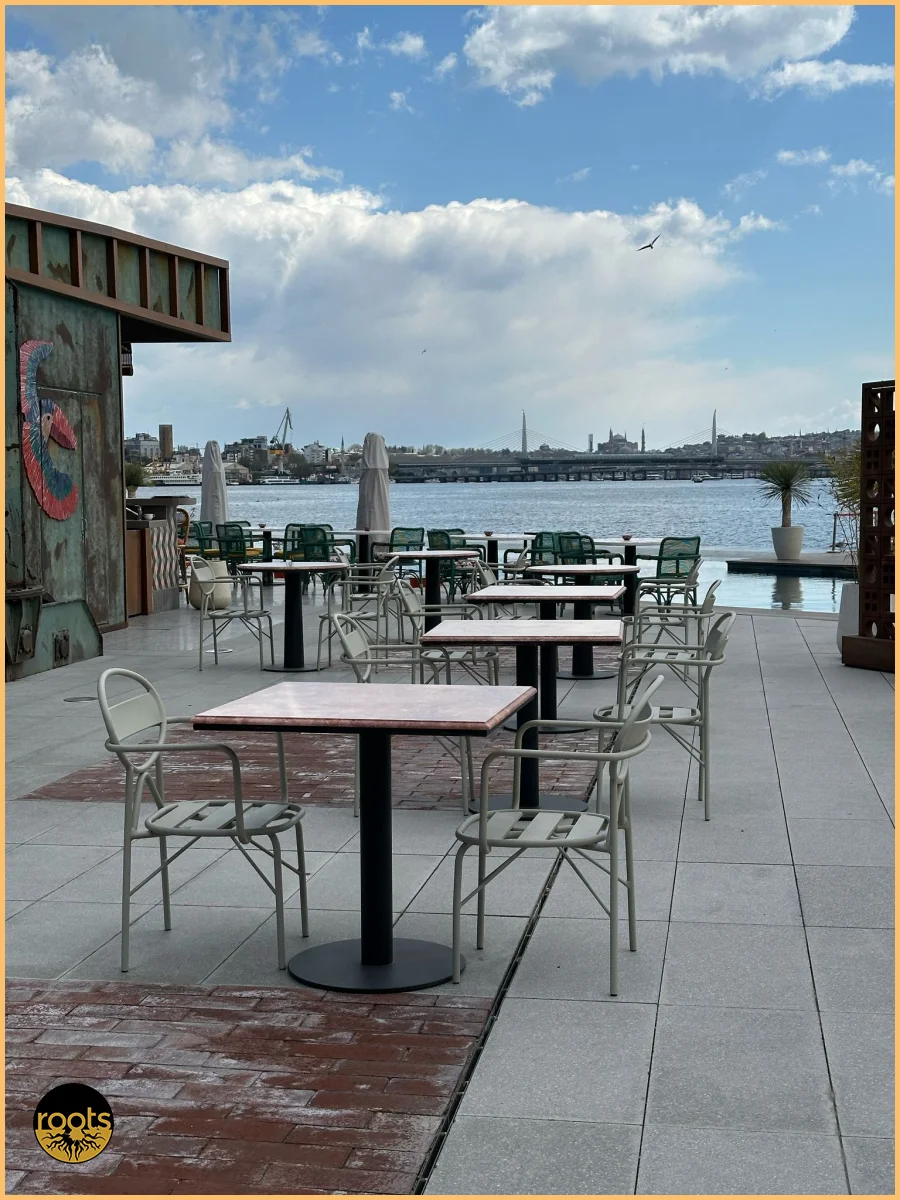
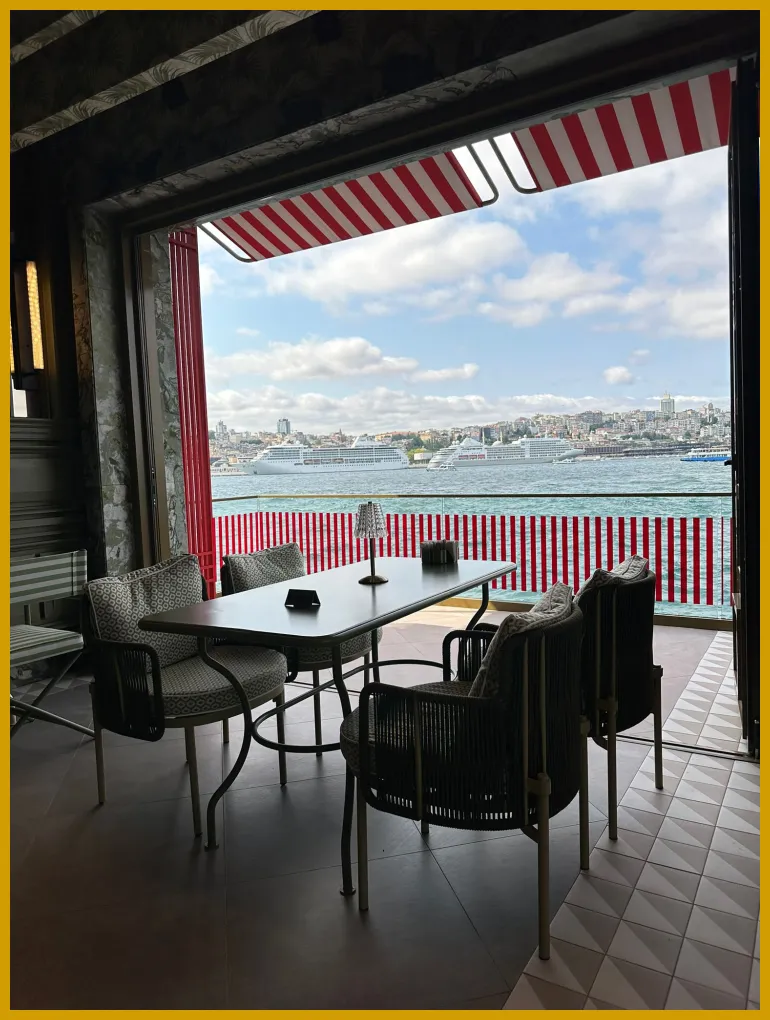
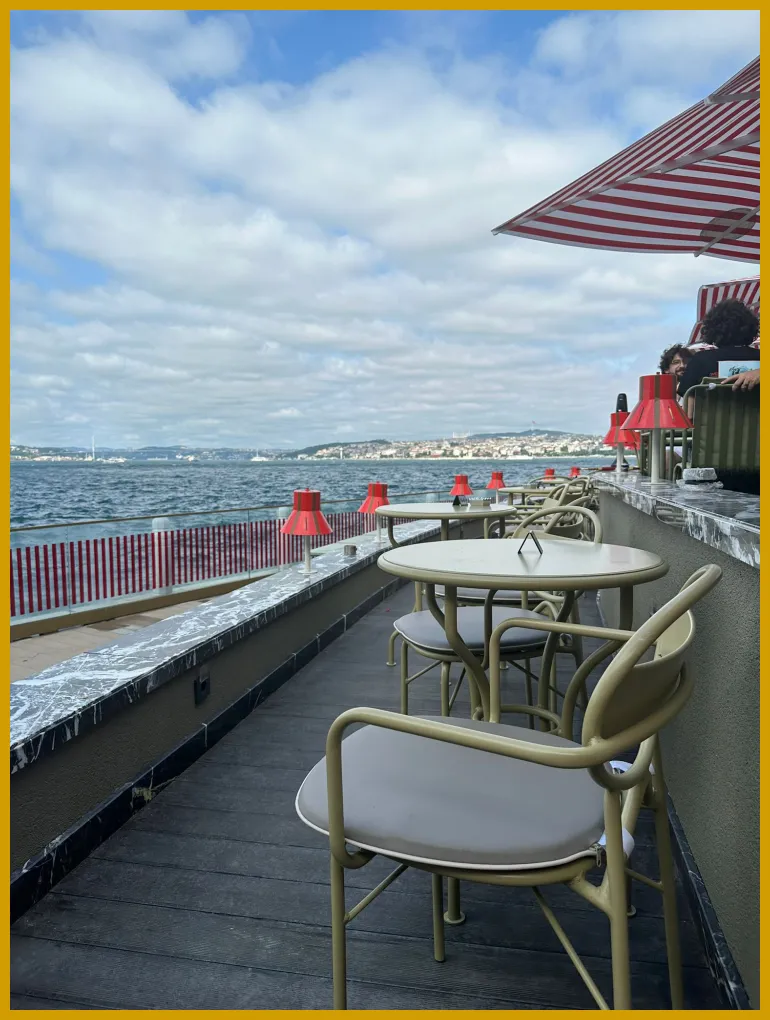
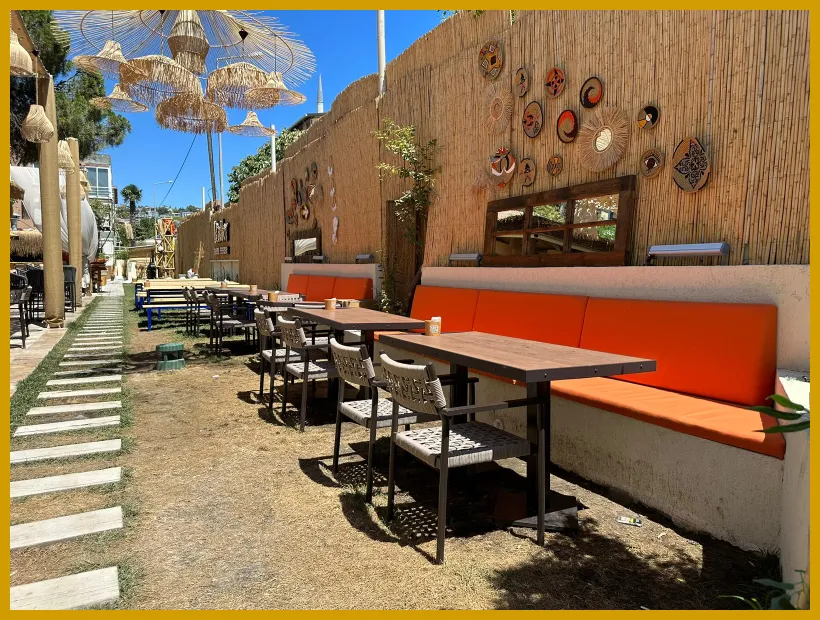
A Comprehensive Look at Cafe Restaurant Furniture Selection
Atmosphere and comfort play a critical role in the success of a cafe or restaurant. One of the most important elements that creates this atmosphere is undoubtedly cafe restaurant furniture. Choosing the right furniture that reflects the identity of your venue, offers your customers a pleasant experience and maintains its durability for many years directly affects the prestige and profitability of your business.
What Is Cafe Restaurant Furniture and What Does It Do?
Cafe restaurant furniture is a wide product range covering all seating and storage units such as tables, chairs, armchairs, bar stools, benches, service units and decorative accessories used in cafes, restaurants, bars, bistros, patisseries and similar food and beverage venues. The main function of this furniture is to enrich the dining experience by offering customers a comfortable and functional space.
- Customer Comfort: Ergonomic designs allow your customers to sit comfortably for long periods.
- Creating Atmosphere: Choosing furniture that suits the overall concept of the venue reinforces your brand identity and creates the desired atmosphere.
- Functionality: Table sizes, seating arrangements and service areas increase operational efficiency.
- Durability: Furniture produced from materials suitable for intensive use reduces operating costs.
- Aesthetic Value: Stylish and aesthetic furniture increases the visual appeal of the venue.
Who Is It Suitable For and What Needs Does It Meet?
Cafe restaurant furniture is primarily suitable for entrepreneurs planning to open a new cafe or restaurant, business owners who want to renovate their existing venues, and interior architects carrying out decoration projects for such venues. This furniture meets the following basic needs:
- Seating Area Need: Creating areas where customers can sit, eat their meals or rest.
- Service and Presentation Areas: Tables and counters where meals will be served and drinks prepared and presented.
- Social Interaction Areas: Creating environments where people can come together, chat and socialize.
- Spatial Efficiency: Solutions that ensure the best use of space and allow for different seating arrangements.
- Brand Identity and Image: Creating an image that suits the vision of the business and its target audience.
In Which Situations Should It Be Preferred?
CAFE RESTAURANT FURNITURE is a fundamental need, especially for the following situations:
- When Establishing a New Business: During the initial setup phase of the venue, the basic furniture suitable for your concept must be procured.
- After Venue Renovation or Refurbishment: For furniture that needs to be replaced due to aging, wear and tear, or a concept change.
- To Increase the Comfort and Aesthetics of the Existing Venue: In order to raise customer satisfaction and return rates.
- For Different Concepts: Furniture specially designed for different concepts such as fast-service restaurants, luxury dining venues, cozy cafe environments, and thematic bars.
- When Outdoor Use Is Required: Weather-resistant outdoor furniture for businesses serving in gardens, terraces, or on sidewalks.
Material Types: Durability, Area of Use, and Cost Comparison
The material types used in CAFE RESTAURANT FURNITURE production directly affect the product's durability, maintenance requirements, aesthetic appearance, and cost. When making a selection, the usage intensity of your venue, whether it is indoor or outdoor, and your budget should be taken into consideration.
| Material Type | Durability | Interior Architectural Use | Exterior Architectural Use | Overall Cost |
|---|---|---|---|---|
| Solid Wood (Oak, Walnut, etc.) | High (With proper maintenance) | Very Suitable | Limited (Requires special coating and maintenance) | Medium - High |
| Metal (Iron, Aluminum, Stainless Steel) | Very High | Suitable | Very Suitable (Stainless coated ones) | Medium |
| Plastic / Polypropylene | Medium - High (Varies by quality) | Suitable | Very Suitable (UV protected ones) | Low - Medium |
| Synthetic Rattan / Wicker | High | Suitable | Very Suitable | Medium |
| Fabric / Upholstery (Velvet, Leather, Linen, etc.) | Medium - High (Depends on quality and workmanship) | Very Suitable | Not Suitable (Except special outdoor fabrics) | Medium - High |
In What Ways Does It Differ from Its Alternatives?
Cafe restaurant furniture has some fundamental features that differentiate it from home furniture or office furniture:
- Heavy-Duty Durability: While home furniture is generally designed for less intensive use, cafe restaurant furniture must be more resistant to continuous use, frequent repositioning and cleaning.
- Safety Standards: For customer safety, attention is paid to specific weight-bearing capacities and the absence of sharp edges.
- Aesthetic and Concept Harmony: While home furniture is chosen according to personal taste, restaurant furniture must be compatible with the venue's overall concept and brand identity.
- Ease of Maintenance: For fast and effective cleaning, surfaces that do not hold stains and are easy to wipe are preferred.
- Combinability: The ability to offer a variety of seating solutions together that can appeal to different customer groups and needs (individuals, couples, groups).
What Should Be Considered Before Purchasing?
Choosing the right cafe restaurant furniture is an important investment in your business's future. Therefore, you should pay attention to the following points:
The Venue's Concept and Style:
- The furniture you choose must be compatible with your venue's overall decoration style. Modern, classic, rustic or industrial? The answers to these questions will guide your furniture selection.
Durability and Material Quality:
- Especially in heavily used areas, materials resistant to scratches, impacts and wear should be preferred. Materials such as metal frames, quality wood or high-density polypropylene are ideal.
Comfort and Ergonomics:
- Choosing ergonomic designs that allow your customers to be comfortable for long periods will encourage them to return to the venue. Details such as the seat depth of chairs, back support and table heights are important.
Size and Space Planning:
- Choosing furniture in sizes suited to the size and shape of the venue ensures efficient use of the space. Passage areas should be left where customers can move comfortably.
Ease of Maintenance and Cleaning:
- Cleaning is of critical importance in a restaurant environment. Materials that do not hold stains, are easy to wipe and require practical maintenance save time.
Budget and Cost-Benefit Analysis:
- Remember that the cheapest option is not always the best. Quality and durable furniture is more economical in the long run. Obtaining price quotes from different suppliers and reviewing warranty terms will be beneficial.
Supplier Reliability and Service:
- Research the reliability of the company you will purchase furniture from, along with product quality, delivery time and after-sales services.
Customer Traffic and Intended Use:
- In places with faster turnover such as cafes, more practical and durable models may come to the fore; in restaurants with longer seating periods, more comfortable and stylish designs may stand out.