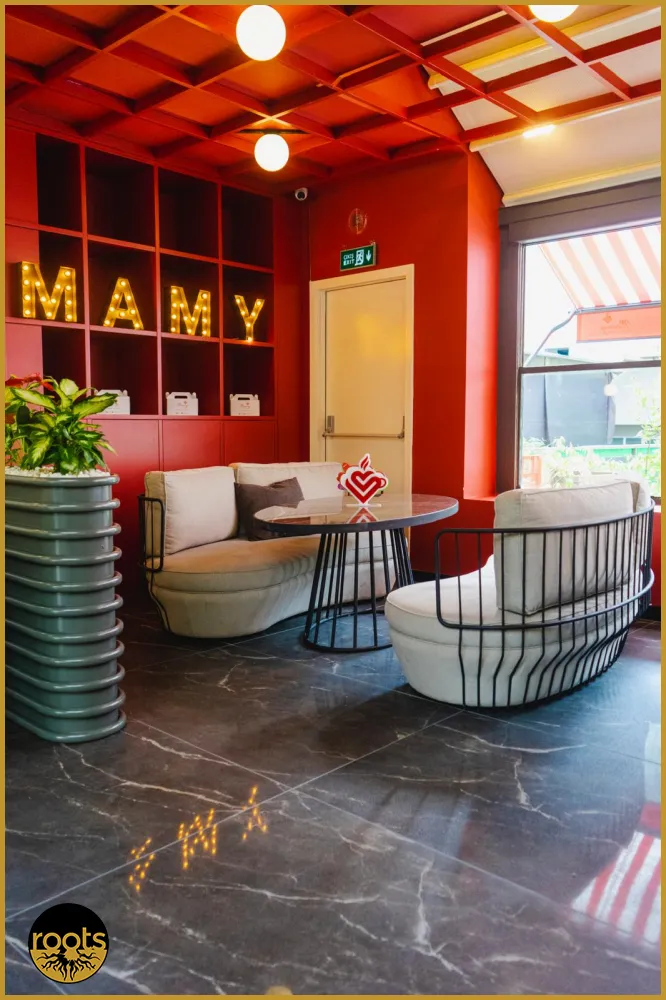
Cafe and Restaurant Interior Projects: Create the Perfect Atmosphere
In the success of a cafe or restaurant, the atmosphere plays a critical role as well as the flavors offered. An interior design that draws your customers in, makes them comfortable and keeps them staying longer should reflect the identity of your business and elevate your brand value. Cafe and restaurant interior projects are a comprehensive process that brings together many elements such as functionality, customer experience and operational efficiency, beyond a mere aesthetic concern.
What Do Interior Projects Do?
Cafe and restaurant interior projects:
- Improve Customer Experience: Comfortable seating areas, correct lighting, memorable decorations and functional space arrangements ensure that your guests have an enjoyable time.
- Strengthen Brand Identity: The style of the venue, color palette, materials used and decorative elements should be compatible with your business's target audience and the concept it offers.
- Increase Operational Efficiency: Optimizing the kitchen layout, service areas, customer flow and staff working areas helps operational processes progress more smoothly and quickly.
- Make the Venue Functional: The potential of the venue is maximized by considering elements such as seating arrangements that appeal to different customer groups (single guests, couples, groups), private areas and accessibility.
- Optimize Rent and Investment Costs: With correct planning, every square centimeter of the venue is used efficiently, preventing unnecessary space losses and accelerating the return on investment.
Who Is It Suitable For?
Cafe and restaurant interior projects are valuable for business owners of every scale:
- New Businesses to Open: Entrepreneurs who want to create a concept from scratch.
- Those Who Want to Renovate Their Existing Businesses: Those who want to update their atmosphere, increase customer satisfaction or solve operational problems.
- Those Who Want to Make a Concept Change: Businesses that want to reach a different theme or target audience.
- Investors: Those who want to make the most of valuable real estate investments.
Which Needs Does It Meet?
These projects mainly meet the following needs:
- Aesthetics and Visual Appeal: A design that positively affects customers' first impression.
- Comfort and Convenience: Spacious and ergonomic areas where customers can spend a long time.
- Functionality and Usability: A layout that provides ease of use for both customers and staff.
- Brand Consistency: A venue that overlaps with the business's concept and offers an unforgettable experience.
- Customer Loyalty: Increasing the likelihood that customers who have had a positive experience will come again.
In Which Situations Should It Be Preferred?
A professional interior project should be considered in the following situations:
- Your existing venue is outdated or has lost its appeal.
- A decline in customer satisfaction is experienced or feedback is negative.
- Problems are experienced in the operational efficiency of your business (for example, slow service, complicated customer flow).
- A desire to reach a new concept or target audience.
- The need to increase your competitive power against rival businesses.
- The usage areas of the venue have not been sufficiently optimized.
In Which Aspects Does It Differ from Alternatives?
Unlike a simple decoration approach you would do yourself, professional cafe and restaurant interior projects offer the following:
- Comprehensive Planning: A holistic approach that includes not only aesthetics but also the principles of architecture, engineering and human psychology.
- Expertise and Experience: Minimizing risks with the knowledge and experience of industry professionals.
- Functional Details: Combining technical details such as lighting, acoustics, ventilation and material selection with functionality and aesthetics.
- Cost Optimization: Managing the budget in the best way with correct material selection and efficient space use.
- Technical Drawings and Project Design: Clear, understandable and standards-compliant projects for construction and implementation processes.
Things to Consider in Material Selection
Choosing the right materials that will reflect the spirit of your venue is important in terms of longevity and aesthetics. The prominent features of different material types are as follows:
| Material Type | Durability | Interior/Exterior Architectural Use | Cost (Average) |
|---|---|---|---|
| Wood (Natural/MDF/Laminate) | Medium - High (increases with varnish and maintenance) | Generally interior, special exterior applications available. | Medium - High |
| Natural Stone (Marble, Granite, Travertine) | Very High | Both interior and exterior. | High |
| Ceramic and Porcelain Tiles | High | Both interior and exterior (slip resistance is important). | Low - Medium |
| Metal (Stainless Steel, Iron) | Very High | Both interior and exterior (protection against corrosion is important). | Medium - High |
| Concrete and Materials with Exposed Concrete Appearance | High | Both interior and exterior. | Low - Medium |
| Glass (Tempered, Laminated) | Medium - High (varies depending on the place of use) | Both interior and exterior. | Medium |
| Textile Products (Fabric, Leather, Faux Leather) | Medium (depends on use and maintenance) | Generally interior. | Low - High |
What Should Be Considered Before Purchasing?
Before deciding to have a cafe or restaurant interior project done, it is important to consider the following points:
- Budget Determination: Create a realistic budget covering all items of the project (design, materials, application, furniture, lighting, etc.).
- Target Audience Analysis: Determine who your venue will appeal to. This will form the basis of the design and material selection.
- Clarifying the Concept: Clarify the message your business wants to convey and the atmosphere you want to create.
- Venue Survey and Measurement: The current condition, architectural features and potential of the venue should be examined in detail.
- Designer/Company Selection: Work with a team that has strong references, is experienced and can communicate well with you. Examining their portfolios is important.
- Functionality Priority: Make sure that functional elements such as the use of the venue, customer flow and staff working areas are given importance as much as aesthetics.
- Material and Furniture Selection: Consider factors such as durability, ease of cleaning, safety (slip resistance, etc.) and comfort.
- Lighting Planning: Lighting, which determines the ambience of the venue, should be both functional and aesthetic.
- Acoustic Arrangements: Proper reflection or absorption of sound is important for a comfortable environment.
- Legal Permits and Regulations: Make sure that the necessary legal permits are obtained for construction and renovation processes.











































































