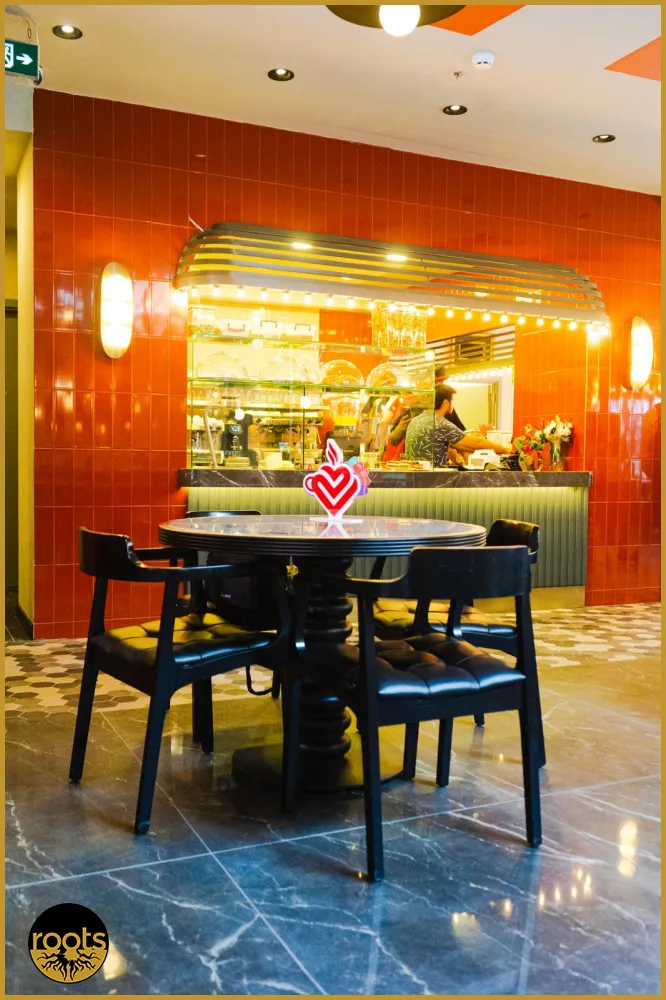
What Are Cafe and Restaurant Interior Projects?
Cafe and restaurant interior projects are the process of creating a space that best reflects your business's identity, target audience and concept, while also being functionally and aesthetically flawless. This process is not limited to just painting walls or placing furniture; it involves comprehensive planning that directly affects the atmosphere of the space, the customer experience and operational efficiency.
Why Is It Important?
One of the cornerstones of a successful cafe or restaurant is the ambiance it offers its guests. Interior design creates the customer's first impression from the moment they step into the space. The right design:
- Increases customer loyalty.
- Strengthens brand awareness.
- Provides organic promotion by offering shareable visuals on social media.
- Increases employee efficiency and comfort.
Who Is It Suitable For?
Cafe and restaurant interior projects appeal to a wide audience, from entrepreneurs considering opening a new business to business owners who want to renew the concept of their existing space or improve the customer experience. They are primarily ideal for the following groups:
- Those Opening a New Cafe or Restaurant: Those who want to determine the right concept and architecture while creating a space from scratch.
- Those Who Want to Renovate Their Existing Business: Those who want to modernize their outdated, unfashionable or inefficient spaces.
- Those Who Want to Strengthen Their Brand Identity: Those who want to reflect their business's unique identity and values in the interior design.
- Those Who Want to Take the Customer Experience to the Next Level: Those aiming to create a more comfortable, inviting and unforgettable atmosphere.
What Needs Does It Meet?
Cafe and restaurant interior projects are designed to meet the multifaceted needs of a business:
- Creating Aesthetics and Concept: Creates a visually appealing and memorable space that suits the concept determined by the business.
- Improving the Customer Experience: Increases guest satisfaction with elements such as comfortable seating areas, a spacious atmosphere, appropriate lighting and acoustics.
- Operational Efficiency: Facilitates operational flow by optimizing kitchen access, service areas, staff movement areas and customer circulation.
- Spatial Planning: Using the existing space in the most efficient way, optimizing seating capacity and creating areas that appeal to different customer groups (individuals, couples, groups).
- Brand Image and Identity: Materializes the brand's values, story and target audience through design elements.
In Which Situations Should It Be Preferred?
An interior project should be preferred at certain critical points in a business's life cycle:
- When Establishing a New Business: To create a space that suits your concept, appeals to your target audience and provides a competitive advantage.
- When There Is a Need for Physical or Conceptual Updating of the Space: If the business is aging, trends are changing or it is no longer compatible with your concept.
- When There Is a Need for Differentiation in a Competitive Environment: When you want to stand out from your competitors and offer your customers a unique experience.
- When Operational Problems Are Experienced: To solve problems related to the flow of the space, service speed or customer comfort.
- When There Is a Need to Respond to the Changing Needs of the Market: To adapt to new trends and reach different customer segments.
In What Ways Does It Differ from Alternatives?
Rather than standard decoration or random furniture selection, a comprehensive interior project makes a difference in the following points:
- Holistic Approach: It addresses not only visuals but also all elements such as functionality, customer experience, brand identity and operational flow together.
- Expertise and Experience: Architects and designers offer creative and practical solutions that maximize the potential of the space.
- Target Focus: It is a strategically planned design aimed at a specific target audience and concept.
- Long-Term Investment: It includes solutions that are as durable as they are aesthetic, easy to maintain and retain their value over time.
- Technical Details: It also covers technical details such as lighting planning, acoustic arrangements, material selection and electrical/mechanical installation integration.
Material Selection and Recommendations
In cafe and restaurant interiors, material selection is critically important for both aesthetic appearance and durability. The usage areas, durability and costs of different materials can be summarized as follows:
| Material Type | Durability (Against Intensive Use) | Interior/Exterior Architectural Use | Average Cost (Reference) |
|---|---|---|---|
| Natural Wood (Solid, Veneer) | Medium - High (May require maintenance) | Generally Interior (Exterior with special applications) | Medium - High |
| MDF / Chipboard (Melamine, Laminate Coated) | Medium (Resistance to scratches depends on the coating) | Mainly Interior | Low - Medium |
| Metal (Stainless Steel, Iron, Aluminium) | High | Interior and Exterior | Medium - High |
| Natural Stone (Granite, Marble) | Very High | Interior and Exterior | High - Very High |
| Ceramic / Porcelain | High | Interior and Exterior (Floor, Wall) | Low - Medium |
| Concrete / Microcement | High | Interior and Exterior | Medium |
| Fabric / Leather (Upholstery) | Medium - High (Depends on quality and maintenance) | Mainly Interior | Medium - High |
| Glass (Tempered, Laminated) | Medium - High (Depends on type) | Interior and Exterior | Medium |
Material costs may vary depending on regional differences, labour and brand.
Things to Consider Before Purchasing
Paying attention to the following points before realising a cafe or restaurant interior project will directly affect the success of the project:
- Budget Determination: Creating a realistic budget and including all items (design, materials, labour, furniture, lighting, etc.) in this budget.
- Target Audience Analysis: Understanding well whom the venue will appeal to and ensuring the design is suitable for this audience.
- Physical Conditions of the Venue: Taking into consideration the physical features of the existing space such as dimensions, columns, windows and doors.
- Clarity of the Concept: Clearly determining the message the business wants to convey, the brand identity and the overall atmosphere.
- Professional Support: Working with an experienced interior architect or designer will minimise possible mistakes and reveal the potential of the venue.
- Legal Permits and Regulations: Taking into account legal requirements such as municipal permits, fire regulations and disabled access during the project design phase.
- Lighting Planning: Creating the right lighting scenarios that are both functional and create atmosphere.
- Acoustic Arrangements: Providing a comfortable listening and conversation environment by optimising the sound insulation and acoustics of the venue.
- Durability in Material Selection: Preferring materials that are resistant to intensive use, easy to clean and practical to maintain.
- Flexibility: The ability of the venue to easily adapt to possible future changes or updates.











































































