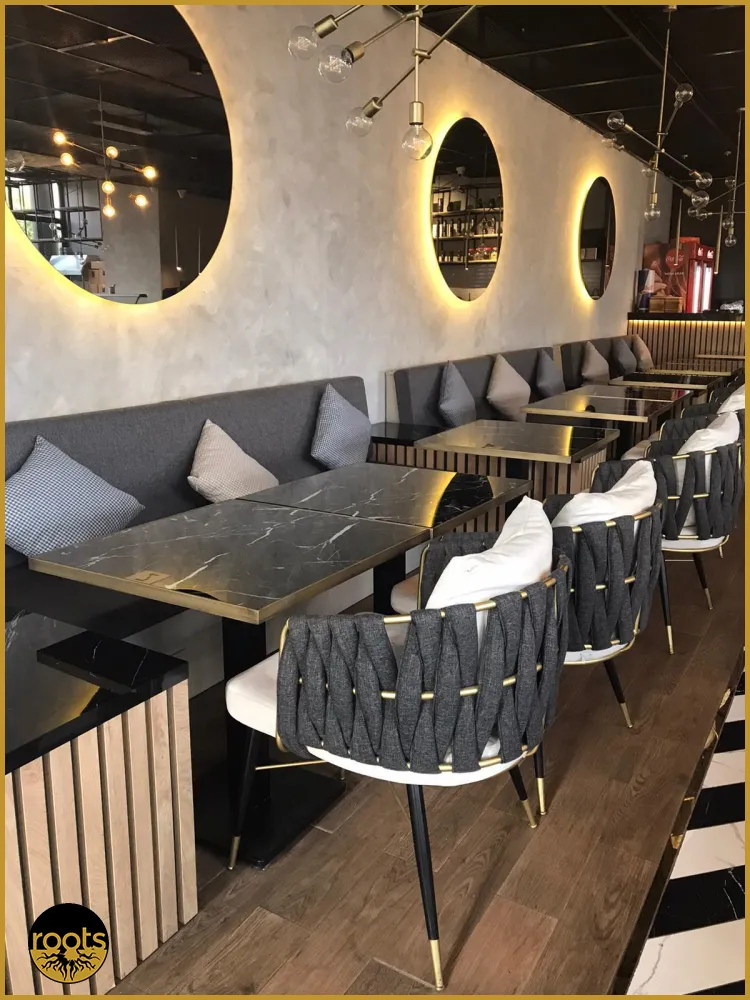
CAFE TABLE CHAIR PROJECTS - CAFE PROJECT: The Right Choices for Your Venue
What Are Cafe Table Chair Projects?
Cafe table chair projects cover the process of designing, selecting and placing the table and chair sets to be used in the indoor or outdoor areas of a cafe, restaurant, bistro or similar food and beverage venue. This process is not limited to furniture selection; it takes into account many factors such as the overall concept of the venue, customer experience, functionality, durability and budget.
An effective cafe table chair project defines the atmosphere of the venue, increases customer comfort and supports operational efficiency. The right furniture selection reflects the identity of your venue, enhancing both its visual appeal and offering your guests an unforgettable experience.
What Is It For and Which Needs Does It Meet?
Cafe table chair projects go beyond meeting the basic needs of a venue and play a critical role in the success of your business:
- Customer Comfort and Experience: Comfortable and ergonomic tables and chairs encourage your guests to stay longer in the venue. This can mean more orders.
- Venue Design and Atmosphere: Furniture directly affects the overall aesthetics and atmosphere of the venue. Different styles such as modern, classic, rustic or industrial come to life with the right table and chair selections.
- Maximum Space Utilization: Seating capacity can be optimized by choosing table and chair models suited to the size and shape of the venue.
- Durability and Ease of Maintenance: Furniture suitable for intensive use, easy to clean and practical to maintain reduces operating costs and provides long-lasting use.
- Functionality: Various seating arrangements can be created to appeal to different customer groups (for example, solo visitors, couples, groups).
Who Is It Suitable For?
Cafe table chair projects are ideal for a wide range of businesses:
- Cafes and Restaurants About to Open: To plan furniture needs from the very first concept of the venue.
- Those Who Want to Renovate Their Existing Venues: Businesses that want to refresh their decor, improve customer experience or increase operational efficiency.
- Bistros and Cafeterias: Those looking for stylish and practical solutions suitable for intensive daily use.
- Hotels and Guesthouses with Dining Areas: Those who want to offer their guests a quality dining experience.
- Businesses with Outdoor Seating Areas: Furniture specially designed for open-air venues such as garden cafes and terrace restaurants.
In Which Situations Should It Be Preferred?
Table and chair selection becomes a strategic decision in many situations:
- When Defining the Concept of the Venue: If a specific theme such as "modern", "vintage" or "industrial style" is targeted, the furniture should reflect this theme.
- In Venues with High Customer Traffic: Durable and easy-to-clean materials must keep up with intensive use.
- When Space Efficiency Matters: Compact or foldable table and chair models allow you to make better use of space in small venues.
- To Increase Customer Satisfaction: Comfortable seating options and aesthetically pleasing furniture directly affect the guest experience.
- Suitability for Different Time Slots: Furniture arrangements can be made to create different atmospheres for morning coffee, lunch or dinner.
In What Ways Does It Differ from Alternatives?
In cafe table chair projects, unlike standardized furniture sets, solutions are offered that focus on the specific needs and aesthetics of the venue. This goes beyond ready-made products bought from general furniture stores:
- Customized Design: Production can be carried out in custom sizes and designs that fully match the architecture, color, lighting and overall concept of the venue.
- Flexibility in Material Selection: The most suitable, durable and aesthetic materials (wood, metal, plastic, bamboo, rattan, etc.) can be selected for the purpose of use of the venue (indoor, outdoor, intensive use, etc.).
- Ergonomics and Comfort Focus: With user experience prioritized, ergonomic designs that provide comfort even during long periods of sitting can be preferred.
- Space Efficiency: Space usage can be optimized with modular systems, foldable or stackable models.
- Reflecting Brand Identity: Furniture can be designed to support the corporate identity of your business and the message it wants to convey.
Material Comparison
Different material types vary in terms of durability, area of use and cost. The table below compares popular cafe furniture materials:
| Material Type | Durability (General) | Interior Design Compatibility | Exterior Design Compatibility | Cost (Average) | Highlights |
|---|---|---|---|---|---|
| Solid Wood | High (Requires maintenance) | Very High (Warm and natural) | Medium (Requires special treatments) | Medium - High | Aesthetic, natural appearance, becomes more beautiful over time. |
| Metal (Steel, Aluminium) | Very High | High (Modern, industrial) | High (Rust resistance is important) | Medium - High | Sturdiness, suitability for modern and industrial designs. |
| Plastic (Polypropylene, Polycarbonate) | Medium - High | High (Lightweight, colourful options) | High (Must be UV protected) | Low - Medium | Lightweight, colourful, easy to clean, economical. |
| Bamboo / Rattan | Medium (Pay attention to moisture) | High (Natural, bohemian) | Medium (Requires protection) | Medium | Natural, lightweight, aesthetic, ideal for tropical/bohemian styles. |
| MDF / Chipboard (Coated) | Medium (Sensitive to moisture and scratching) | High (Wide range of colours and patterns) | Low (Affected by moisture) | Low - Medium | Economical, offers wide design flexibility. |
Things to Consider Before Purchasing
Making the right table and chair choice is important for the long-term success of your business. Here are the main points you should pay attention to:
-
Size of the Space and Layout Plan:
- Take the measurements of the space and determine the most suitable table sizes.
- While maximising seating capacity, leave passage areas where customers can move comfortably.
- For areas such as wall edges and window fronts, you can consider tables of different sizes or types.
-
Purpose of Use and Traffic Density:
- Furniture selection varies according to the type of venue, such as a cafe, restaurant or quick-service point.
- For high-traffic venues, more durable and easy-to-clean materials should be preferred.
-
Aesthetic and Concept Compatibility:
- Choose furniture compatible with the general decoration style of the space (modern, classic, rustic, industrial, etc.).
- Pay attention to colour harmony, textures and forms.
-
Comfort and Ergonomics:
- Choose chairs in which your customers can be comfortable for a long time.
- Consider ergonomic elements such as back support, seat height and width.
-
Material Quality and Ease of Maintenance:
- Research the durability of the materials you choose.
- Prefer surfaces that are easy to clean and do not retain stains.
- For outdoor use, choose materials resistant to water, UV rays and weather conditions.
-
Budget:
- When determining table and chair costs, calculate the total cost of ownership by also considering long-term durability.
- Investigate discount opportunities for bulk purchases.
-
Warranty and After-Sales Services:
- Learn about the warranty conditions offered by the manufacturer or supplier.
- Check whether spare parts supply or service is available in case of a possible problem.











































































