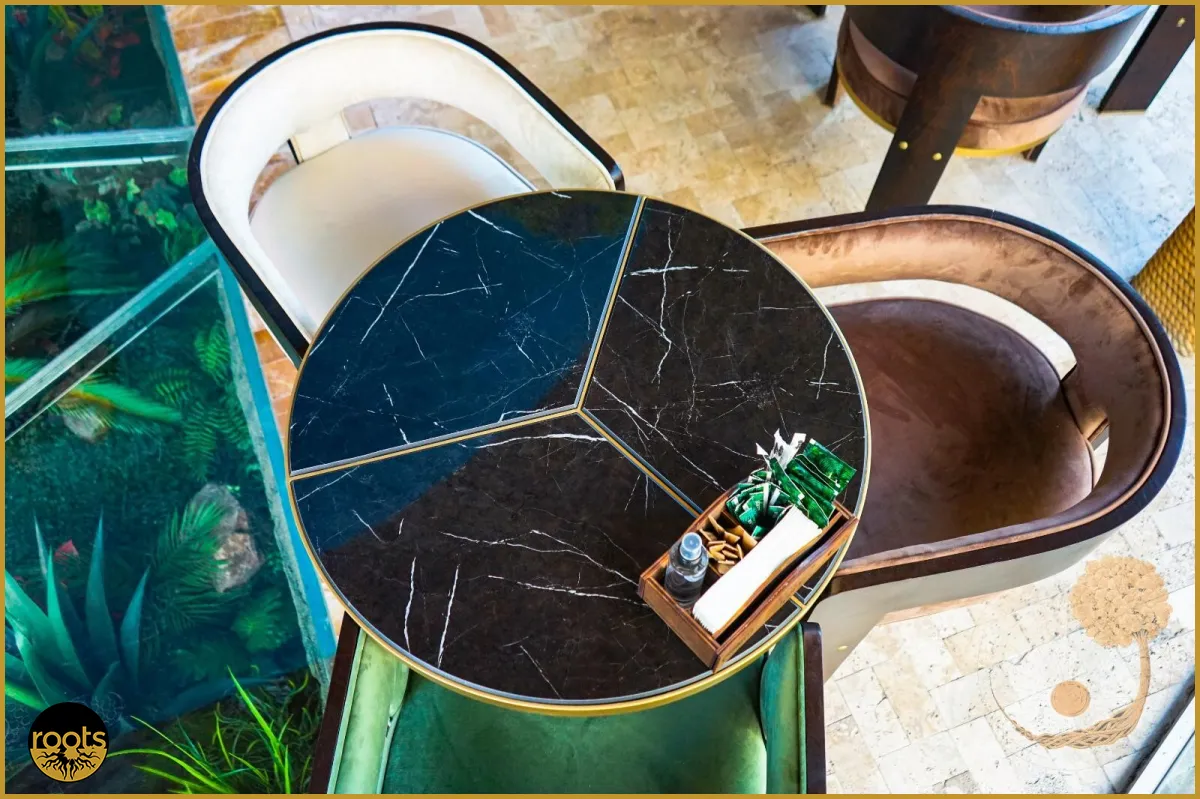
Creating Identity and Experience in Concept Cafe Designs
In today's gastronomy world, the success of a venue is measured not only by the quality of the products it offers but also by the spatial experience it presents to its visitors. Concept cafe designs are the process of transforming a business's spirit, the message it wants to convey to its target audience, and the brand's stance into a physical form. Interior architectural cafe designs do not pursue only an aesthetic concern; they are also a strategic approach that aims to increase operational efficiency, manage customer circulation correctly, and target long-term profitability.
When starting a cafe design project, it must be clarified which need the venue will meet. Is a fast-consumption-oriented "take-away" spot being designed, or a comfortable living space where customers can spend hours, reflecting the spirit of "third-generation coffee shop"? This distinction directly affects every detail, from the ergonomics of the furniture to be used to the color temperature of the lighting.
Functional Solutions and Aesthetic Balance in Interior Architecture
Good architectural design melts aesthetics and functionality in the same pot. One of the biggest challenges encountered in cafe designs is to ensure that both the kitchen and service areas work efficiently in limited square meters while keeping customer comfort at the highest level. While choosing different design languages such as industrial, minimalist, retro or bohemian, the physical conditions of the venue (ceiling height, natural light intake, facade width) should be taken into consideration.
The Axis of Correct Material Selection and Durability
In areas with heavy human traffic such as cafes, material selection is a factor that directly affects operating costs. Easy-to-clean, wear-resistant textures that suit the spirit of the venue should be preferred. The following table compares the properties of the basic materials frequently used in cafe designs:
| Material Type | Durability | Area of Use | Cost Scale | Maintenance Need |
|---|---|---|---|---|
| Natural Wood (Solid) | Medium - High | Table tops, wall panels | High | Requires regular polishing |
| Metal / Steel | Very High | Furniture frames, shelves | Medium | Low |
| Marble / Natural Stone | High | Service counters, flooring | Very High | Requires stain protection measures |
| Ceramic / Tile | High | Flooring, wet areas | Low - Medium | Very Low |
| Epoxy Flooring | High | Modern/Industrial floors | Medium | Low |
Things to Consider When Making a Concept Design Decision
Before purchasing a design or receiving professional architectural support, you should pay attention to the following points that will facilitate your decision process:
- Target Audience Analysis: Will your venue be a study space for students or a meeting point for white-collar workers?
- Acoustic Planning: Sound reverberation is the biggest enemy of a cafe. Sound-absorbing panels or soft textures must definitely be considered during the design process.
- Lighting Hierarchy: A balance must be established between general lighting, task lighting and accent lighting. The correct light angle makes meals and drinks look much more appetizing.
- Kitchen and Bar Ergonomics: The movement area of the service staff must not be restricted. Operational speed is as critically important as the elegance of the design.
- Sustainability: Energy-saving lighting and environmentally friendly materials both strengthen your brand's image and reduce your expenses in the long term.
Alternative Approaches in Cafe Design
Going beyond traditional approaches during the concept determination phase sets you apart from your competitors. For example; the biophilic design (bringing nature indoors) approach can create a center of attraction for customers overwhelmed by city life. Alternatively, by using monochrome designs, you can increase the depth of the space through just a single color palette. The most important point that distinguishes you from others is that the space has a "story." Designs without a story remain only as "a nicely decorated place" over time and lose their memorability.
Frequently Asked Questions
Question 1: Which concept is more suitable for a small space?
Answer: In small spaces, concepts dominated by minimalist and light colors should be preferred. The strategic use of mirrors and high ceiling illusions make the space look more spacious.
Question 2: How can I optimize design costs?
Answer: To reduce costs, you can make a difference with decorative elements by avoiding structural changes (such as knocking down walls). Restoration of second-hand furniture or raw exposed concrete surfaces in industrial style provide a cost advantage.
Question 3: What is the effect of colors on customers in cafe design?
Answer: While warm colors (orange, red tones) have an appetite-stimulating and energizing effect; blue and green tones provide calmness. Benefiting from color psychology according to your concept can guide customer behavior.
Contribution of Architectural Design to Business Success
A professional interior architectural cafe design is not just about choosing the color of the walls. This process is an investment made to increase brand value, build customer loyalty and maximize employee efficiency. During the decision-making phase, choosing design lines that will not become outdated in the next 5-10 years, not just today's trends, will increase the speed of return on investment (ROI).
It should not be forgotten that; good design is a silent marketer. The more comfortable and special your customers feel within the aesthetic integrity of your space, the more frequently they will visit your business.











































































