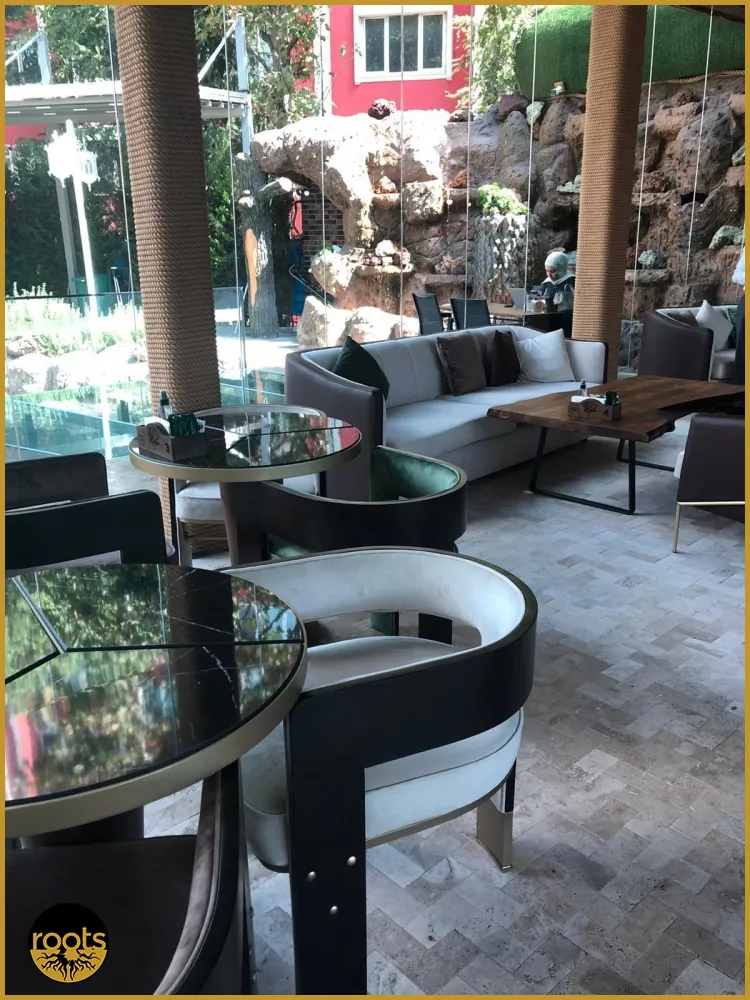
Concept cafe designs - Interior Architectural Cafe Designs: Create the Space of Your Dreams
In today's competitive market, opening a cafe requires much more than just serving delicious coffees. To give your customers an unforgettable experience, reflect your brand's identity and encourage them to come back again and again, an original concept cafe design is of vital importance. Interior architecture is the most important element that determines the spirit and atmosphere of a cafe.
In this comprehensive guide, you will find all the information you need in the process of bringing your dream concept cafe to life. We will cover every detail, from the role of design in a cafe's success to material choices, from cost analyses to the fine points to pay attention to.
What Is Concept Cafe Design and Why Is It Important?
Concept cafe design means that a space is not only functional but also shaped around a specific theme, story or identity. This concept covers every detail, from the decoration of the space to the menu, from staff uniforms to the music played.
Why Is It Important?
- Creating Brand Identity: A unique design makes your brand memorable and helps you establish an emotional bond with your target audience.
- Differentiation in Competition: It enables you to stand out from ordinary cafes.
- Customer Experience: Customers come not only to drink coffee but also to spend time in a pleasant atmosphere. Design forms the basis of this experience.
- Social Media Impact: Aesthetically attractive spaces are naturally shared more on social media and contribute to the organic promotion of your brand.
- Space Efficiency: A well-designed interior offers a smooth circulation area for both staff and customers, increasing operational efficiency.
Who Is It Suitable For?
Concept cafe designs are ideal for the following target audiences and needs:
- Entrepreneurs planning to open a new cafe.
- Business owners who want to renovate their existing cafe and make it more attractive.
- Brands that want to appeal to a specific target audience (for example, art lovers, bookworms, game enthusiasts).
- Businesses aiming to offer their customers not only coffee but also an experience.
- Cafe owners who want to increase brand value and prestige.
Which Needs Does It Meet?
Concept cafe designs meet many fundamental needs of a business:
- Attracting customers and building loyalty.
- Improving operational flow (ordering, seating arrangement, service).
- Increasing the efficiency of staff working areas.
- Shaping the atmosphere and ambience of the space in the desired direction.
- Maximizing the usability and capacity of the space.
- Strengthening brand awareness and perception.
How Does the Concept Cafe Design Process Work?
A successful concept cafe design requires careful planning and implementation:
- Determining the Concept: A main concept is determined in line with your brand's identity, your target audience and the products you will offer. (E.g.: Retro, Industrial, Minimalist, Bohemian, Botanical, etc.)
- Space Analysis and Planning: The dimensions of the existing space, lighting conditions and infrastructure (electricity, water, ventilation) are examined. A layout plan (seating areas, service bar, kitchen, etc.) is created according to the needs.
- Developing the Design Concept: The color palette, material selection, furniture style, lighting solutions and decorative elements are determined.
- 3D Modeling and Visualization: 3D drawings and renders are prepared to see the design as close to reality as possible. This stage allows potential problems to be seen in advance.
- Implementation and Construction: Construction, renovation and decoration works are carried out in accordance with the design plan.
- Detailing and Final Touches: Fine craftsmanship such as placing accessories, planting and installing lighting fixtures is completed.
Popular Concept Cafe Design Types and Features
There is no single right answer in cafe design. It is important to choose the concept most suitable for your target audience and your brand. Here are some popular concepts:
- Industrial Design: Raw concrete, brick, metal details, exposed pipes, and vintage furniture stand out. It generally appeals to a young and dynamic audience. It looks good in large and spacious venues.
- Minimalist Design: Simple lines, neutral colors (white, gray, beige), and a small number of striking decorative elements are used. It creates a clean and spacious atmosphere.
- Bohemian (Boho) Design: It offers a warm and friendly environment with colorful textiles, natural materials (wood, rattan), ethnic patterns, and abundant use of plants.
- Retro/Vintage Design: Furniture, decorative elements, and colors from past periods are used. It creates a nostalgic atmosphere.
- Botanical Design: With an abundance of live plants, natural wood, and a dominance of green tones, it gives a feeling of being intertwined with nature. It is calming and refreshing.
- Art Gallery Concept: Venues where artworks are exhibited on the walls and modern and stylish furniture is used. It is ideal for art lovers.
- Book Cafe Concept: It offers a peaceful environment with books on the shelves and comfortable seating areas suitable for reading.
Types of Materials Used in Interior Architecture
The choice of material directly affects both the aesthetics and durability of the venue. Here are some common types of materials and their features:
| Material Type | Durability | Interior/Exterior Architectural Use | Cost (Average) | Features and Considerations |
|---|---|---|---|---|
| Natural Wood | Medium - High (depending on processing) | Interior (also protected exterior) | Medium - High | Adds a warm atmosphere and offers a natural look. It may be sensitive to moisture and scratches and may require regular maintenance. Different types (oak, walnut, pine) have different durability and costs. |
| Particle Board (MDF/Chipboard) Coating | Medium | Interior | Low - Medium | Offers economical solutions, and a wide range of color and pattern options are available. It is sensitive to moisture and may bend when subjected to heavy loads. It is generally used for shelves and cabinets. |
| Natural Stone (Marble, Granite) | Very High | Interior and Exterior | High | Provides a prestigious and luxurious appearance. It is very durable, but its porous structure may be prone to staining (especially marble). It is heavy and expensive. It is used for countertops, floors, and wall coverings. |
| Ceramic and Porcelain | High | Interior and Exterior | Low - Medium | It is easy to clean, stain-resistant, and water-resistant. It offers a wide range of patterns and colors. It is popular for floors, walls, and countertops. It may be fragile against impact. |
| Concrete/Micro Concrete | High | Interior and Exterior | Medium | Provides a modern and industrial appearance. It is durable and easy to maintain. The risk of cracking can be minimized with correct application. It is suitable for floors, walls, and countertops. |
| Metal (Iron, Steel, Aluminum) | Very High | Interior and Exterior | Medium - High | It is used in industrial and modern designs. It is suitable for shelving systems, table legs, lighting elements, and decorative details. It may need to be coated against rust. |
| Glass | Low - Medium (depending on thickness and type) | Interior and Exterior | Medium | It makes venues look brighter and more spacious. It is used for partition walls, table surfaces, and decorative objects. Tempered glass is safer. It is sensitive to scratches and breakage. |
| Fabric and Upholstery Materials | Variable | Interior | Low - High | It is used in seating groups, chairs, and curtains. They add comfort and aesthetics. Their durability against dirt and wear varies. Their flammability properties are important. |
What Are the Factors Affecting Costs?
The cost of a concept cafe design and application depends on many factors:
- Size of the Space: Larger spaces require more materials and labor.
- Complexity of the Concept: Original and detailed designs require more time and resources.
- Material Quality: Natural stones, special wood types and high-quality finishes increase the cost.
- Workmanship: The level of craftsmanship and expertise required to implement the design.
- Furniture and Decoration: Custom-made furniture or designer products can raise the cost.
- Lighting: Custom-designed lighting solutions affect the cost.
- Current Condition: How much renovation the space needs (infrastructure, walls, floors, etc.).
Things to Consider Before Purchasing
When researching an interior architecture service or design solutions, paying attention to the following points will make your decision-making process easier:
Frequently Asked Questions
Getting professional support to bring your dream concept cafe to life will both maximize your venue's potential and guarantee your success in the long term. Bring your brand's story into the space with our interior architectural solutions.











































































