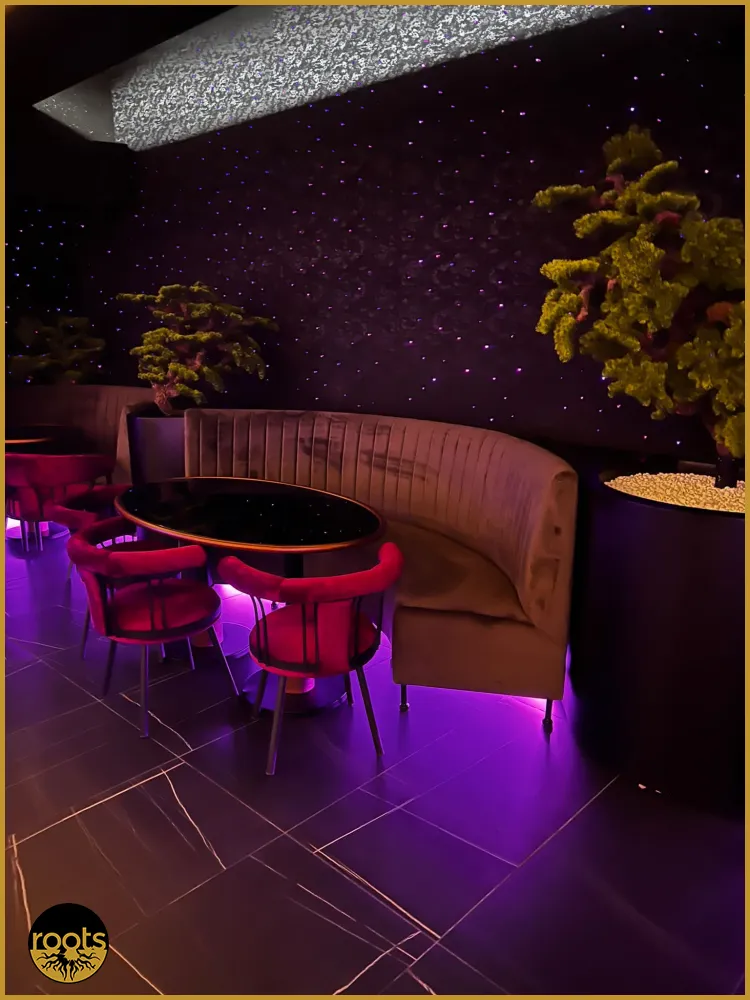
Restaurant Interior Architecture Designs: The Combination of Aesthetics and Functionality
The success of a restaurant business is directly related not only to the quality of the dishes served but also to the physical experience offered to guests. Interior architecture restaurant designs are a strategic process that reflects the brand's identity, maximizes customer comfort and supports operational efficiency. A correct interior design determines the atmosphere the customer feels from the moment they enter the door, increasing the brand value and preferability of the business.
What Do Restaurant Interior Designs Cover?
A comprehensive interior design is not limited to furniture selection or the color of wall paint. This process includes the circulation planning of the space, lighting engineering, acoustic solutions and establishing the ergonomic balance between the kitchen and service areas. A professional design aims to establish a structure where customers can move comfortably, staff can serve quickly and the character of the brand is felt at every point.
Basic Needs Met by the Right Design
When starting a restaurant project, it must be clarified which needs the design will respond to:
- Ambiance and Brand Identity: Creating an atmosphere suited to the culinary culture the business offers (e.g., the different atmosphere needs of a modern Far Eastern restaurant and a traditional Italian trattoria).
- Balance of Maximum Capacity and Comfort: Using the square meters efficiently in the table layout plan while not violating the personal space of guests.
- Acoustic Comfort: Insulation and material choices that prevent background music and the sounds of other customers from reaching disturbing levels.
- Lighting Strategy: Lighting systems that can be adjusted according to different times of the day, highlight the visual appeal of the dishes and add depth to the space.
Material Selection and Comparison
In restaurant designs, material selection affects both the cost and the longevity of the business. The following table compares some frequently preferred material types according to their characteristics:
| Material Type | Durability | Area of Use | Cost Axis |
|---|---|---|---|
| Natural Wood | Medium (Requires maintenance) | Floor, Wall Panels, Furniture | High |
| Porcelain Ceramic | Very High | Floor and Kitchen Areas | Medium - High |
| Metal and Steel | Very High | Industrial Design, Kitchen | Medium |
| Quartz/Marble | High | Bar and Presentation Counters | High |
| Microcement | High | Modern Floor and Wall Cladding | Medium |
Points to Consider Before Purchasing and Implementation
Before receiving an interior architecture service or starting the design process, the following points should be taken into consideration:
- Target Audience Analysis: The expectations of the audience the design will address (e.g., white-collar workers eating quickly, or families spending a long time?) must be clearly determined.
- Operational Flow: Details such as the routes waiters take from the kitchen to the table, the location of the payment point and access to the restroom must be resolved during the technical drawing stage.
- Local Regulations and Hygiene Standards: The design must comply with fire regulations, municipal rules and food safety standards (such as HACCP).
- Sustainability: Long-term operating costs should be reduced by preferring energy-saving lighting and easy-to-clean, long-lasting materials.
What Is Its Difference from Alternative Approaches?
Professional restaurant interior designs differ from standard decoration practices in their "commercial focus." While standard decoration only appeals to the eye; professional interior architecture also takes into account profitability per square meter, acoustic balance and staff efficiency. This is the most important element that shortens the return on investment (ROI) period.
Frequently Asked Questions
1. How long does the restaurant design renovation process take?
Although it varies depending on the size of the space and the scope of the intervention to be made, the concept design process is generally completed in 2-4 weeks, and the implementation process in 4-12 weeks.
2. What kind of design approach should be followed for restaurants with small spaces?
In small spaces, a sense of spaciousness is created by preferring mirrors, light color palettes and minimal furniture designs. In addition, the use of vertical storage and multifunctional areas is critical.
3. What is the importance of lighting in design?
Lighting enables customers to focus on their food and determines the depth of the space. While warm lights offer a more intimate and inviting atmosphere, cool lights can be preferred in areas with fast circulation (such as fast-food).
4. Can existing furniture be included in the design?
Yes, with a professional interior architecture approach, existing furniture can be revised or adapted to the new concept to provide a cost advantage.
In conclusion; interior architecture restaurant designs are the most fundamental element that creates the spirit of a space. Considering technical requirements as well as aesthetic expectations before investment lays the foundation for a long-term and successful business model.











































































