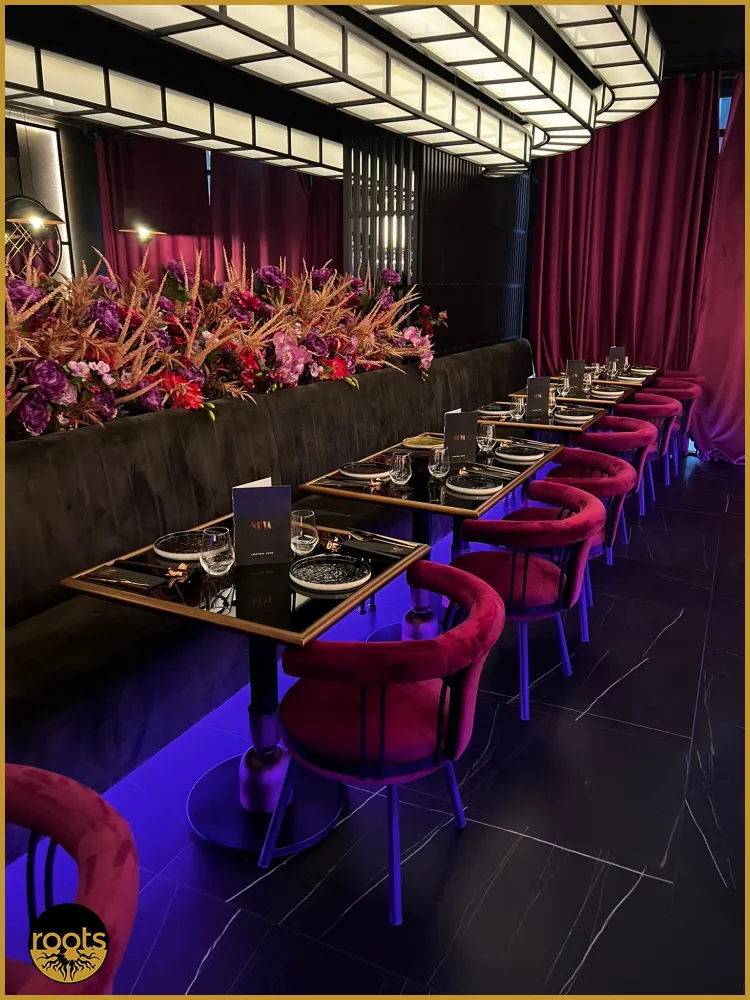
Restaurant Interior Architecture Designs: Reflect the Soul of Your Space
The success of a restaurant is directly related not only to the flavors it offers but also to its atmosphere. The first thing that welcomes your guests is the visual and sensory experience the space offers. At this point, comprehensive and professional restaurant interior architecture designs come into play. A well-designed interior increases customer satisfaction and strengthens your brand identity.
What Is Restaurant Interior Design and Why Is It Important?
Restaurant interior design is the process of arranging dining spaces in an aesthetic, functional and user-oriented way. This process covers not only furniture placement but also lighting, color palette, material selection, acoustic arrangements, floor and wall coverings, and even service flow. A successful interior design:
- Enriches the Customer Experience: A comfortable, inviting and cozy environment allows guests to stay longer and give more positive feedback.
- Strengthens Brand Identity: Design reflects your restaurant's concept, target audience and the service it offers, increasing your brand awareness and loyalty.
- Increases Operational Efficiency: Smart planning of the kitchen, service area and seating arrangement allows your staff to work faster and more effectively.
- Maximizes the Potential of the Space: Making the best use of the area offers the opportunity to create more seating capacity or a more spacious atmosphere.
The Scope of Restaurant Design: Which Elements Does It Include?
Many elements are brought together to create an interior that suits your restaurant's concept:
- Concept Development: Determining a theme and atmosphere that suits the space's target audience, type of cuisine and brand story.
- Spatial Planning (Layout): Functional placement of seating arrangements, service paths, kitchen and restroom areas.
- Lighting Design: Creating the desired atmosphere by using general lighting, task lighting and ambient lighting together.
- Color and Material Selection: Supporting the identity of the space with wall colors, floor coverings, furniture materials and decorative elements.
- Furniture and Accessory Selection: Determining comfortable and aesthetic chairs, tables, bar stools and decorative objects.
- Acoustic Solutions: Creating a more pleasant listening environment by keeping noise under control.
- Visual Identity Integration: Making the logo, menu design and other corporate materials compatible with the overall design of the space.
Who Is It Suitable For? Which Needs Does It Meet?
Professional restaurant interior architecture designs are suitable for various types of businesses and their needs:
- Restaurants, Cafes and Bars to Be Newly Opened: Those who want to create a brand identity from scratch and make the first impression strong.
- Those Who Want to Renovate Their Existing Space: Those who want to modernize an old or outdated decoration, expand their customer base or increase operational efficiency.
- Those Making a Concept Change: Those who switch to a different theme or type of cuisine and want the space to reflect this change.
- Those Offering a Luxury or Boutique Experience: Those who want to differentiate themselves from competitors by offering their guests a special and unforgettable atmosphere.
- Businesses with Heavy Customer Traffic: Those looking for long-lasting and easy-maintenance solutions with both aesthetic and durable materials.
These designs meet basic needs such as attracting customers, increasing brand value, reducing operational costs (energy-saving lighting, durable materials, etc.) and increasing overall profitability.
In Which Situations Should It Be Preferred?
The main situations for turning to a professional restaurant design are as follows:
- If you think your existing space does not create a competitive advantage.
- If you receive negative comments about the atmosphere of the space in your customer feedback.
- If you want to convey your business's concept more clearly and effectively.
- If you are experiencing inefficiencies in your space's lighting, seating arrangement or flow.
- If you need to update your space's decoration to reach your target customer base.
- If you are in search of an original design that will strengthen and make your brand image memorable.
Alternatives and Differentiating Aspects
Although arranging a space on your own or with simpler solutions is an alternative, professional interior architecture designs stand out in the following aspects:
- Expertise and Experience: Interior architects have in-depth knowledge of the functionality, aesthetics, ergonomics of the space and its appeal to the target audience.
- Concept Consistency: It offers a holistic experience by integrating all elements of the brand (menu, service, visual identity) into the space design.
- Technical Knowledge: It provides the right solutions on technical issues such as lighting, acoustics, ventilation and material durability.
- Cost Efficiency: In the long term, it prevents the additional costs that wrong material selection or a non-functional arrangement would bring.
- Originality: Going beyond standard solutions, it creates space-specific, memorable designs that reflect the brand.
Material Options: Durability, Use and Cost
The materials used in restaurant designs directly affect the character, durability and ease of maintenance of the space. Here are some common material types:
| Material Type | Durability | Interior/Exterior Architecture Use | Cost (Average) | Example Usage Areas |
|---|---|---|---|---|
| Natural Stone (Marble, Granite) | Very High | Interior and Exterior Architecture | High | Countertops, floors, wall coverings |
| Wood | Medium-High (treated) | Interior Architecture (Some types exterior facade) | Medium-High | Furniture, flooring, wall panels, ceiling |
| Ceramic and Porcelain Tile | High | Interior and Exterior Architecture | Low-Medium | Floors, walls, countertops |
| Metal (Stainless Steel, Iron) | High | Interior and Exterior Architecture | Medium | Furniture frames, lighting elements, decorative details |
| Concrete and Decorative Plasters | High | Interior and Exterior Architecture | Low-Medium | Wall coverings, floors, table tops |
| Fabric and Leather (Upholstery) | Medium (varies by quality) | Interior Architecture | Low-Medium (Synthetics) - High (Natural Leather) | Sofas, chairs, curtains |
Frequently Asked Questions
Things to Consider Before Purchasing
There are important points you should pay attention to before receiving an interior architecture design service or starting the design process:
- Define a Clear Concept: Clarify what kind of cuisine your restaurant will offer, who its target audience is and the overall atmosphere you want to create.
- Determine Your Budget: Create a realistic budget for the design and implementation processes. This will guide you and the designer.
- Review References: Examine in detail the previous work of the design office or architect you are considering receiving service from.
- Communicate: Establish transparent communication with the designers, clearly express your expectations and listen to their suggestions.
- Make a Detailed Agreement: Make sure that all details such as project scope, delivery dates, payment plan and revision rights are clearly specified in the contract.
- Know the Venue Well: Analyze the strengths and weaknesses of your existing venue (daylight exposure, natural ventilation, columns, etc.).
Make a Difference with Professional Interior Architecture
The success of your restaurant requires much more than just serving delicious food. Creating an atmosphere that impresses your guests, encourages them to come back and becomes identified with your venue is possible with the power of professional interior architecture design. Take the right design steps to maximize the potential of your venue, increase your brand value and stand out from your competitors.











































































