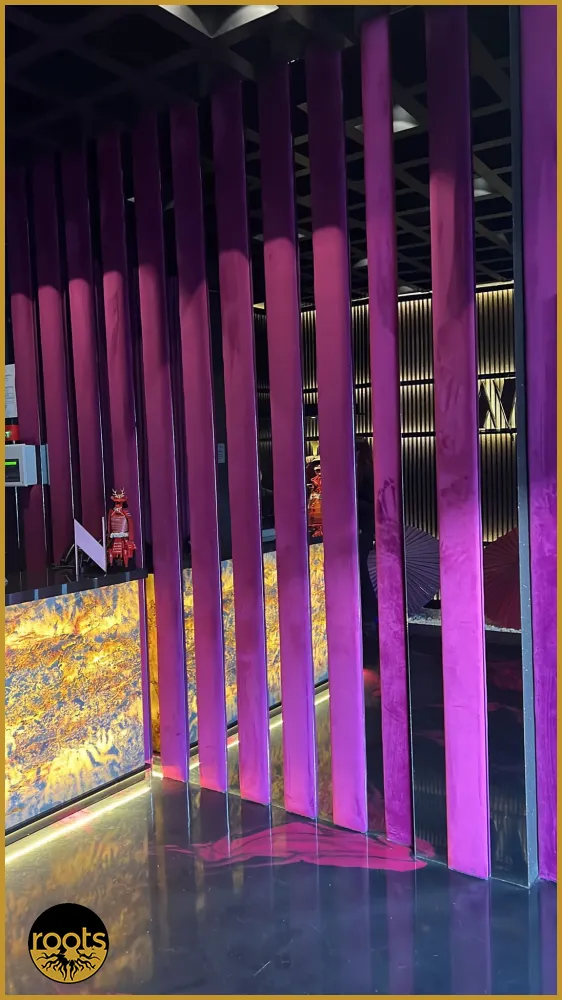
INTERIOR ARCHITECTURE RESTAURANT DESIGNS - RESTAURANT INTERIOR DESIGNS: Reimagine Your Space
The ambiance of your restaurant is one of the most important elements that directly affects your guests' experience. A successful restaurant interior design not only offers an aesthetic appearance but also maximizes functionality, brand identity and guest satisfaction.
What Is Restaurant Interior Architecture Design?
Restaurant interior architecture design is the planning, arrangement and decoration of the physical space of a dining venue in accordance with its concept. This process covers not only wall colors and furniture selection but also the flow of the space, lighting, acoustic arrangement, seating layout and even the placement of kitchen and service areas. The goal is to create an unforgettable experience for guests while ensuring that business operations run efficiently.
Why Is Professional Restaurant Interior Design Important?
Professional design reflects your restaurant's identity, increases customer attraction and strengthens your brand's memorability. A well-thought-out layout both offers your customers a comfortable experience and allows your employees to work more effectively.
- First Impression: The first entrance of your restaurant leaves a lasting impression in your guests' minds. Design shapes this first impression positively.
- Brand Identity: Design should visually convey your restaurant's concept and the type of food it offers (for example, a rustic bistro, a modern fine-dining restaurant or a lively cafe).
- Customer Experience: Comfortable seating areas, appropriate lighting, good sound arrangement and easy circulation allow your guests to have an enjoyable time.
- Operational Efficiency: The correct placement of the kitchen, bar, service and restrooms optimizes your staff's workflow, increases service speed and can reduce operational costs.
- Competitive Advantage: In a highly competitive environment, a standout design can set you apart from your competitors and increase customer loyalty.
Who Is It Suitable For?
Restaurant interior architecture designs are ideal for businesses and individuals in the following situations:
- Entrepreneurs planning to open a new restaurant.
- Business owners who want to update or modernize the concept of their existing restaurants.
- Operators aiming for their venues to attract more customers and increase their revenues.
- Restaurant owners who want to reflect their brand identity more strongly.
- Businesses aiming to offer their guests a unique and unforgettable experience.
- Anyone who wants to fully use the potential of their venue in terms of both aesthetics and functionality.
Which Needs Does It Meet?
Effective restaurant interior design meets the following basic needs:
- Aesthetics and Atmosphere: It ensures the overall appearance of the venue, its ambiance and its suitability to its concept.
- Functionality and Usability: It optimizes the efficiency of operational elements such as seating layout, service paths and kitchen access.
- Customer Comfort: It increases guest satisfaction with ergonomic furniture, appropriate lighting and acoustic arrangements.
- Brand Communication: It visually conveys the restaurant's story, values and the quality of the food it offers.
- Spatial Optimization: It increases capacity by using the existing space in the most efficient way and prevents unnecessary empty spaces.
- Cost Effectiveness: It helps reduce operating costs by choosing long-lasting and easy-to-maintain materials.
In Which Situations Should It Be Preferred?
Restaurant interior design should be especially considered in the following situations:
- When Establishing a New Business: Creating the right concept and atmosphere from the start is critical for long-term success.
- Renovation of an Existing Space: To revitalize a space that has become outdated or less efficient over time, to expand the customer base, or to bring a new concept to life.
- Differentiating in a Competitive Environment: When you want to stand out from your competitors and offer a unique customer experience.
- When Capacity Increase Is Targeted: When the space layout needs to be improved to host more guests comfortably and efficiently.
- Strengthening Brand Perception: When you want to create an interior that is in harmony with the quality and experience your restaurant offers.
Material Options and Comparison
The materials used in restaurant interior design are of great importance both aesthetically and practically. Selection should be made by taking factors such as durability, cleanability and cost into consideration. The following table compares some commonly used material types:
| Material Type | Durability | Use in Interior Spaces | Cost (General Average) |
|---|---|---|---|
| Wood (Natural, Lacquered, Veneer) | Medium - High (Varies depending on type and processing) | Common (Flooring, wall covering, furniture, ceiling) | Medium - High |
| Natural Stone (Marble, Granite, etc.) | High | Medium (Mostly flooring, countertops, wall details) | High |
| Ceramic & Porcelain | High | Common (Flooring, wall covering, backsplash) | Low - Medium |
| Metal (Stainless Steel, Iron, etc.) | Very High | Medium (Furniture frames, lighting fixtures, decorative elements) | Medium - High |
| Concrete & Microcement | High | Medium (Flooring, wall covering, countertops) | Low - Medium |
| Fabric & Upholstery Materials | Variable (Abrasion resistance and stain resistance are important) | Common (Sofas, chairs, curtains) | Variable |
Note: Costs may vary significantly depending on the quality of the material, the brand and the workmanship applied.
Aspects That Differentiate from Alternatives
Although there are many different "design" services on the market, **professional restaurant interior architecture designs** stand out in the following aspects:
- Comprehensive Approach: It offers holistic planning that includes not only aesthetics but also all details such as guest comfort, operational efficiency, lighting, acoustics, material selection and budget management.
- Concept Focus: By thoroughly understanding your restaurant's identity, target audience and the type of food it offers, it shapes the space accordingly.
- Spatial Analysis and Optimization: By using the existing space in the most efficient way, it both increases guest capacity and facilitates staff movement.
- Experience Design: By considering the entire process guests will go through from the moment they enter the space until they leave, it aims to create a positive perception and an unforgettable experience.
- Technical Details: It also incorporates technical details such as lighting calculations, electrical and plumbing planning, and ventilation systems into the design process.
- Long-Term Solutions: It attaches importance not only to current trends but also to factors such as durability, ease of maintenance and long-lasting use.
Things to Consider Before Purchasing
Paying attention to the following points before receiving a restaurant interior design service will help you make the right decision:
- Conduct a Detailed Needs Analysis: Clearly define your restaurant's concept, target audience, menu, budget and expectations.
- Review Their Portfolios: Go over the designer's or company's previous work, especially their achievements in restaurant projects.
- Ask for References: If possible, speak with their previous clients to learn their feedback.
- Communication and Understanding: Make sure you can communicate comfortably with the designer, that they understand you and share your vision.
- Request a Detailed Proposal: Get a clear proposal regarding the scope of the service, the deliverables (plans, renders, drawings, etc.), payment terms and additional services.
- Contract Details: Make sure that all agreed details such as the steps of the design process, revision rights, delivery times and project management are included in the contract.
- Measurements and Condition of Your Space: Provide the designer with complete, up-to-date and accurate measurements of your space, as well as information on any existing infrastructure.
- Budget Planning: Create your total budget by considering not only the design fee but also the implementation costs (renovation, furniture, decoration, etc.).











































































