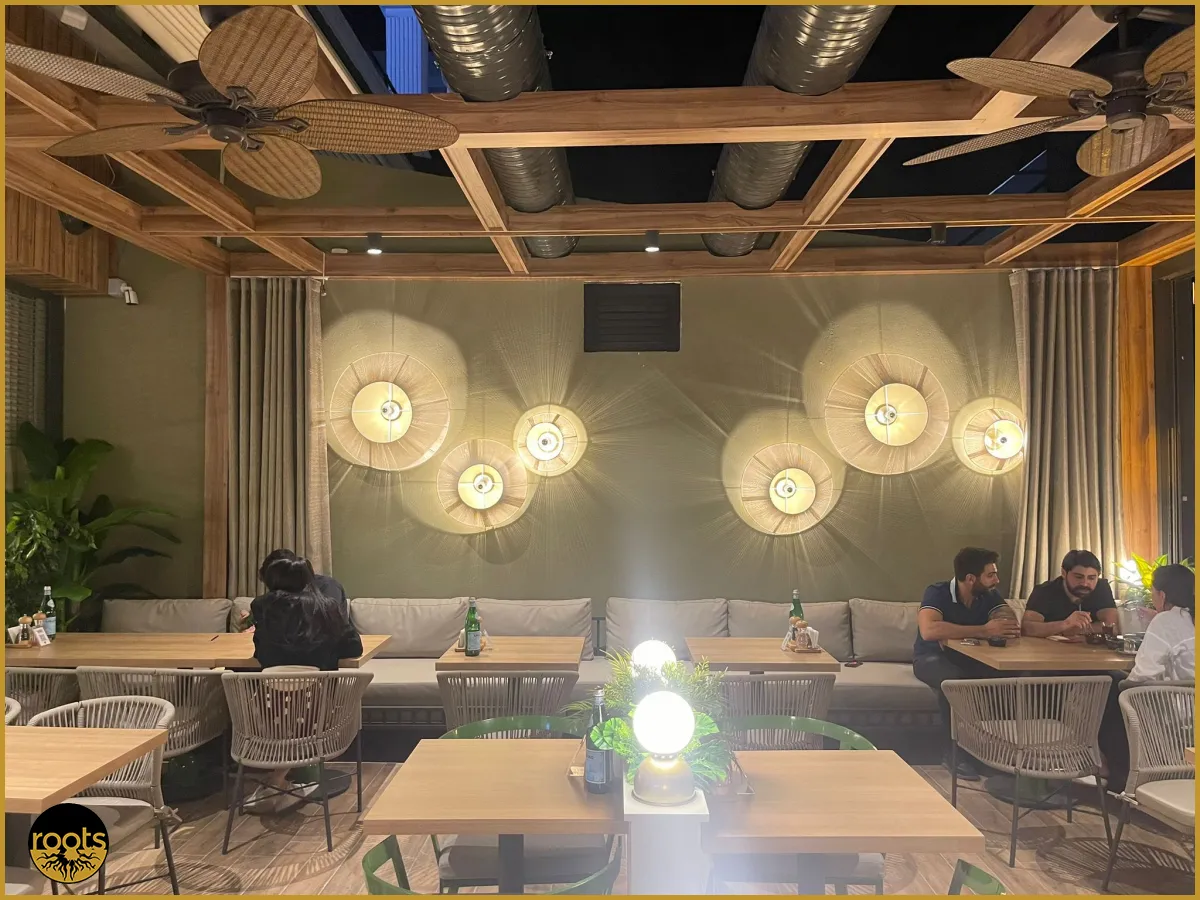
Restaurant Interior Architecture Designs: Reimagine Your Space
The success of your restaurant is directly proportional to the atmosphere it offers your guests as well as the flavors you serve. An impressive and functional interior architecture restaurant design reflects your brand's identity while enriching the customer experience and helping you build a loyal customer base. Restaurant interior designs are not just about aesthetics; they are also the art of increasing operational efficiency, maximizing the potential of the space and taking your guests on a comfortable journey.
In this comprehensive guide, you will find answers to all the questions you may have about your restaurant's interior design and go through an informed decision-making process. We will cover every detail, from your concept to material selection, from lighting to seating arrangement.
Why Is Professional Restaurant Interior Architecture Design Important?
The overall perception of your restaurant and customer satisfaction are largely influenced by interior design. A well-thought-out design provides the following:
- Strengthening Brand Identity: It tells your brand's story with colors, materials and furniture suited to your concept.
- Improving Customer Experience: It pleases your guests with comfortable seating areas, effective lighting and smooth circulation areas.
- Operational Efficiency: It facilitates operations through elements such as the integration of the kitchen with the service area, staff movement and table layout.
- Competitive Advantage: It sets you apart from your competitors by creating a memorable space far from the ordinary.
- High Revenue Potential: An attractive space offers the potential to attract more customers and extend seating times.
What Are Restaurant Interior Designs and Which Needs Do They Meet?
Restaurant interior designs are the elements that reflect the spirit of a restaurant and impress your guests from the very first moment. These designs not only offer a visual feast but also meet many practical needs:
- Spatial Organization: They ensure the most efficient positioning of the entrance area, waiting area, main dining hall, private rooms, bar, kitchen and service areas.
- Acoustic Arrangement: They create an environment where guests can converse comfortably by keeping noise under control.
- Lighting Design: They determine the ambiance of the space while not neglecting functionality. Different lighting scenarios can be created.
- Furniture and Seating Arrangement: Through the selection of comfortable, durable and space-appropriate furniture, guests are made comfortable and the capacity of the space is optimized.
- Material Selection: It involves choosing the right materials by considering factors such as durability, aesthetics, hygiene and ease of maintenance.
- Style and Concept Integrity: It ensures that the brand's concept is reflected in the space through different styles such as modern, rustic, industrial, minimalist and classic.
Who Is It Suitable For and In Which Situations Should It Be Preferred?
Interior architecture restaurant designs are ideal for restaurant businesses of every scale and concept. Whether you are opening a new venue or want to renovate your existing one, professional design support should be especially preferred in the following situations:
- Opening a New Restaurant: To build brand identity and guest experience on the right foundations from the very beginning.
- Renovation of an Existing Venue: To modernize venues that have become outdated, no longer in demand or have operational problems.
- Concept Change: To ensure the venue adapts to this new concept when you plan to offer a different gastronomic experience.
- Increasing Customer Satisfaction: When you want to create a comfortable and aesthetic environment where guests can have a more enjoyable time.
- Solving Operational Problems: To eliminate situations that disrupt operations such as narrow corridors, insufficient lighting and noise problems.
- Maximizing the Potential of the Space: To serve more guests or create different usage areas by using the existing space more efficiently.
In Which Ways Does It Differ from Its Alternatives?
Professional restaurant interior design services, unlike doing it yourself or working with standard decoration companies, operate by understanding the dynamics and special needs of the gastronomy sector. Its main differences are as follows:
- Sector-Specific Expertise: Has a command of sector-specific requirements such as restaurant operations, customer flow, and kitchen-service integration.
- Balance of Functionality and Aesthetics: Designs spaces that are not only visually appealing but also functional and operationally efficient.
- Personalized Solutions: Offers original designs suited to each restaurant's concept, budget, and target audience.
- Command of Technical Details: Provides expertise in technical matters such as lighting calculations, acoustic arrangements, and material durability.
- Long-Term Value: Extends the lifespan of the space with durable materials and timeless designs and reduces the need for constant renovation.
Points to Consider in Material Selection
The materials used in restaurant interiors directly affect the overall appearance, durability, maintenance, and cost of the space. Different material types offer different advantages and disadvantages. The following table compares some commonly used material types on the axes of durability, area of use, and cost:
| Material Type | Durability | Interior / Exterior Architectural Use | Cost (Average) |
|---|---|---|---|
| Natural Stone (Marble, Granite, etc.) | Very High | Both Interior and Exterior (especially floors, counters, wall claddings) | High |
| Wood (Solid, Veneer) | Medium - High (with proper processing) | Generally Interior (wall panels, floors, furniture) | Medium - High |
| Ceramic / Porcelain Tile | High | Both Interior and Exterior (floors, walls) | Low - Medium |
| Concrete (Decorative) | High | Both Interior and Exterior (floors, walls, counters) | Low - Medium |
| Metal (Stainless Steel, Iron, etc.) | Very High | Both Interior and Exterior (furniture, lighting, structural elements) | Medium - High |
| Fabric and Leather (Upholstery) | Medium (varies by quality) | Generally Interior (armchair, chair upholstery) | Low - High |
Note: Costs may vary depending on material quality, workmanship, and supplier.
Points to Consider Before Purchasing
Making the right decisions for your restaurant's interior architecture ensures that you get a return on your investment in the long term. The main points you should pay attention to during this process are as follows:
- Defining a Clear Concept: Establish the foundation of the design by defining your target audience and the gastronomy experience you will offer.
- Budget Planning: Prepare a detailed budget covering all items such as design, construction, furniture, lighting and decoration.
- Space Analysis: Analyze the current condition, potential and constraints (structural, legal, etc.) of your space thoroughly.
- Working with an Expert Designer: Collaborate with an interior architect or design office experienced in restaurant design. Review their portfolios and check their references.
- Quality and Durability in Material Selection: Choose materials suitable for intensive use, easy to clean and long-lasting.
- The Role of Lighting: Invest in functional lighting solutions that also support the ambiance.
- Customer Flow and Ergonomics: Plan an efficient layout that allows guests and staff to move comfortably.
- Acoustic Solutions: Do not overlook sound insulation and acoustic arrangements for the comfort of guests.
- Legal Regulations: Comply with legal requirements such as fire safety and accessibility (for disabled guests).
- Flexibility: Consider flexible design solutions that can adapt to needs that may change over time.
Frequently Asked Questions
Which Colors and Materials Should I Use to Create the Ambiance of My Restaurant?
The choice of colors and materials varies depending on the concept and target audience of your restaurant. For example, while warm tones (red, orange, brown) create an appetizing and friendly atmosphere, cool tones (blue, green) can add a calmer and more sophisticated air. While materials such as natural wood and stone give a rustic and friendly feel, metal and concrete offer an industrial aesthetic. By working with an interior architect, you can create the color and material palette most suitable for your brand's identity.
How Important Is Lighting in Restaurant Design?
Lighting is one of the most critical elements that determine the atmosphere of a restaurant. The right lighting can emphasize the warmth, friendliness or elegance of the space. In addition to general lighting, creating a layered lighting plan with special table lighting (task lighting) and decorative lighting adds aesthetic richness and increases functionality. In addition, the color of light (Kelvin value) and its intensity also have a great impact on the ambiance.
What Can Be Done to Make a Small Restaurant Space Look Larger?
Several strategies can be followed to make the space look larger in small areas:
- Use of Light Colors: Light and neutral colors on walls, ceilings and large furniture make the space feel more spacious.
- Mirrors: Strategically placed mirrors can optically double the space and give a brighter feel by reflecting light.
- Vertical Details: Tall furniture or vertically striped wallpapers make the ceiling appear higher.
- Minimalist Design: Avoiding unnecessary items and using simple furniture makes the space look more organized and spacious.
- Natural Light: It is important to keep window areas open and to prefer light-transmitting fabrics in curtain selection.
How Should the Integration of Kitchen and Service Areas into the Design Be?
The integration of kitchen and service areas is vital for the operational efficiency of the restaurant. The kitchen should be positioned as close to the service area as possible and in the most fluid way. Corridors of sufficient width and without obstacles should be planned so that service staff can deliver meals to tables quickly and safely. At the same time, ventilation and sound insulation solutions that prevent kitchen odors and noise from carrying into the dining area should also be part of the design.











































































