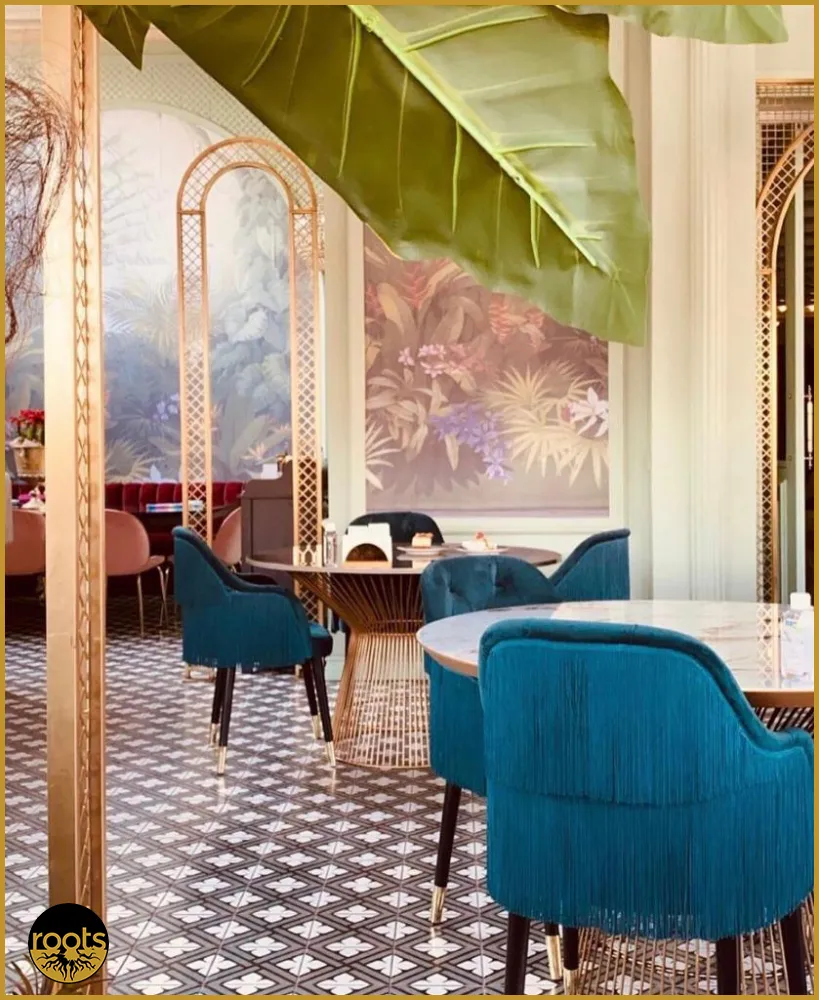
Cafe Interior Design and Design: Make Your Space a Center of Attraction
Cafe interior design is not merely an aesthetic concern but a critical element that directly affects the customer experience. A successful cafe design not only makes the space visually appealing but also enhances functionality, increases customer satisfaction and strengthens brand identity. Today, cafes stand out not only as places to drink coffee but also as spaces for socializing, working and relaxing. Therefore, the right interior design is indispensable for standing out in the competitive cafe industry.
When interior design cafe is mentioned, the first thing that comes to mind is creating an identity and atmosphere specific to the space. This covers many details, from the color palettes used to furniture selection, from lighting arrangements to the use of plants. A cafe design project aims to leave a positive impression in the mind of every individual who visits the space.
The Purpose and Importance of Cafe Design
The main purpose of a cafe design is to attract potential customers to the space and to ensure that existing customers stay longer. In doing so, the following goals are achieved:
- Improving the Customer Experience: Comfortable seating areas, correct lighting, appropriate acoustics and the overall atmosphere make customers feel comfortable and pleasant.
- Increasing Space Functionality: Efficient planning of ordering, service, seating arrangements and movement areas provides convenience for both staff and customers.
- Reflecting Brand Identity: The design should be in line with your cafe's concept, target audience and values. This supports your brand in becoming unforgettable.
- Visual Appeal and Social Media Impact: Well-designed spaces carry the potential to be shared on social media, which means free marketing.
- Revenue Increase: Satisfied customers visit more often and spend more.
Who Is Cafe Design Suitable For?
Cafe design services are ideal for the following individuals and organizations:
- Entrepreneurs Opening a New Cafe: When establishing a cafe from scratch, starting with the right design from the very beginning increases the chances of success.
- Those Who Want to Renovate Their Existing Cafe: Cafe owners who want to modernize their spaces that have become outdated over time or that reduce customer satisfaction.
- Those Who Want to Make a Concept Change: If you plan to change your cafe's concept or target audience, interior architecture will support this process.
- Those Who Want to Increase Customer Traffic: Business owners who want to attract more people and increase the appeal of the space.
- Those in the Branding Process: Businesses that want to reflect their own unique identity and style in their space.
Which Needs Does It Meet?
A comprehensive cafe interior design and design meets many fundamental needs:
- Aesthetics and Ambiance: It ensures that the space has a striking and inviting atmosphere.
- Functionality and Usability: It ensures efficient planning of customer flow, work areas, kitchen and service areas.
- Comfort and Convenience: It creates seating arrangements and areas where customers can enjoy pleasant time for long periods.
- Brand Consistency: It creates a space identity compatible with your cafe's logo, colors and overall stance.
- Cost Effectiveness: In the long term, the selection of durable materials and smart solutions helps optimize maintenance and operating costs.
In Which Situations Should It Be Preferred?
Investing in cafe design is highly logical, especially in the following situations:
- If you think your existing space does not attract enough attention.
- If you receive negative feedback from your customers about the atmosphere or comfort of the space.
- If you plan to open a new branch and want to offer a consistent brand experience.
- If you want to stand out and differentiate yourself in the industry's competition.
- If you aim to increase staff efficiency by enhancing the functionality of the space.
In What Ways Does It Differ from Alternatives?
Professional cafe design offers much more than random decoration or mere furniture selection. The main differences are as follows:
- Holistic Approach: It considers not only the appearance but the space as a whole, covering functionality, customer flow, lighting, acoustics and even scent.
- Expertise and Experience: Designers have in-depth knowledge of user psychology, ergonomics, material knowledge and industry trends.
- Tailor-Made Solutions: Each space and brand is designed specifically for its unique needs, differing from mass-production solutions.
- Long-Term Planning: It focuses not only on today's trends but on the long-term use of the space and operational efficiency.
- Risk Reduction: It protects your budget by preventing wrong investments and faulty design decisions.
Things to Consider Before Purchasing
Here are the important points to consider before receiving a cafe design service or starting a cafe project:
- Determine Your Budget: Set a clear budget covering all items such as design, construction, furniture and decoration.
- Know Your Target Audience: Knowing whom you want to appeal to is important in determining the language and style of the design. (e.g. Students, professionals, families, etc.)
- Clarify Your Concept: Modern, vintage, industrial or minimalist? What will the overall concept of your space be?
- Analyze Your Space: What are the advantages and disadvantages of the existing space? (Width, height, natural light, infrastructure, etc.)
- Communication with the Designer: Communicate openly and honestly with the designer. Explain your dream space and expectations in detail.
- Review Portfolios and References: Evaluate the style and compatibility of your chosen designer by reviewing their previous work and references.
- Contract Details: Make a clear contract on matters such as the scope of the agreed work, delivery dates and payment plan.
Comparison of Different Material Types
The materials used in cafe designs directly affect both aesthetics and functionality. Here is a comparison of some commonly used material types:
| Material Type | Durability (General) | Interior/Exterior Architectural Use | Cost (Average) | Example Areas of Use |
|---|---|---|---|---|
| Wood | Medium - High (Varies by Type) | Mainly Interior (Exterior with special treatments) | Medium - High | Table and chair surfaces, wall coverings, bar counters, floors. |
| Metal (Steel, Aluminum) | High | Interior and Exterior | Medium - High | Chair frames, lighting fixtures, table legs, decorative elements. |
| Natural Stone (Marble, Granite) | High | Interior and Exterior | High | Bar counters, floors, wall coverings, table tops. |
| Concrete (Decorative/Polyurethane) | High | Interior and Exterior | Medium | Floor coverings, wall coverings, table tops, decorative elements. |
| Ceramic/Porcelain Tile | High | Interior and Exterior | Low - Medium | Floor coverings, wall coverings, counters. |
| Glass | Medium (Fragility) | Interior and Exterior | Low - Medium | Table tops, partition walls, display cases, lighting elements. |
| Fabric (Upholstery) | Medium (Depends on Wear) | Interior | Low - High (By Type) | Armchair and chair upholstery, curtains. |
Frequently Asked Questions
Q: How long does a cafe design take?
A: Design time varies depending on the size and complexity of the project and your decision-making speed. Including concept development, project drawings and implementation phases, it usually takes between a few weeks and a few months.
Q: Is designing an existing cafe as costly as opening a new cafe?
A: Opening a new cafe is generally more costly because it involves all infrastructure and construction work from scratch. Updating the design of an existing cafe can be more economical depending on the scope of the renovation.
Q: What is the role of lighting in cafe design?
A: Lighting is one of the most important elements that determine the atmosphere of a space. The right lighting can make a space more inviting, spacious and functional. Different lighting scenarios (general lighting, accent lighting, task lighting) can be used for different areas.
Q: Why is color selection important in cafe interior design?
A: Colors can affect people's mood and behavior. For example, warm colors (red, orange) create a more energetic atmosphere, while cool colors (blue, green) leave a calmer and more relaxing effect. The selection of colors suited to your cafe's concept and target audience should be in harmony with your brand identity.
Q: How does the use of plants in your cafe affect aesthetics?
A: Plants add vitality, freshness and a natural touch to a space. They can also help improve air quality and make the space more welcoming. Plants in different sizes and types can be used to add variety to the decoration.
A successful cafe interior design is not only an aesthetic choice but also a matter of investment. A space designed with a professional approach to strengthen your venue's identity, maximize customer satisfaction and stand out in the competitive market will provide you with significant advantages in the long term.











































































