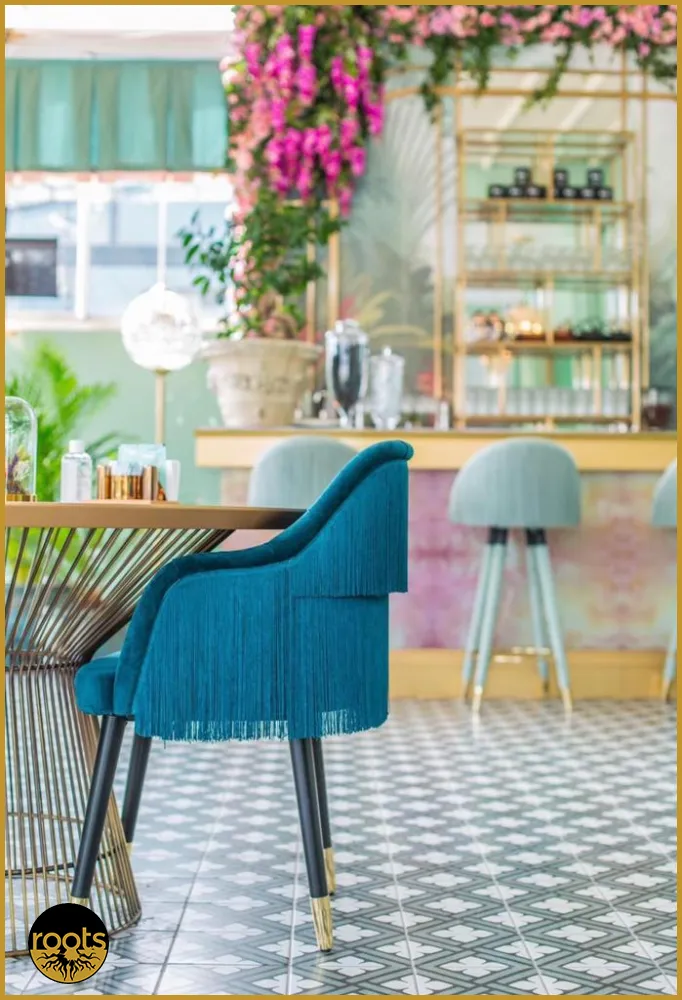
INTERIOR DESIGN CAFE DESIGNS - CAFE DESIGN: Transform Your Space
Cafe management is not only about offering delicious coffees and foods, but also about providing your guests with an unforgettable experience. One of the most important elements of this experience is the interior design of the space. An impressive and functional cafe design both increases customer satisfaction and raises the brand value of your business.
In this guide, you will find all the details that will help you create the most suitable interior design for the cafe in your mind. We aimed to answer every question that people researching the product are curious about and that affects the decision-making process.
What Is Cafe Design and Why Is It Important?
Cafe design covers all the elements that create the aesthetic appearance, functionality and atmosphere of a coffee shop. This includes many details such as furniture selection, lighting, color palette, wall decorations, floor coverings and general space arrangement. A well-designed cafe creates an inviting environment for customers, allows them to stay longer and awakens the desire to visit again.
The importance of cafe design is as follows:
- First Impression: The first impression formed when customers step into the space directly affects the rest of their experience.
- Brand Identity: The design should reflect the personality and values of your brand.
- Customer Experience: Comfortable seating areas, good flow and a pleasant atmosphere increase customer satisfaction.
- Competitive Advantage: Original designs that stand out from the ordinary distinguish you from your competitors.
- Efficiency: An arrangement where staff can work comfortably and service flow is smooth increases operational efficiency.
Who Is Cafe Interior Design Suitable For?
Cafe interior design is suitable for anyone in the following situations and with the following goals:
- Those Opening a New Cafe: Entrepreneurs who want to start from scratch and create an inviting space suitable for their brand identity.
- Those Who Want to Renovate Their Existing Cafes: Business owners who want to expand their customer base and make their old or outdated designs more attractive by updating them.
- Those Planning a Change in Target Audience: Businesses that want to appeal to a different customer profile (for example, from students to professionals or families).
- Those Who Want to Increase the Potential of the Space: Those aiming to improve seating capacity, service speed or the overall customer experience.
- Those Who Want to Create a Unique Atmosphere: Those aiming to offer not only a place to drink coffee, but also a meeting point, workspace or socializing space.
Which Needs Does It Meet?
A quality cafe interior design meets the following basic needs:
- Inviting and Comfortable Areas: It offers areas where customers can sit comfortably and spend time, rest or work.
- Effective Use of Space: It optimizes seating capacity and facilitates service flow by using narrow or large areas in the most efficient way.
- Aesthetic Appeal: It increases the recognition and attractiveness of the brand by creating a visually pleasant and memorable space.
- Functionality and Usefulness: It offers practical solutions for both customers and staff. For example, sufficient power outlets, staff corridors that allow comfortable movement.
- Creating Atmosphere: It enriches the customer experience by creating an environment suitable for a specific theme or mood.
In Which Situations Should It Be Preferred?
In the following situations, it is important to benefit from professional cafe interior design services or to apply these principles:
- Designing the Space for the First Time: Establishing a correct foundation from the start for a new cafe to be opened.
- Areas with Intense Competition: When an original and attention-grabbing design is needed to stand out from competitors and come to the fore.
- Brand Repositioning: When it is desired to refresh the image of an existing business, reach a new customer base or change the service concept.
- When Customer Complaints Are Related to the Space: When problems such as insufficient seating areas, a dark space or slow service flow are experienced.
- A New Rented or Purchased Space: When the existing features of the space need to be used in the best way and made suitable for the needs of the business.
Sample Scenario: You are going to open a new cafe near a university campus that appeals to young people. In this case, features such as energetic colors, comfortable seating arrangements suitable for group work, plenty of charging points and fast Wi-Fi should stand out. The design should create a modern and dynamic atmosphere.
In What Ways Does It Differ from the Alternatives?
Beyond a standard decoration or random furniture placement, a conscious and comprehensive cafe interior design stands out in the following ways:
- Custom Solutions: It is specially designed according to your business's concept, target audience and budget.
- Spatial Optimization: By using the space in the most efficient way, it maximizes both customer comfort and operational flow.
- Brand Integrity: It strengthens brand identity with colors, materials, furniture and decorative elements.
- Psychological Impact: Through the colors, lighting and arrangement used, it positively influences customers' mood and behavior.
- Long-Term Investment: With quality materials and conscious design, it creates a space that will last for many years and remain up to date.
Materials Used in Cafe Design and Their Features
The choice of materials used in cafe design directly affects the overall appearance, durability and cost of the space. Here are some commonly used materials and their comparisons:
| Material Type | Durability | Interior/Exterior Architectural Use | Cost (Relative) | Features |
|---|---|---|---|---|
| Wood (Solid, MDF, Plywood) | Medium - High (Depends on varnish and maintenance) | Generally Interior | Medium - High | Natural, warm, aesthetic. May be sensitive to scratching and water. |
| Metal (Steel, Aluminum, Iron) | High | Interior and Exterior | Medium - High | Industrial, modern look. Coating may be required against rust. |
| Natural Stone (Marble, Granite) | Very High | Interior and Exterior | High | Luxurious, prestigious look. It is heavy and may require maintenance against staining. |
| Concrete / Industrial Floors | High | Interior and Exterior | Low - Medium | Minimalist, modern, durable. May feel cold; extra insulation may be required. |
| Ceramic / Porcelain Tile | High | Interior and Exterior | Low - Medium | Various pattern and color options, easy to clean. Resistant to moisture. |
| Glass (Tempered, Laminated) | Medium - High (Depends on quality) | Interior and Exterior | Medium | Provides a sense of transparency and spaciousness. May require special safety standards. |
Things to Consider Before Purchasing
Before starting a cafe design project or receiving services in this field, it is important to pay attention to the following points:
- Budget Determination: Creating a realistic budget will influence all decisions from material selection to furniture.
- Target Audience Analysis: Knowing who you want to appeal to determines the style and functionality of the design. (e.g., Students, families, business people)
- Space Analysis: The physical characteristics of the existing space (area, light, height, etc.) and its constraints should be taken into consideration.
- Brand Identity: It is critical that the design reflects your brand's values, vision and story.
- Functionality and Flow: Operational details such as customer flow, staff movement areas and service points should not be neglected.
- Material Selection: The right materials should be selected by considering the balance of durability, ease of maintenance, aesthetics and cost.
- Lighting Plan: Both general lighting and accent lighting greatly affect the atmosphere of the space.
- Furniture Selection: Comfortable, durable and space-appropriate furniture should be preferred.
- Legal Requirements: Legal standards such as fire safety and accessibility (disabled ramps, etc.) must be complied with.
- Long-Term Vision: Consideration should be given to how adaptable the design can be to possible future changes.
Frequently Asked Questions (FAQ)
Color choice varies depending on the atmosphere to be created and the target audience. While warm colors (red, orange) create an energetic and appetite-stimulating environment, blue and green tones provide calmness and peace. Neutral colors (beige, gray, white) offer a more modern and sophisticated look. It is important to choose colors that are compatible with your brand identity.
In small spaces, light colors, the use of mirrors, vertical storage solutions and multi-purpose furniture can be preferred to make the space appear larger. Seating arrangements should be flexible for both individuals and small groups and should not narrow the center of the space. A good lighting plan also makes the space feel more spacious.
The cost of professional design services varies depending on the designer's experience, the size of the project, the complexity of the space and the scope of the service offered. Generally, a designer may initially charge a discovery and concept development fee, and then may bill separately for different stages of the project or set a fixed project fee. It is recommended that you get quotes from several designers to clarify costs in advance.
Current trends include the use of natural and sustainable materials, green areas enriched with plants (urban jungle look), industrial and minimalist aesthetics, geometric patterns, customizable and modular furniture, the use of different textures together and the creation of "social media friendly" corners. However, while following trends, it is important not to ignore your business's long-term vision and its compatibility with your target audience.
Lighting is one of the most critical elements that create the cafe atmosphere. The layered lighting approach is the most effective: general lighting (ceiling-mounted fixtures), task lighting (pendants above tables or reading lamps), and accent lighting (spotlights that highlight decorative objects or walls). Warm white light tones (2700K-3000K) generally create a more inviting and comfortable atmosphere. Adjustable lighting levels provide flexibility for different times of day and events.
You can contact us to get more information about cafe interior design solutions that will maximize your business's potential.











































































