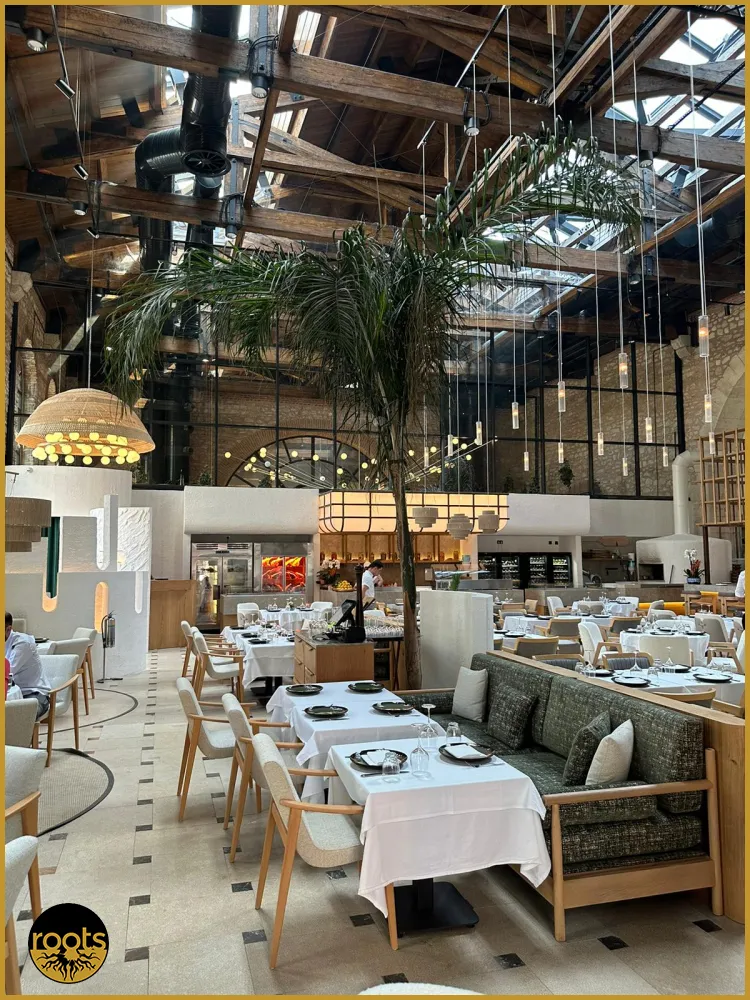
LUXURY RESTAURANT DECORATIONS - RESTAURANT INTERIOR DESIGNS: Design That Reflects Your Venue's Identity
In a restaurant's success, the atmosphere it offers to its guests undoubtedly plays as big a part as the flavors it serves. In particular, luxury restaurant decorations and restaurant interior designs are not merely an aesthetic concern but strategic elements that reflect the brand's identity and enable guests to have unforgettable experiences. In this comprehensive guide, you will find many details, from how to choose the right interior design for your restaurant to material preferences.
What Is Luxury Restaurant Interior Design and Why Is It Important?
Luxury restaurant interior design is an environment created by bringing together high-quality materials, carefully selected color palettes, sophisticated lighting solutions and comfortable furniture, making guests feel special and privileged. Such designs:
- Elevate the Customer Experience: An aesthetically satisfying and comfortable environment allows guests to stay longer, enjoy themselves more and leave satisfied.
- Strengthen Brand Identity: The design reflects your restaurant's concept, the cuisine it offers and its overall style, increasing brand recognition and prestige.
- Provide a Competitive Advantage: In the highly competitive restaurant sector, a standout design sets you apart from others.
- Offer a Sensory Experience: It does not only appeal to the eye but also creates a holistic experience with elements such as tactile richness, attention to acoustics and pleasant scents.
Who Is It Suitable For?
Luxury restaurant decorations and interior designs are primarily ideal for the following types of businesses:
- Fine-dining restaurants
- Michelin-starred or candidate restaurants
- High-end venues for private invitations and events
- High-level guest hosting venues of corporate companies
- Gourmet restaurants within hotels
- Venues appealing to a specific niche audience with a higher price segment
Which Needs Does It Meet?
Such designs meet the following requirements beyond basic needs:
- Prestige and Reliability: A venue's having a luxurious and meticulous design increases trust in the business.
- Privacy and Comfort: Comfortable seating arrangements, sound insulation and private areas ensure guests feel comfortable and privileged.
- Aesthetic Satisfaction: A striking and harmonious design meets guests' visual expectations.
- Functionality: Along with aesthetics, operational needs such as the smooth flow of service and facilitating coordination between the kitchen and service are also taken into consideration.
- Brand Consistency: Creating an atmosphere consistent with the quality of service the restaurant offers.
In Which Situations Should It Be Preferred?
Such designs can be preferred in any situation where your restaurant has set a luxury concept, reaches a target audience with high expectations or wants to increase your brand's prestige. They are especially ideal for creating the right first impression during the opening phase, raising brand value during renovation periods and standing out in competition.
Material Selection: Durability, Aesthetics and Cost
The materials used in luxury restaurant designs are of great importance in terms of both aesthetic appearance and longevity. Different material types may vary according to their areas of use and costs.
| Material Type | Durability | Indoor Use | Exterior Architecture (Limited) | Cost |
|---|---|---|---|---|
| Natural Stone (Marble, Granite, etc.) | Very High | Flooring, countertops, wall cladding, table surfaces | Flooring, facade cladding (suitable types) | High |
| Solid Wood | High | Flooring, wall panels, furniture, bar counter | Decking, outdoor furniture (specially treated) | Medium - High |
| High-Quality Leather | High | Armchairs, chairs, wall sconces | (Generally not used) | High |
| Stainless Steel | Very High | Kitchen equipment, bar details, lighting fixtures | Facade details, outdoor furniture | Medium - High |
| High-Quality Fabrics (Velvet, Silk, etc.) | Medium - High | Curtains, upholstery fabrics, decorative elements | (Generally not used) | Medium - High |
| Decorative Metal (Brass, Copper, etc.) | High | Lighting, accessories, furniture details | (Generally not used) | High |
| Porcelain and Ceramic (Large Formats) | High | Flooring, walls, countertops | Flooring (suitable types) | Medium |
Aspects That Differentiate from Alternatives
Luxury restaurant designs are distinguished from standard interior designs in the following aspects:
- Material Quality: Instead of the general materials used in standard spaces, high-quality and durable materials such as natural stone, solid wood, specially textured fabrics and first-class metals are preferred.
- Detail Focus: In every corner, every piece of furniture, every lighting fixture, the importance given to fine craftsmanship and details is at the highest level.
- Personalized Solutions: Instead of generic solutions, furniture, lighting arrangements and decorative elements specially designed for the restaurant's concept and brand identity are used.
- Lighting Strategy: Lighting not only illuminates the space but also shapes the atmosphere, defines highlights and creates an emotional effect. Multiple lighting layers are used.
- Acoustic Management: Special acoustic solutions are integrated to prevent sound reverberation and minimize disturbing noise so that guests can converse freely.
- Artistic Touches: Artistic value is added with paintings, sculptures or specially designed objects that bring uniqueness to the space.
Things to Consider Before Purchasing
Paying attention to the following points before investing in luxury restaurant decoration and interior design directly affects the success of the project:
- Get Professional Support: Working with an experienced interior architect or design office plays a critical role in turning your vision into reality.
- Determine Your Concept: Create a design concept that is in harmony with the type of cuisine your restaurant will offer, the target audience and the brand identity.
- Evaluate the Physical Characteristics of the Space: The size, height, daylight exposure and existing structural elements of the space directly affect the design process.
- Clarify Your Budget: Since quality materials and labor costs can be high, make a detailed budget plan.
- Question Material Quality: Get detailed information about the durability, ease of maintenance and aesthetic appearance of the materials to be used.
- Review the Lighting Plan: Check whether there is a functional and aesthetic lighting plan that allows for creating different ambiances.
- Prioritize Ergonomics and Comfort: The comfort of the furniture, table spacing and the usability of general circulation areas are essential for guest satisfaction.
- Check References: Evaluate the style compatibility and work quality by examining the previous luxury restaurant projects of the designer or implementation company.
Frequently Asked Questions (FAQ)
In Conclusion
Luxury restaurant decorations and interior designs not only create visually pleasing spaces, but are also a strategic investment that increases the value of your business, strengthens customer loyalty and distinguishes you from competitor companies. With the right concept, quality material selection, professional support and attention to detail, your restaurant will become a point of unforgettable experience for your guests.











































































