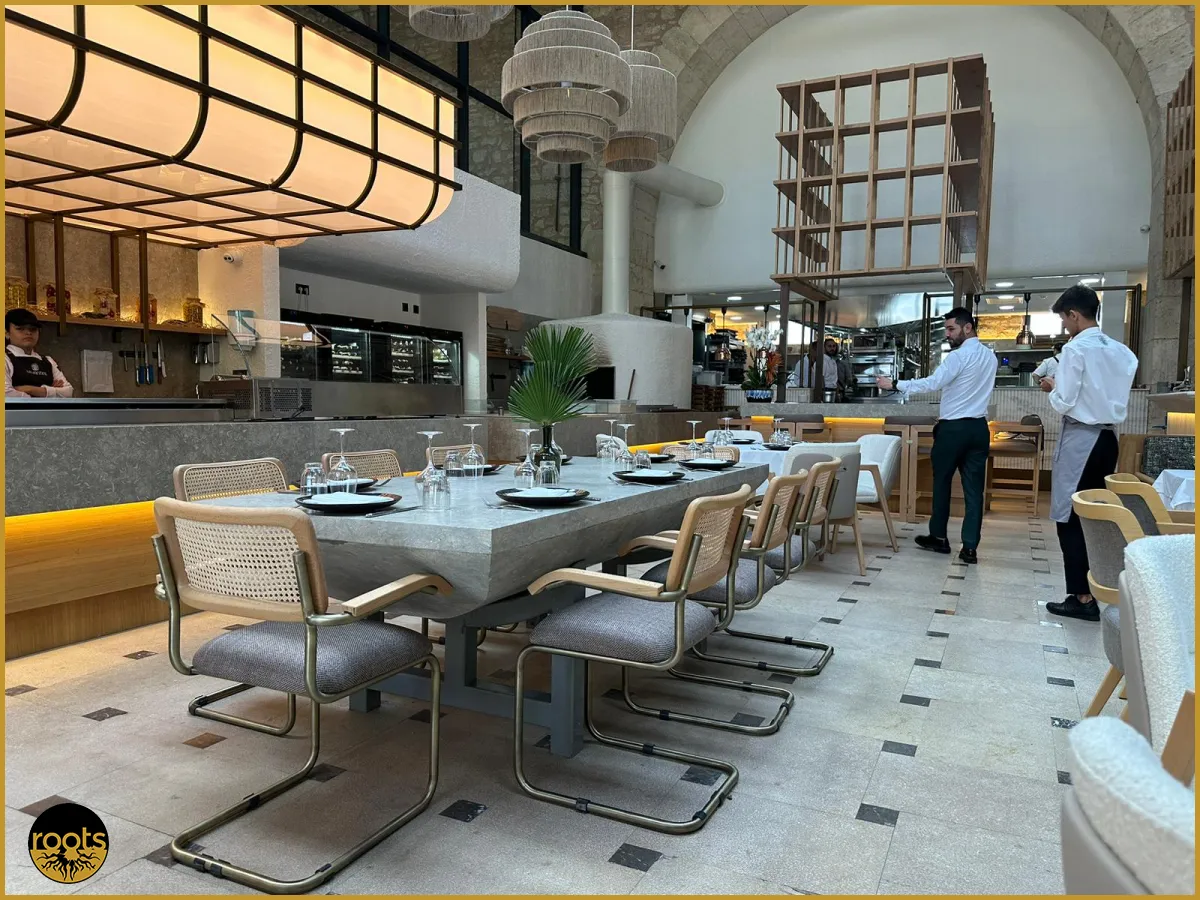
LUXURY RESTAURANT DECORATIONS - RESTAURANT INTERIOR DESIGNS: Add Value to Your Space
In the success of a restaurant, the atmosphere it offers plays a major role alongside delicious food. To ensure your guests have an unforgettable experience, to attract them to your venue again and again, and to strengthen your brand perception, luxury restaurant decorations and carefully designed interiors are of critical importance. In this comprehensive guide, you will find all the details to help you make the right decoration and design decisions for your restaurant.
Luxury restaurant decorations and interior designs aim to maximize the overall ambiance, aesthetics and functionality of the space. In this process, the selected color palettes, lighting solutions, furniture choices, material quality and artistic touches come together to offer your guests a comfortable, inviting and sophisticated environment. The goal is not only to create an area where food is eaten, but also to create an experience space.
- Improves Customer Experience: An aesthetically pleasing and comfortable environment offers your guests a pleasant dining experience, which increases their satisfaction.
- Strengthens Brand Image: A luxurious and meticulous design sends a positive message about the quality and prestige of your restaurant.
- Provides a Competitive Advantage: It helps you stand out from other venues in the sector and make a difference.
- Increases the Functionality of the Space: A good design ensures both that your staff work comfortably and that guest flow is smooth.
- Creates an Impact on Social Media: Aesthetically striking venues are frequently shared by guests, which provides natural marketing.
Luxury restaurant decorations and interior designs are ideal for businesses with the following goals:
- Fine-Dining Restaurants: Venues offering a high-level gastronomy experience.
- Thematic and Concept Restaurants: Venues shaped around a specific story or theme.
- Boutique Hotel Restaurants: Restaurants that complement the hotel's overall luxury concept.
- Corporate Event Venues: Those who want to offer elegant environments for private receptions and events.
- Cafes and Bistros: Those who want to create a simpler but stylish atmosphere.
- Terrace and View Restaurants: Those looking for designs that complement and highlight natural beauty.
Luxury restaurant designs respond to a range of needs:
- Visual Appeal: It ensures the venue is eye-catching from the outside and inside.
- Customer Comfort: It ensures guests are comfortable with comfortable seating arrangements, appropriate climate control and acoustic arrangements.
- Functionality: It ensures that elements such as service areas, kitchen access, restrooms and guest traffic are practical and efficient.
- Creating Atmosphere: It creates an atmosphere that reinforces the identity of the venue and the experience it offers.
- Durability and Sustainability: It aims to use materials that are long-lasting and require easy maintenance in high-traffic areas.
Luxury restaurant decorations and interior designs should be preferred in the following situations:
- When Opening a New Restaurant: To make a strong first impression by defining your brand identity and target audience.
- When Renovating an Existing Venue: To modernize a venue that has aged, become outdated or no longer appeals to your target audience.
- To Make a Difference in a Competitive Market: To stand out from your competitors and attract attention.
- To Increase Customer Satisfaction: To win the loyalty of your guests by offering them a unique and unforgettable experience.
- To Increase the Value of the Space: To positively affect the return on your investment and raise the value of the property.
Luxury restaurant designs differ from other general or ordinary decoration approaches in the following ways:
- Material Quality and Selection: Generally, higher quality, durable and aesthetically superior materials are used.
- Importance Given to Details: From lighting fixtures to floor patterns, from table accessories to wall art, every detail is carefully selected and made compatible with one another.
- Personalized Approach: Fully original solutions are offered by taking into consideration each restaurant's unique concept, identity and target audience.
- Balance of Comfort and Functionality: Along with aesthetic concerns, a flawless balance is established between the comfort of guests and staff and the functionality of the space.
- Professional Touch: It is generally planned and implemented by architects, interior architects and designers, which guarantees a professional result.
The materials used in luxury restaurant designs are of great importance both aesthetically and functionally. The following table compares some commonly used material types on the axis of durability, area of use and cost:
| Material Type | Durability | Area of Use (Indoor/Outdoor) | Cost | Features |
|---|---|---|---|---|
| Natural Stone (Marble, Granite, etc.) | Very High | Indoor and Outdoor (Cladding, Countertop, Floor) | High | Elegant, Natural, Durable, Can Stain (Depending on surface treatment) |
| Solid Wood | High | Indoor (Furniture, Floor, Wall Cladding) | Medium-High | Warm, Natural, Aesthetic, May Require Maintenance |
| Metal (Stainless Steel, Brass, Bronze) | Very High | Indoor and Outdoor (Decorative Elements, Furniture Legs, Lighting) | Medium-High | Modern, Industrial, Stylish, Corrosion Resistant (Depending on Type) |
| Glass (Tempered, Laminated) | Medium-High | Indoor and Outdoor (Door, Window, Partition, Tabletop) | Medium | Light Transmitting, Gives a Feeling of Spaciousness, Safe Against Breakage (Depending on Treatment) |
| High Quality Fabrics (Velvet, Leather, etc.) | Medium | Indoor (Furniture Upholstery) | Medium-High | Comfortable, Gives a Feeling of Luxury, Requires Maintenance |
| Ceramic and Porcelain | High | Indoor and Outdoor (Floor, Wall Cladding) | Low-Medium | Durable, Easy to Clean, Wide Pattern Options |
Before investing in luxury restaurant decorations and interior designs, it is important to pay attention to the following points:
- Know Your Target Audience: Determine who your venue appeals to. The design should suit the expectations and lifestyle of your target audience.
- Define the Concept of the Venue: Create a design concept that is in harmony with the type of cuisine your restaurant offers, its overall atmosphere and brand identity.
- Get Professional Support: Working with an experienced interior architect or designer ensures you get the best results in terms of both aesthetics and functionality.
- Determine Your Budget: Create a realistic budget for the design and implementation process. Look for ways to optimize costs without compromising on quality.
- Consider the Dimensions and Features of the Venue: The physical characteristics of the venue (ceiling height, daylight exposure, columns, etc.) will directly affect the design.
- Lighting Planning: Both general lighting and ambient lighting play a critical role in determining the atmosphere of the venue. Consider different lighting scenarios.
- Acoustic Arrangement: Keeping noise levels under control is vital for the guest experience. Sound insulation and absorbent materials can be used.
- Ergonomics and Comfort: Ergonomic elements such as seating arrangements, table heights and chair comfort should not be overlooked.
- Ease of Maintenance: The cleaning and maintenance of the selected materials and furniture affect costs and appearance in the long term.
- Flexibility: Designs that offer the possibility of making small adjustments to the layout of the venue for different events or seasonal changes may be preferred.
Luxury restaurant decorations and interior designs are a strategic investment that directly affects the success of your business, beyond being merely an aesthetic concern. With the right planning, quality materials, a professional perspective and a guest-focused approach, you can transform your venue into an unforgettable experience center.











































































