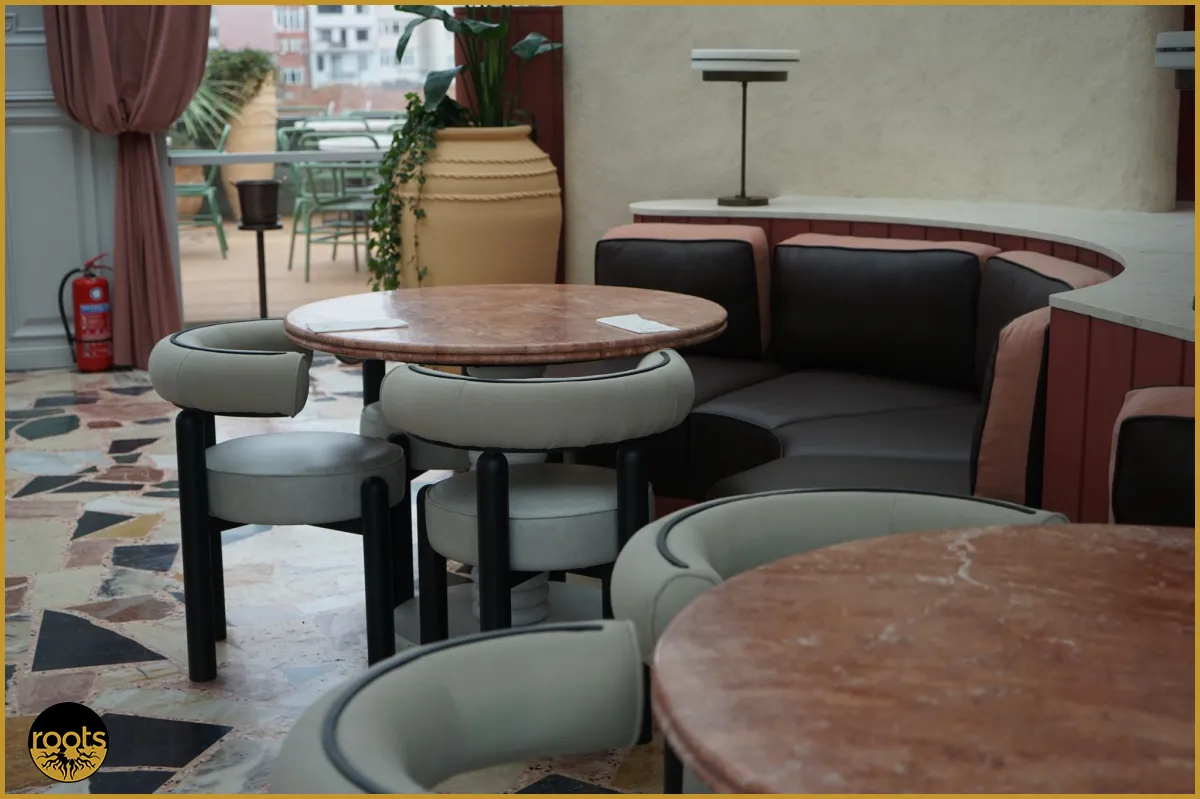
Aesthetics and Functionality in LUXURY RESTAURANT DECORATIONS - RESTAURANT INTERIOR DESIGNS
The success of a restaurant is directly related to the spatial experience it promises its guests as much as the quality of the menu it offers. Luxury restaurant decoration is not merely bringing together expensive furniture; it is the presentation of light, sound, scent and ergonomics in harmony. The design process is the most fundamental element that determines the identity of the space and forms the first impression of potential customers the moment they walk through the door.
A high-level interior design gives the target audience of the business the message "you will feel special here". In such projects, operational efficiency as well as aesthetic concerns must be taken into consideration. The service routes of the waiters, the flow between the kitchen and the dining hall, and the privacy distances of the tables constitute the technical details of the design.
Who Is Luxury Design Suitable For and Why Should It Be Preferred?
These designs are suitable for business owners who want to elevate their brand value, restaurants serving with a fine-dining concept, and investors aiming to offer their guests more than an ordinary meal. The reasons for choosing a luxury interior are as follows:
- Brand Prestige: The design of the space determines the position of your brand in the market.
- Customer Loyalty: Guests who spend time in a comfortable and aesthetic environment are much more likely to return.
- Social Media Visibility: "Instagrammable" corners and unique design details create a natural source of advertising.
- Pricing Strategy: The quality of the space makes it easier to support the service offered with premium prices.
Material Selection and Comparison in the Design Process
The materials used in a luxury restaurant must be both visually rich and durable against heavy usage traffic. Material selection directly affects the balance between cost and longevity.
| Material Type | Durability | Area of Use | Cost Level |
|---|---|---|---|
| Natural Marble | High (Regular Maintenance Required) | Floor, Bar Top, Table | High |
| Solid Wood (Walnut/Oak) | Medium-High | Panel cladding, Furniture | Medium - High |
| Brass and Metal Details | Very High | Lighting, Decorative Slats | Medium |
| Velvet and Leather Upholstery | Medium (Comfort-Oriented) | Booths and Chairs | Variable |
Key Elements to Consider During the Decision-Making Phase
Evaluating the following criteria before starting a design project or purchasing a ready-made design is critical in terms of return on investment (ROI):
- Acoustic Comfort: Noise pollution is unacceptable in a luxury space. Sound-absorbing panels or textile products must definitely be considered in ceiling and wall designs.
- Lighting Hierarchy: Instead of general lighting; focused lights specific to each table and hidden LED details that increase the depth of the space should be preferred.
- Circulation Plan: A layout plan should be made that will not disturb the comfort of customers and will not obstruct waiter traffic.
- Material Quality: The texture of the surfaces that are touched (such as table tops, chair armrests) is the most important sensory detail that reinforces the perception of luxury.
What Is Its Difference from Alternative Design Approaches?
While standard restaurant designs generally target maximum capacity, luxury restaurant designs target maximum experience. Its biggest difference from its alternatives is the craftsmanship in the details. The use of custom-made products instead of ready-made furniture adds a unique spirit to the space. In addition, "the power of empty space" is used in luxury designs; instead of filling every place, spacious and breathing areas are at the forefront.
Frequently Asked Questions
1. What is the average lifespan of a luxury restaurant decoration?
A design built with quality materials and a timeless style can remain current for 8 to 12 years. However, renovation may be required every 3-5 years in areas such as textiles and paint.
2. Which color palettes enhance the perception of luxury in design?
Dark anthracite tones, deep navy blues, emerald green and earth tones; when combined with gold or brass details, create a rich and sophisticated atmosphere.
3. Is it possible to achieve a luxurious look in small spaces?
Yes. In small spaces, a boutique and luxurious "speakeasy" vibe can be created through the use of mirrors, vertical-lined designs and a minimalist yet high-quality material selection.
4. What should be considered when choosing lighting?
The color of the light must be warm (2700K - 3000K). Dimmable (adjustable light intensity) systems are a must to change the mood of the space according to different times of the day.
In conclusion, restaurant interior designs determine not only the physical appearance of a business but also the success of its business model. A properly planned luxury decoration; by positioning itself at the intersection of aesthetics, comfort and functionality, takes your brand one step ahead.











































































