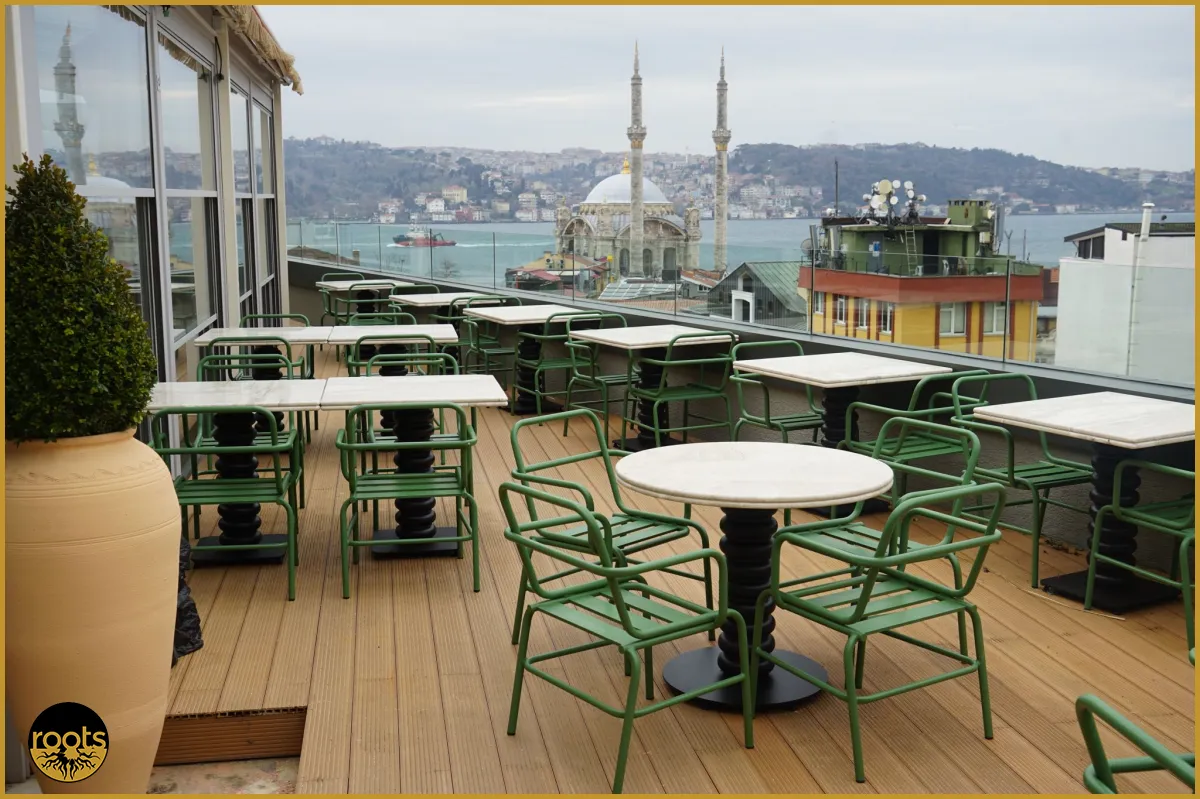
Harmony of Aesthetics and Functionality in Luxury Restaurant Decorations
Success in the world of gastronomy is directly related not only to the flavor of the food served but also to the atmosphere in which the guest is present. Luxury restaurant decorations are a strategic process that reflects the brand's identity, elevates comfort to the highest level and promises guests an unforgettable experience. This process is not merely about furniture placement; it is an engineering and art discipline in which light, color, texture and acoustics are handled as a whole.
The Role of Interior Design in Business Success
A restaurant's interior design is the first message given to the target audience. While a dignified and sophisticated design is required for a business with a fine-dining concept, more energetic and dynamic lines may be preferred for a modern bistro. The main purpose of luxury design is to ensure that the guest feels privileged from the moment they step into the venue. A well-planned space increases operational efficiency while also optimizing service flow.
Types of Materials Used and Comparative Features
The materials used in a luxury interior must be both durable and visually satisfying. The following table summarizes the features of materials frequently preferred in restaurant projects:
| Material Type | Durability | Area of Use | Cost Level |
|---|---|---|---|
| Natural Marble | High (Regular Maintenance Required) | Bar counter, Floor, Wall Panels | High |
| Solid Wood (Walnut/Oak) | Medium-High | Tables, Ceiling Details, Partitions | Medium - High |
| Velvet and Leather Upholstery | Medium (Delicate Cleaning) | Booths, Chairs | Medium |
| Brass and Metal Components | Very High | Lighting fixtures, Decorative slats | High |
Key Elements That Distinguish Luxury Design from Others
The most distinctive difference between an ordinary interior design and a luxury restaurant design is the importance given to details. The following elements stand out in luxury designs:
- Personalized Lighting: Layered lighting systems that define the focus of each table, do not cause glare but add depth.
- Acoustic Comfort: An environment where conversations do not blend into one another and sound-absorbing panels are combined with aesthetics.
- Ergonomics: Furniture selections that not only look stylish but also support comfort during long sittings.
- Diversity of Texture: A balanced use of matte and glossy surfaces, soft fabrics and hard natural stones together.
Critical Points to Consider in the Design Process
It is recommended that business owners in the investment phase consider the following points in their decision-making process:
- Compatibility with Brand Identity: The design must not conflict with the culinary culture. The color palette used in a seafood venue and a steakhouse design should trigger different emotions.
- Operational Traffic: The balance between the distance from the kitchen to the service area, the movement area of the waiters and the privacy of the guests must be well established.
- Sustainability and Maintenance: As important as the aesthetic value of the selected materials is how much resistance they will show to intensive use over many years.
- Lighting Scenarios: Investment should be made in automation systems that will create the atmosphere difference between daytime service and evening service.
Frequently Asked Questions
What is the most important element for a luxury restaurant design?
The most important element is "balance." Balancing showiness with comfort, light with shadow, operational speed with guest comfort gives the venue its true feeling of luxury.
Can a luxury atmosphere be created in small spaces?
Yes. In small areas, a boutique and highly luxurious atmosphere can be created with vertical designs, the use of mirrors that add depth and custom-made furniture.
How should budget planning be done during the decoration process?
A large portion of the budget should be allocated to permanent elements such as flooring, kitchen infrastructure and lighting; decorative accessories should then be built on this foundation.
Result-Oriented Design Choices
The interior of a restaurant should make guests feel that the bill they pay is not only for the food, but also for the experience of being in that environment. Professional interior architectural touches increase the occupancy rate of the venue while also raising its social media shareability (Instagrammability), creating a natural advertising effect. A restaurant built with the right material, the right light and the right layout plan stands out from its competitors and strengthens its place in the industry.











































































