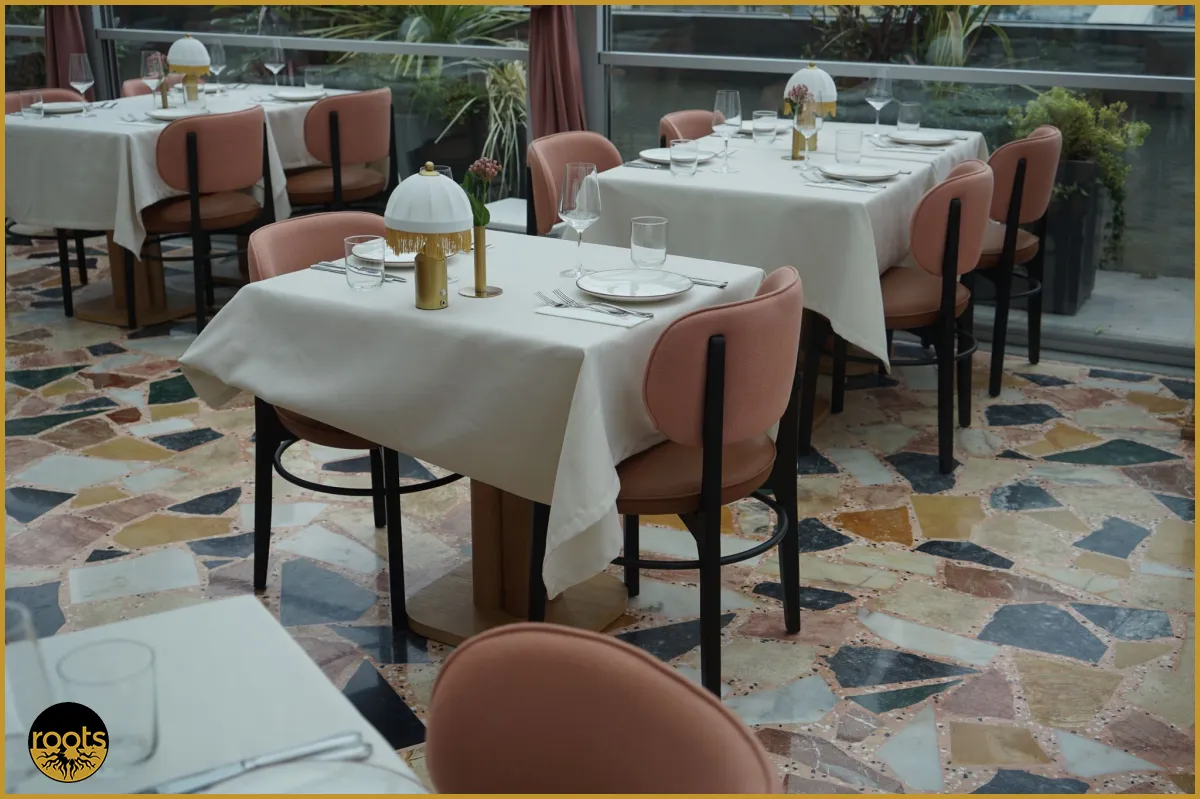
LUXURY RESTAURANT DECORATIONS - RESTAURANT INTERIOR DESIGNS: Add Value to Your Space
In the success of a restaurant, not only the flavors it offers but also its atmosphere and design play a major role. In particular, luxury restaurant decorations are the key to offering your guests an unforgettable experience. Your restaurant's interior design should reflect your brand identity, prioritize comfort and be aesthetically superior.
Creating a luxury restaurant does not mean merely using expensive materials. With careful planning, the selection of the right color palette, the strategic use of lighting and the meticulous choice of furniture, it is possible to design a flawless space. The goal is to impress your guests from the moment they step inside, to put them at ease and make them feel special.
Why Is Restaurant Interior Design Important?
A restaurant's interior design forms the foundation of the customer experience. A well-designed space:
- Increases customer loyalty.
- Strengthens brand perception.
- Can raise the average spending amount.
- Provides free promotion by increasing social media sharing potential.
- Positively affects employee motivation and productivity.
What to Consider in Luxury Restaurant Decorations
For a successful luxury restaurant decoration:
- Defining the Concept: The overall theme and style of the space should be clarified. Many different concepts such as classic, modern, minimalist, industrial or rustic can be applied.
- Color Palette: Soothing, sophisticated colors that make the space appear larger can be preferred. Colors such as gold, bronze, dark navy, burgundy and emerald green reinforce the perception of luxury.
- Lighting Design: Lighting plays a critical role in determining the atmosphere of the space. Warm-toned, dimmer-controlled and layered lighting solutions should be preferred. A combination of spotlights, chandeliers and table lamps can be effective.
- Material Selection: High-quality and durable materials directly reflect the feeling of luxury. Textures such as wood, marble, metal details, velvet or silk can be used.
- Furniture Selection: Ergonomic, comfortable and aesthetically appealing furniture should be preferred. Table and chair heights, seating arrangement and suitability to the flow of the space are important.
- Acoustic Arrangement: A calm and comfortable conversation environment is important in a luxury setting. Noise control can be achieved by using sound-absorbing panels, carpets and acoustic curtains.
- Details: Artworks, plants, custom-designed accessories and high-quality textiles complete the character of the space.
Who Is It Suitable For?
Luxury restaurant decorations and interior designs are ideal for the following businesses:
- Fine dining restaurants
- Restaurants of boutique hotels
- Private event venues
- Prestigious restaurants in city centers
- Innovative operators who want to raise their own brand value
Which Needs Does It Meet?
A luxury restaurant design goes beyond mere aesthetic concern and meets a number of important needs:
- Customer Satisfaction: It increases overall satisfaction by ensuring that guests feel special and comfortable.
- Brand Positioning: It creates an image that reflects the service quality and pricing offered by the restaurant.
- User Experience: Elements such as the spaciousness of the space, its lighting and seating arrangement directly affect the customer's experience within the restaurant.
- Social Sharing Potential: Aesthetically striking spaces are frequently shared on social media, which creates an organic marketing effect.
- Operational Convenience: A properly designed kitchen and service area allows employees to work more efficiently.
In Which Situations Should It Be Preferred?
Luxury restaurant designs should especially be preferred in the following situations:
- If your target audience consists of customers in the high-income group or those seeking special experiences.
- If you want to stand out from your restaurant's competitors and create a distinct difference.
- If you aim to increase your brand value in the long term and build a sustainable customer base.
- If you want to be a venue preferred for special occasions, celebrations or business dinners.
In What Ways Does It Differ from Its Alternatives?
Luxury restaurant decorations differ from standard or economical designs in the following ways:
- Material Quality: Superior, durable and aesthetically rich materials are used.
- Workmanship and Details: Fine workmanship, custom design solutions and eye-catching details come to the fore.
- Atmosphere and Experience: Beyond being just a place to eat, it aims to offer a lifestyle and an unforgettable experience.
- Costing: It generally requires a higher budget, but the value offered increases in parallel.
- Concept Consistency: All design elements are in flawless harmony with the defined luxury concept.
Comparison of Different Material Types
The main materials used in restaurant decoration and their features:
| Material Type | Durability | Interior/Exterior Architectural Use | Cost (Relative) | Aesthetic Impact |
|---|---|---|---|---|
| Natural Stone (Marble, Granite) | High | Interior (countertop, floor, wall) / Limited Exterior | High | Elegant, Noble, Natural |
| Solid Wood | Medium-High (requires maintenance) | Interior (furniture, floor, wall cladding) | Medium-High | Warm, Natural, Classic/Modern |
| Metal (Stainless Steel, Brass, Bronze) | High | Interior (details, furniture, lighting) / Exterior | Medium | Modern, Industrial, Luxury Details |
| High-Quality Fabrics (Velvet, Silk, Leather) | Medium (depends on use) | Interior (upholstery, curtains) | Medium-High | Luxurious, Comfortable, Soft Touch |
| Ceramic and Porcelain | High | Interior (floor, wall) / Exterior | Low-Medium | Various Pattern and Color Options |
What Should Be Considered Before Purchasing?
Important points to consider before purchasing luxury restaurant decoration products or design services are as follows:
- Get Professional Support: Working with an interior architect or designer makes it easier for your project to succeed.
- Determine a Budget: Create a realistic budget and stick to it.
- Space Analysis: The physical characteristics of the space (area, light, potential problems) must be well analyzed.
- Know Your Target Audience: Make sure the design is suitable for the expectations of the customer base you are targeting.
- Durability and Maintenance: Pay attention to ensuring that the materials to be used are long-lasting and easy to clean.
- Functionality: Do not ignore the functionality of the space as much as its aesthetics. Elements such as service flow and customer comfort are important.
- Examine Examples: Get inspired and gain ideas by examining successful projects with similar concepts.
- Warranty and Service: Learn the warranty conditions and after-sales support for the products or services you will purchase.
Frequently Asked Questions
Question: What would be the cost of having a luxury restaurant decoration done?
Answer: The cost varies greatly depending on the size of the space, the quality of the materials selected, the complexity of the design and whether professional services are used. Rather than giving a general range, it would be more accurate to evaluate a specific project. However, it should not be forgotten that the luxury segment generally requires a higher budget than standard decorations.
Question: Are small touches alone enough to change the atmosphere of a space?
Answer: Yes, in some cases even small touches can significantly change the atmosphere of a space. The right lighting elements, a few quality accessories, new tablecloths or decorative plants can bring a new breath to the space. However, a more comprehensive design planning may be required for a fully luxurious transformation.
Question: Which lighting types are more suitable for luxury restaurants?
Answer: Luxury restaurants generally prefer warm-toned, dimmable and multi-layered lighting systems. For large spaces, elegant chandeliers, focused table lamps on tables, wall sconces that create ambiance and decorative spotlights can be used. Lighting should highlight the warmth, intimacy and splendor of the space.
Question: How can I reflect a specific brand identity in my restaurant?
Answer: To reflect brand identity, all elements such as the color palette, logo usage (subtle or prominent), furniture styles, artworks and menu design must be compatible with each other. For example, a modern and minimalist brand uses geometric forms and plain colors, while a classic and sophisticated brand can be designed with rich textures and traditional elements.
A restaurant's interior design not only offers a visual feast, but also directly affects the quality of the experience you offer your guests. A luxurious and aesthetic design increases your restaurant's brand value and creates an ideal environment for them to accumulate unforgettable memories.











































































