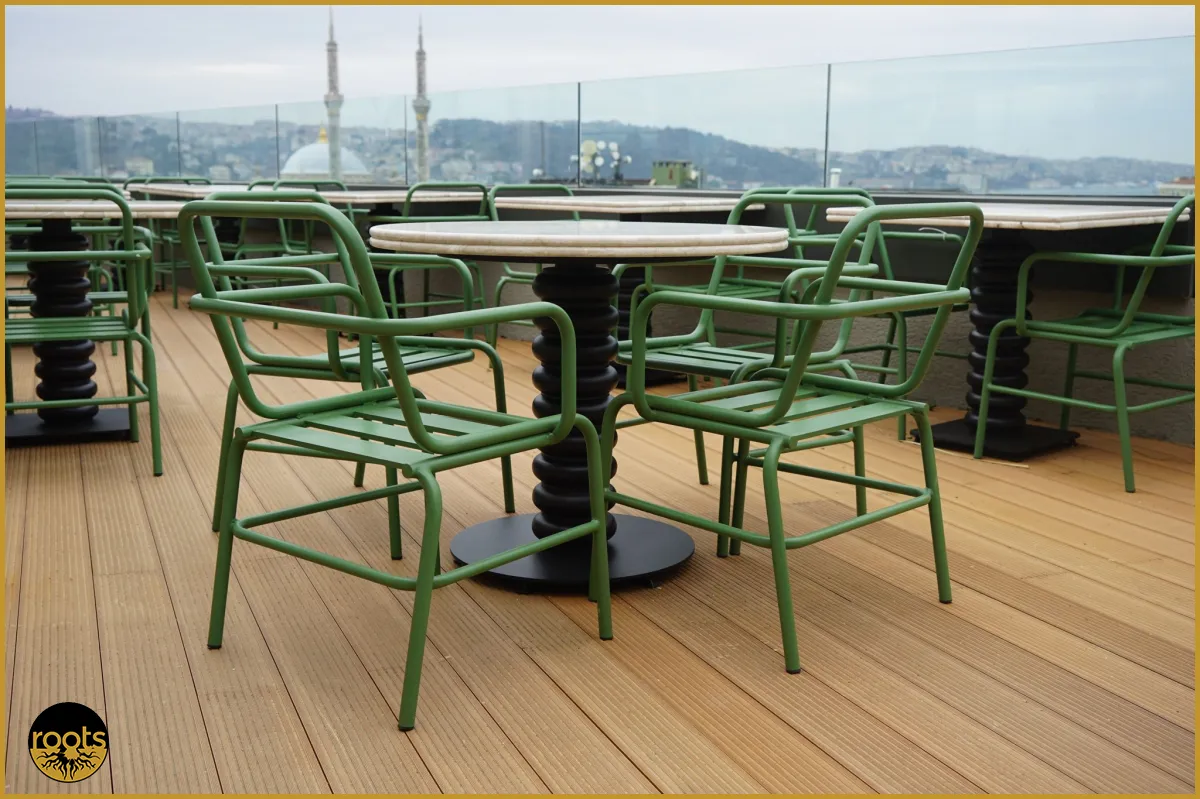
Luxury Restaurant Decorations and Interior Designs
In the success of your restaurant, the atmosphere of the venue and the experience it offers play a critical role as much as the flavors you serve. Luxury restaurant decorations not only address aesthetic concerns but also offer an unforgettable journey for your guests. A professionally designed interior reflects your brand's identity, builds brand loyalty, and encourages guests to spend more time in your venue.
This comprehensive guide addresses every aspect of luxury restaurant decorations and interior designs, helping you make the right decisions for your venue. The information we provide covers a wide range, from understanding what the product is to determining who it is suitable for and which needs it meets.
What Is Luxury Restaurant Decoration and Why Is It Important?
Luxury restaurant decoration is a comprehensive interior design approach applied by venues aiming to offer an upper-segment dining experience, in order to attract guests, make them feel special, and reflect the brand's prestige. This process includes the selection of the right color palettes, the use of quality materials, custom lighting solutions, ergonomic and aesthetic furniture, artistic touches, and the optimization of the venue's overall flow. At the heart of its importance lies exceeding guest expectations, gaining a competitive advantage, and increasing brand value in the long term.
Who Is It Suitable For?
Luxury restaurant decoration and interior design are primarily ideal for the following venues:
- Fine Dining Restaurants: Venues designed for special occasions, celebrations, and high-level guest hosting.
- Concept Restaurants: Restaurants with a specific theme or story, where ambiance is at the forefront.
- Hotel Restaurants: Dining areas that are in harmony with the hotel's overall luxury concept and offer guests a high-level service.
- Boutique Cafes and Bistros: Businesses that aim to go beyond the ordinary and offer a unique style and atmosphere.
- High-Quality Gastronomy Venues: All dining establishments that prioritize the integrity of art, flavor, and venue.
Which Needs Does It Meet?
Professional luxury restaurant decoration and interior design meet the following fundamental needs:
- Aesthetics and Visual Appeal: Ensures the venue is striking and inviting at first glance.
- Elevating the Guest Experience: Increases guest satisfaction with comfortable seating areas, proper lighting, and a pleasant atmosphere.
- Strengthening Brand Identity: The venue's design clearly reflects the brand's values, vision, and target audience.
- Functionality and Usability: Increases operational efficiency by optimizing service flow, staff movement, and customer circulation.
- Competitive Advantage: Enables you to stand out from other venues and become the reason customers choose you.
- Sensory Impact: Helps establish positive emotional connections with guests through the harmony of colors, textures, scents, and sound.
In Which Situations Should It Be Preferred?
Luxury restaurant decoration and interior design should be primarily considered in the following situations:
- When opening a new restaurant.
- When you want to refresh and renew the image of an existing venue.
- When the target audience's expectations are in the high segment.
- When the venue needs to successfully implement a specific concept.
- When you want to differentiate from and stand out against competing venues.
- When previous designs are considered insufficient or outdated.
In What Ways Does It Differ from Alternatives?
Unlike standard restaurant designs, luxury restaurant decoration differs in the following ways:
- Material Quality: The materials used (such as natural stones, special woods, first-class fabrics, brass, marble) are superior and more durable.
- Detail Orientation: A craftsmanship and design approach beyond the ordinary prevails, where every corner and every detail is carefully considered.
- Originality and Customization: Furniture, lighting, and decorative objects designed specifically for the venue are used.
- Spatial Flow and Experience Design: It focuses not only on the visual but also on optimizing the guest's journey through the venue and their entire sensory experience.
- Lighting Scenarios: Layered lighting systems specially designed for different times of day and atmospheres are used.
- Acoustic Arrangements: Importance is given to sound insulation and acoustic arrangements for a comfortable listening experience.
Considerations in Material Selection and Comparison
Material selection in restaurant decoration directly affects both the aesthetic appearance and durability. The usage areas and features of different materials are summarized below:
| Material Type | Durability | Areas of Use (Indoor/Outdoor) | Cost (Approximate) | Prominent Features |
|---|---|---|---|---|
| Natural Stone (Marble, Granite) | Very High | Indoor (countertop, floor, wall cladding) / Outdoor (rarely facade) | High | Aesthetic, prestigious, long-lasting, easy to clean. |
| Solid Wood | High (with maintenance) | Indoor (table, chair, floor, wall cladding, bar) | Medium-High | Natural, warm, aesthetic, workable. |
| Stainless Steel | Very High | Indoor (countertop, details, lighting) / Outdoor (rarely) | Medium-High | Modern, hygienic, durable, industrial look. |
| High-Quality Fabrics (Velvet, Leather) | Medium-High (depending on quality) | Indoor (sofa, chair upholstery, curtain) | Medium-High | Comfortable, gives a luxurious feel, variety of colors and textures. |
| Ceramic and Porcelain | High | Indoor (floor, wall cladding, countertop) / Outdoor (certain products) | Medium | Durable, hygienic, wide design range, economical. |
| Glass (Tempered, Laminated) | Medium-High (depending on type) | Indoor (door, partition, tabletop) / Outdoor (facade, railing) | Medium | Transparency, feeling of spaciousness, modern look. |
What Should Be Considered Before Purchasing?
Before investing in luxury restaurant decoration and interior design, it is important to pay attention to the following points:
- Budget and Goals of the Space: The return on investment (ROI) and overall business goals must be compatible.
- Target Audience Analysis: It must be ensured that the design meets the expectations and tastes of the targeted guest audience.
- Concept Compatibility: The design must be consistent with the restaurant's cuisine type, brand identity and the overall experience it offers.
- Functionality: In addition to aesthetics, planning should be done to increase operational efficiency. Elements such as table layouts, service areas, kitchen connection should be taken into consideration.
- Professional Support: Working with an experienced interior architect or design office facilitates the process and ensures you get the best results.
- Material Quality and Ease of Maintenance: Choosing long-lasting and easy-to-clean materials reduces operating costs.
- Lighting Planning: It is one of the most important elements that determine the atmosphere of the space. Adjustable systems that can create different ambiances can be preferred.
- Legislation and Regulations: Compliance with legal regulations such as fire safety and accessibility must be ensured.
Frequently Asked Questions
The design process may vary depending on the size and complexity of the space and the number of revisions required. Generally, after preliminary concept work lasting a few weeks, this period can extend to a few months with detailed project drawings and material selections. The implementation phase varies depending on the scope of the project.
It is absolutely possible. By preserving the basic structure of an existing restaurant, it is possible to give the space a completely different atmosphere by changing many elements, from wall colors to lighting, from furniture selections to decorative accessories. This can generally be a more cost-effective option.
Deep and sophisticated colors are generally preferred in luxury restaurants. Colors such as gold yellow, rich brown tones, navy blue, burgundy, olive green, gray and cream add richness and warmth to the space. However, the color palette to be chosen should be fully personalized according to the restaurant's concept, brand identity and target audience.
Lighting is one of the most critical elements of luxury restaurant decoration. Correct lighting creates the atmosphere of the space, defines the highlights, brings colors to life and provides a comfortable environment for guests. In addition to general lighting, creating a layered light plan with tabletop lighting, ambient lights and decorative lighting adds depth and richness to the space.
The interior design and decoration investment you will make for your luxury restaurant will increase guest satisfaction in the long term, raise your brand value and directly affect the profitability of your business. By carefully planning every detail of your space, you can offer an unforgettable gastronomic experience.











































































