The Role of Luxury Restaurant Project Designs in Gastronomy
The success of a restaurant is directly related to the atmosphere in which the menu is served as much as the menu it offers. Luxury Restaurant Project Designs aim to offer guests not just a meal, but an "experience." These projects blend the architectural identity of the venue with the character of the brand, producing aesthetic and functional solutions that meet the expectations of the target audience at the highest level.
An upscale restaurant project not only offers a visual feast; it also encompasses operational efficiency, acoustic comfort, correct lighting scenarios and ergonomic layout plans. Such designs are a value proposition for investors, chefs and conscious consumers with luxury consumption habits.
Who Is It Suitable For and What Needs Does It Meet?
This professional design service is particularly suitable for fine-dining concept establishments, boutique hotel restaurants and investors who want to create a lasting brand in the world of gastronomy. Unlike standard designs, luxury project design responds to the following needs:
- Brand Identity: It creates a unique image by telling the story of the establishment through architectural details.
- Guest Comfort: It provides a long-lasting and high-quality hosting experience with details such as distance between tables, furniture texture and climate control.
- Operational Flow: It increases service speed and quality by optimizing the traffic between the kitchen and the service area.
- Prestige and Differentiation: In a highly competitive sector, it ensures visual and sensory distinction from competitors.
Elements That Distinguish Luxury Designs from Their Alternatives
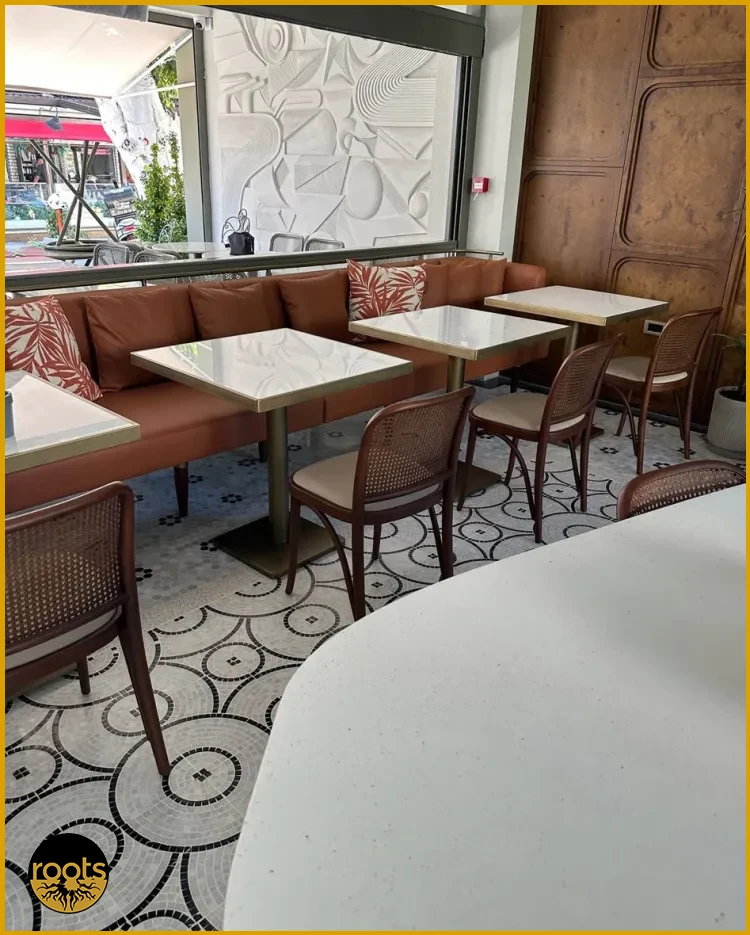
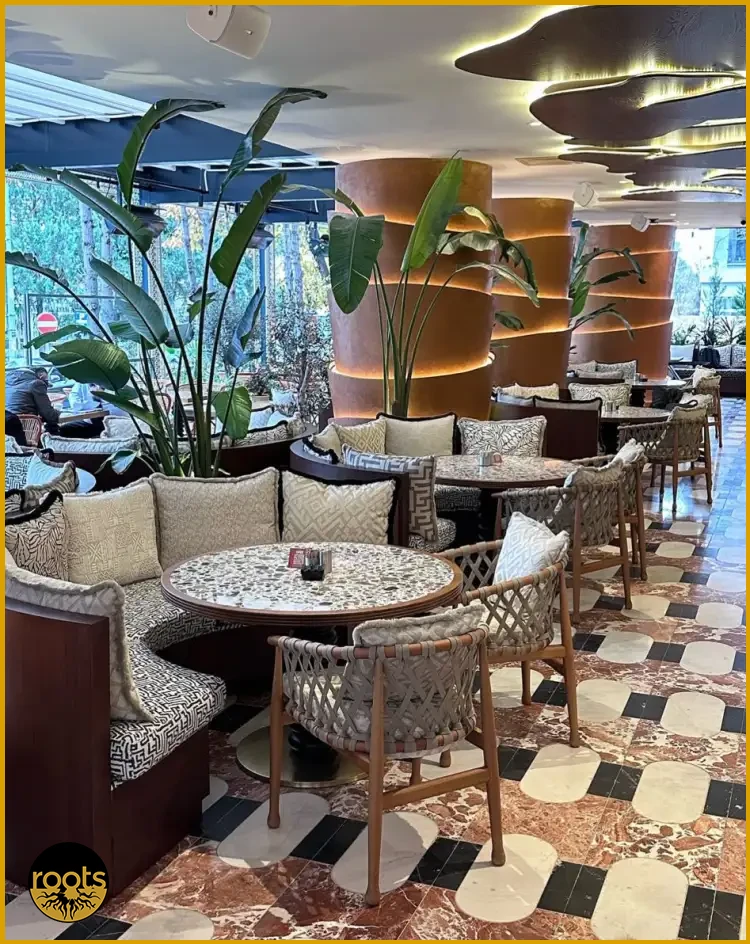
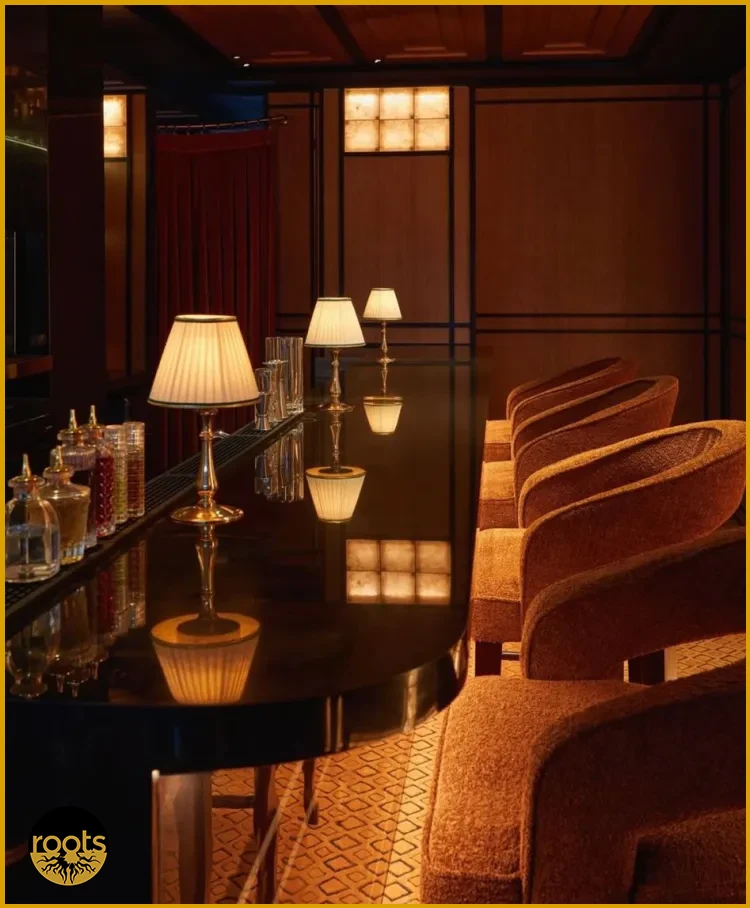
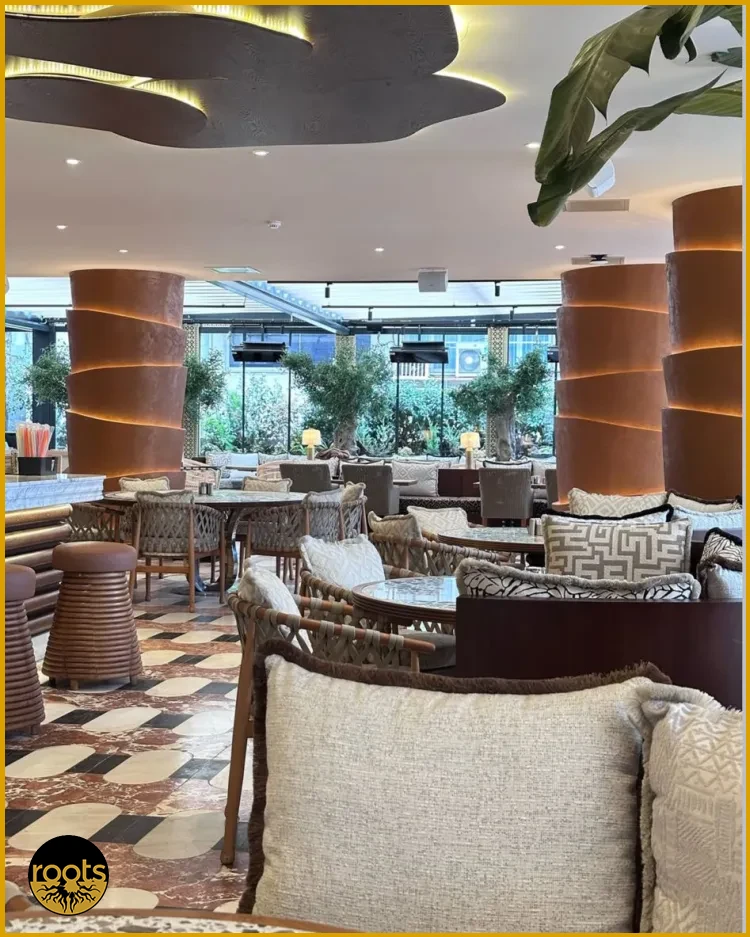
Luxury restaurant design sharply differs from standard commercial decoration projects at certain points. The most fundamental difference is personalized details and the quality of the materials used. Instead of ready-made furniture, bespoke designs produced specifically for the venue are preferred. In addition, lighting systems do not only serve the purpose of illumination; they are planned with the principle of "ambiance engineering" that changes according to the time of day.
| Material Type | Durability | Area of Use | Cost Scale |
|---|---|---|---|
| Natural Marble and Stone | High (Lifetime) | Floor, Countertop, Wall Cladding | High |
| Solid Wood (Walnut, Oak) | Medium - High | Furniture, Panel, Ceiling | Medium - High |
| Brass and Special Metal Alloys | High | Lighting, Decorative Details | High |
| Acoustic Textile Panels | Medium | Ceiling and Wall Surfaces | Medium |
Points to Consider Before Purchasing and Project Planning
Before starting a luxury restaurant project or purchasing a design service, the following items should be considered in terms of return on investment (ROI) and sustainability:
- Physical Conditions of the Venue: Technical details such as the building's structural system, ceiling height and chimney infrastructure determine the limits of the design.
- Acoustic Design: One of the biggest complaints in a luxury venue is noise pollution. Sound insulation and absorption planning should be done from the very beginning.
- Lighting Layers: A planning with at least three layers, namely general, accent and task lighting, should be requested.
- Material Selection: As well as elegance, the cleanability of the material and "fire resistance" certificates suitable for commercial area use should be checked.
- Local Regulations: Full compliance with municipality and ministry of health standards prevents future legal problems.
Frequently Asked Questions
Question 1: How should budget planning be done in luxury restaurant design?
Answer: In budget planning, the lion's share is usually allocated to built-in furniture, kitchen infrastructure and lighting. However, in luxury projects, it is recommended to leave a flexibility margin of 15-20% for items such as "artworks" and "custom-produced lighting."
Question 2: Is it possible to convert an existing restaurant into a luxury concept?
Answer: Yes, it is possible. However, in this process, not only the decoration but also the plumbing and layout usually need to be reconsidered from scratch. To change the spirit of the space, texture and lighting revision is a priority.
Question 3: How long does the design process take?
Answer: The concept design, implementation projects and technical detailing stages generally vary between 4 and 12 weeks depending on the size of the space. The implementation process is outside this period.
In conclusion, Luxury Restaurant Project Designs are far beyond an aesthetic concern; they are a commercial success strategy. A space constructed with the right material, the right light and the right planning increases guest loyalty while carrying the brand's prestige to global standards. In the decision-making process, professional approaches that combine technical knowledge with artistic vision should be preferred.