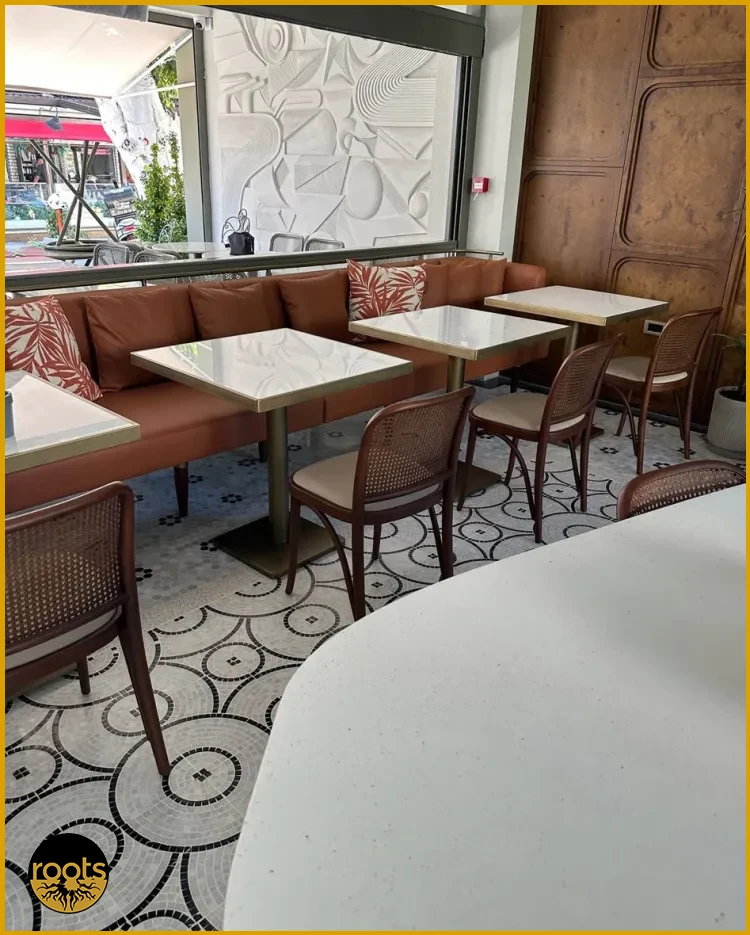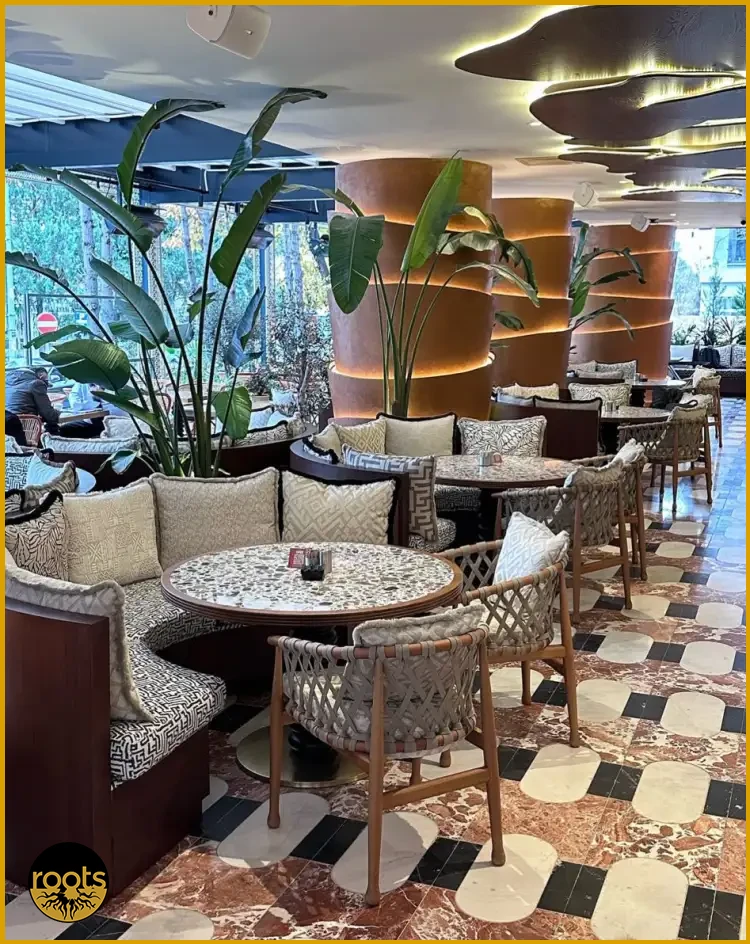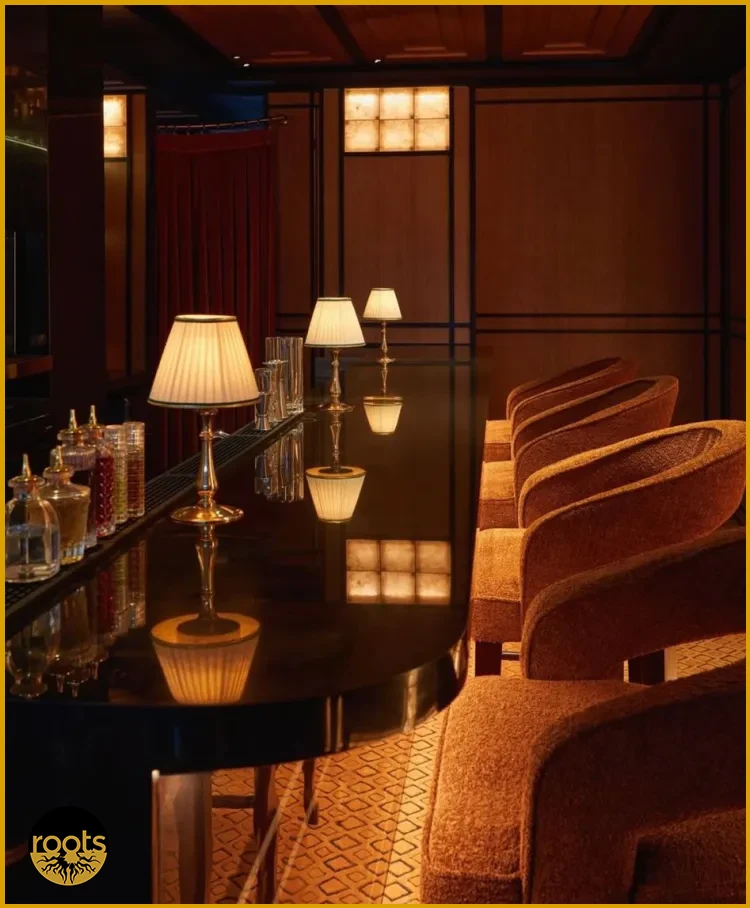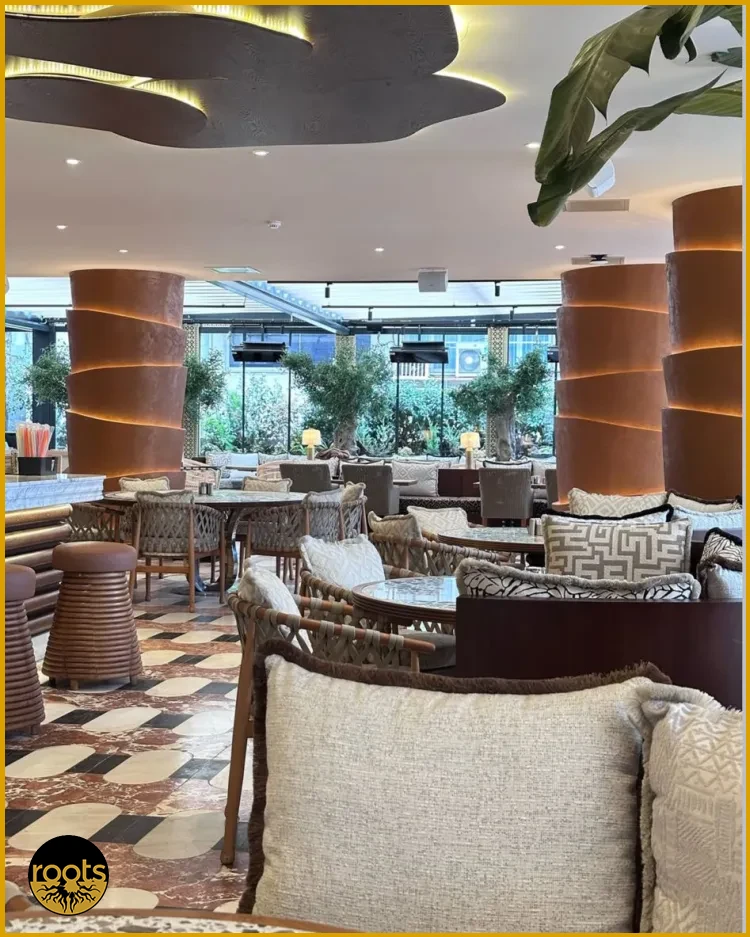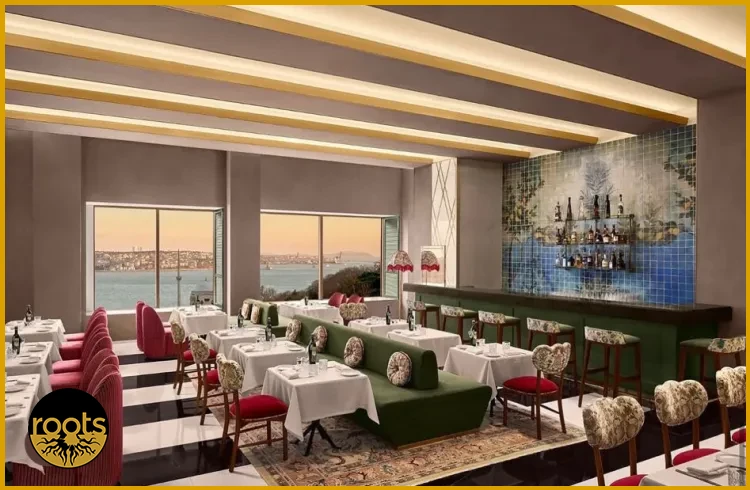
Minimal Restaurant Interior Architectural Decor: Captivate Your Customers with the Elegance of Simplification
An interior design that reflects the soul and identity of your restaurant directly affects the customer experience. Today, many business owners are turning to the minimalist restaurant interior architectural decor trend to offer their customers both an aesthetic and a functional atmosphere. A plain, spacious and focused design approach both increases the efficiency of your employees and ensures that your guests have a comfortable and enjoyable dining experience.
This content has been prepared to support the decision-making process of you, valued business owners, who are considering choosing a minimalist decoration for your restaurant. Starting from what the product is, we will comprehensively address the benefits it provides, for whom it is suitable, which needs it meets, when it should be preferred, how it differs from its alternatives, and all the details to be considered before purchasing.
What Is Minimal Restaurant Interior Architectural Decor?
Minimalist design is an aesthetic understanding with plain lines, stripped of unnecessary ornaments, in which functionality is at the forefront. Adopting minimalist decor in restaurant interiors highlights the following elements:
- Simplicity and Plainness: Unnecessary details are avoided and the focus is on clean lines.
- Functionality: Every element has a purpose and facilitates the use of the space.
- Sense of Open Space: Plenty of empty space is left to create a spacious and airy atmosphere.
- Quality Materials: Although not ostentatious, materials that stand out with their texture and durability are preferred.
- Limited Color Palette: Generally neutral tones (white, gray, beige, black) are used, and a small number of vivid colors can be added for accents.
- Use of Natural Light: The lighting of the space is provided by maximizing natural light sources.
What Are the Benefits of Minimalist Restaurant Decor?
A minimalist approach provides advantages for your restaurant in many respects:
- Improves the Customer Experience: A spacious and calm environment allows customers to focus on their meals and offers a more enjoyable experience.
- Makes the Space Look Larger: Few objects and plain colors make the space look bigger than it is.
- Facilitates Cleaning and Maintenance: Few and plain surfaces speed up and facilitate cleaning processes.
- Strengthens Brand Identity: A plain and sophisticated atmosphere creates a modern and high-quality brand image.
- Increases Focus: It reduces distracting elements for both customers and staff.
- Can Provide Cost Efficiency: Initial costs can be reduced by avoiding excessive and unnecessary decoration.
For Whom Is Minimalist Restaurant Decoration Suitable?
This design approach is ideal for the following types of businesses and owners:
- Restaurants with a Modern Concept: Those who want to create an innovative, current and stylish atmosphere.
- Fine Dining Venues: Those who want customers to focus on the food itself and the conversation.
- Cafes and Bistros: Those seeking a relaxing and friendly environment.
- Venues with Small Spaces: Those who want to make the space look larger and more spacious.
- Businesses Focused on a Single Product or Concept: Those who want to highlight their main products or concepts.
- Business Owners with a Plain and Elegant Aesthetic Understanding: Those who prioritize elegance and quality, far from ostentation.
Which Needs Does It Meet?
Minimal restaurant interior architectural decor responds to the following needs:
- Making the space more functional.
- Offering customers a calming and inviting environment.
- Strengthening the brand image and gaining a professional appearance.
- Facilitating cleaning and maintenance processes.
- Making the space look larger and more spacious.
- Increasing loyalty by positively affecting the customer experience.
When Should It Be Preferred?
Minimalist decoration is an ideal choice in the following situations:
- When Opening a New Restaurant: When determining the initial concept of the space.
- When Renovating an Existing Restaurant: When you want to add a modern touch to the space or renew outdated decoration.
- When You Want to Expand Your Customer Base: In order to create a contemporary atmosphere to appeal to a wider audience.
- When You Want to Use the Space More Efficiently: To increase functionality in small or complex areas.
- When You Want to Convey the Message That Your Brand Is Innovative and High-Quality: To make a difference with a plain but effective design approach.
In What Ways Does It Differ from Its Alternatives?
Minimalist design differs from other popular restaurant decoration styles in the following ways:
- Maximalist Design: Maximalism is a style in which intense colors, patterns and objects are used together. Minimalism, on the contrary, is based on simplification and using few elements.
- Rustic Design: The rustic style highlights natural materials (wood, stone) and a country atmosphere. Natural materials can also be used in minimalism, but the focus is on functionality and clean lines.
- Industrial Design: Raw and unfinished surfaces and metal details are among the characteristics of the industrial style. Although such materials are also used in minimalism, they are integrated in a more refined and balanced way.
- Bohemian Design: The bohemian style is a free-spirited, colorful and eclectic approach. Minimalism, on the other hand, offers a disciplined and selective aesthetic.
The biggest difference of the minimalist approach is that it adopts the philosophy of "less is more". Every element is carefully selected, nothing unnecessary is present, and it serves the overall flow of the space.
Material Selection and Comparison
In a minimalist space, material selection determines the quality and durability of the design. The right materials meet both aesthetic and functional expectations. Here is a comparison of some commonly used materials on the axis of durability, area of use and cost:
| Material Type | Durability | Interior/Exterior Architectural Use | Cost (General Assessment) | Emphasis Point in Minimalist Design |
|---|---|---|---|---|
| Natural Wood (Solid, Birch, Oak, etc.) | High (When properly processed) | Mainly Interior (Requires special coating/protection for outdoor use) | Medium - High | Warmth, natural texture, elegance |
| Concrete/Micro Concrete | Very High | Interior and Exterior | Medium | Industrial and modern touch, durability |
| Natural Stone (Marble, Granite, etc.) | High | Interior and Exterior | High | A luxurious, sophisticated and timeless look |
| Metal (Stainless Steel, Aluminum, Iron) | Very High | Interior and Exterior | Medium - High | Modern, industrial and durable touches |
| Glass (Tempered, Frosted, etc.) | Medium - High (Depending on usage) | Mainly Interior (Use on exterior facades requires special projects) | Medium | Airiness, light transmittance, modernity |
| High-Density MDF/Particleboard (Laminate Coated) | Medium | Interior | Low - Medium | Economical, offers various surface options |
Note: Costs may vary depending on material quality, workmanship and supplier choice. In minimalist design, generally a single type or a few high-quality materials that complement each other are preferred.
Things to Consider Before Purchasing
When creating a Minimal Restaurant Interior Architectural Decor or purchasing products suitable for this concept, the important points you need to pay attention to are as follows:
1. Dimensions and Layout of the Space:
Analyze the physical characteristics of the space in detail. In narrow areas, less bulky furniture should be preferred, while in large spaces, strategies that do not disrupt the feeling of spaciousness should be developed. A functional layout plan forms the basis of minimalist aesthetics.
2. Color Palette:
Plain and neutral colors (white, gray tones, beige, cream, black) support the airiness and calmness of the space. If you use accent colors, keep them very limited and generally use them in accessories or a single piece of furniture.
3. Material Quality and Durability:
Because there are few elements in minimalist design, the quality and durability of every material chosen come to the fore. In venues subject to intensive use such as restaurants, materials that are easy to clean and long-lasting should be preferred.
4. Lighting:
Maximize natural light. For artificial lighting, use soft, warm and focused light sources. Technological and aesthetic lighting elements can play an important role in minimalist spaces.
5. Furniture and Accessory Selection:
Furniture should be simple, functional and have aesthetically clean lines. Each accessory should contribute to the overall dynamic of the space, and unnecessary clutter should be avoided.
6. Acoustics:
In plain spaces, acoustics can sometimes be challenging. Soft-textured materials or special acoustic panels can be considered to balance the acoustics of the space.
Frequently Asked Questions
Designing your restaurant's interior with a minimalist approach is not only an aesthetic choice but also a strategic step that will contribute to the success of your business. With the elegance of simplification, you can both offer your customers an unforgettable experience and maximize the potential of your space.