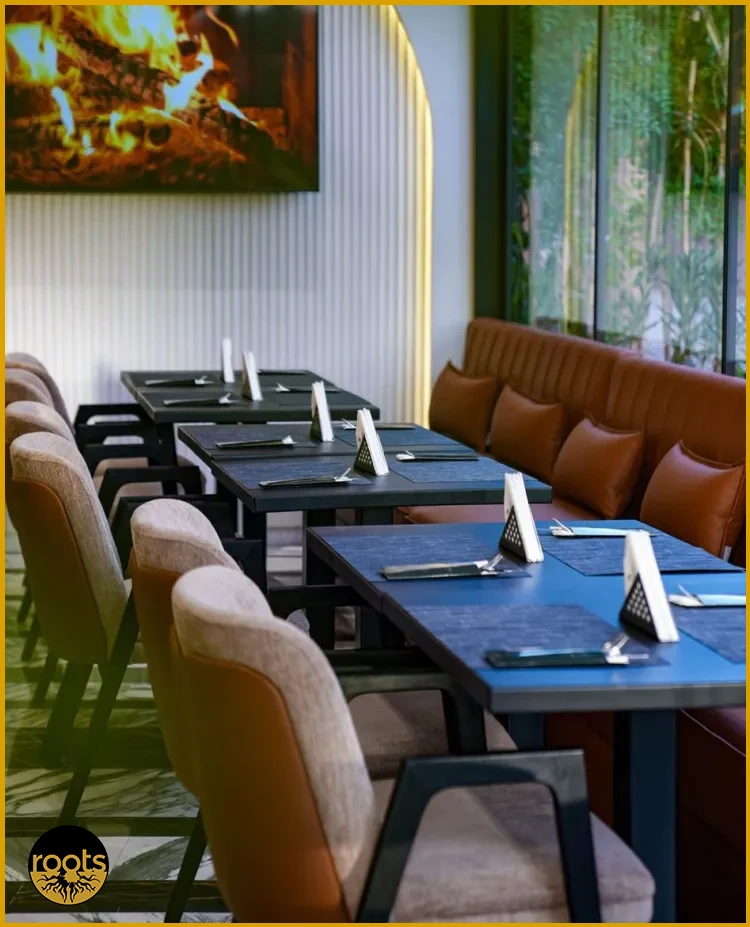
What Is a Natural Architectural Open-Area Restaurant Layout?
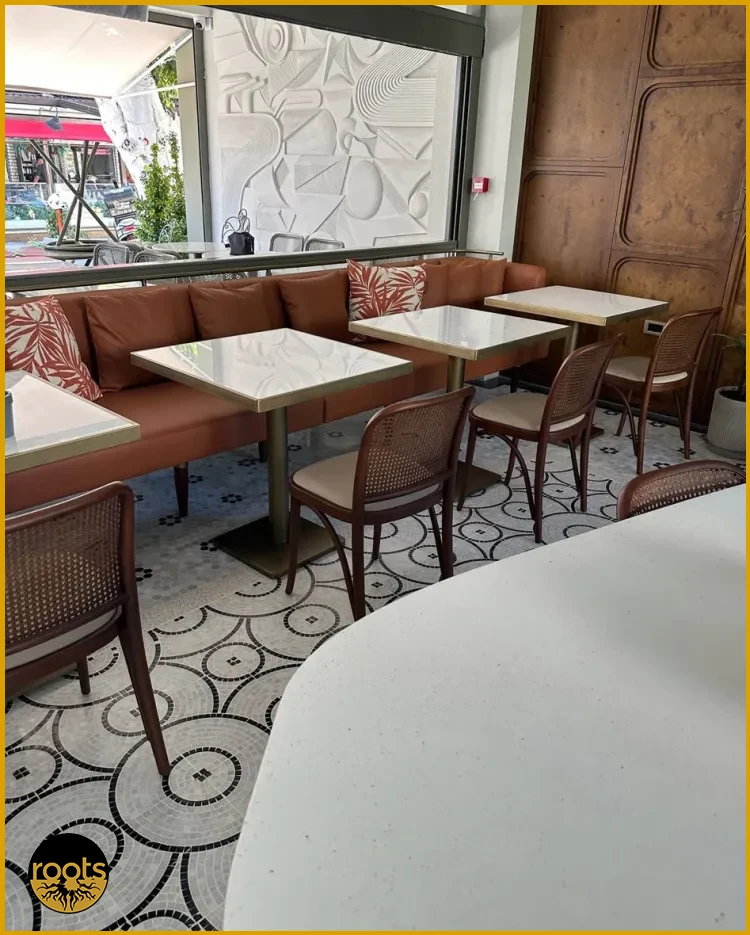
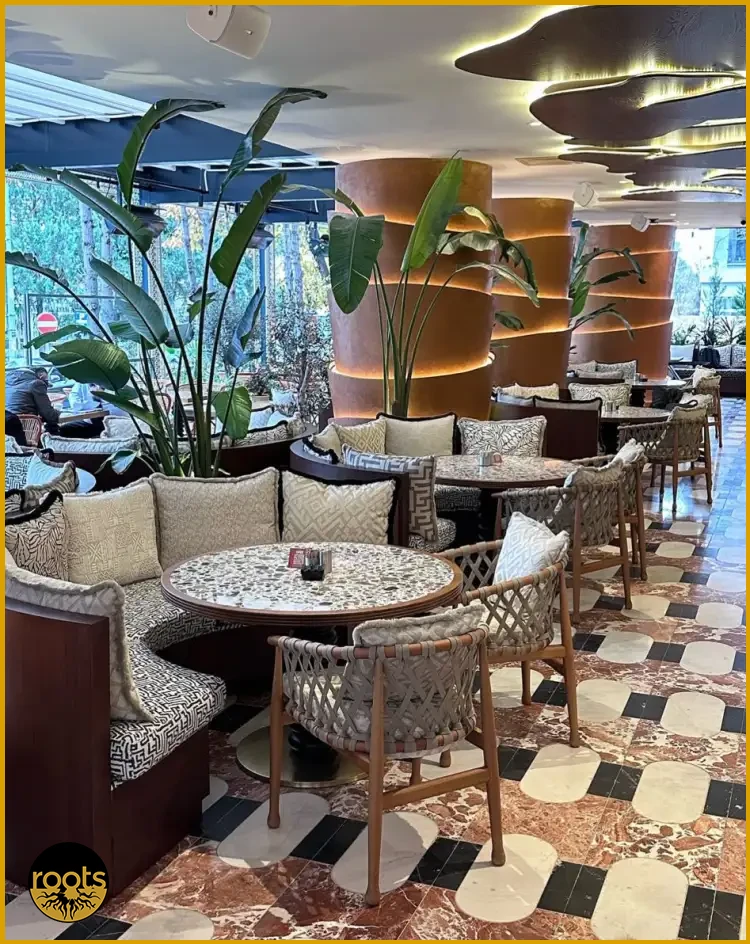
A Natural Architectural Open-Area Restaurant Layout is the design of a restaurant's interior and exterior spaces with natural materials, organic forms and the use of natural light kept at the forefront. This approach aims to bring vitality, spaciousness and serenity to spaces. In addition to traditional building materials, materials obtained from recycled and sustainable sources are also frequently preferred. The goal is both to offer an aesthetic appearance and to ensure that guests feel more comfortable and at peace.
What Are the Benefits of a Natural Architectural Open-Area Restaurant Layout?
- Improves the Atmosphere of the Space: Natural materials and colors add warmth and sincerity to the space, creating a more inviting environment.
- Elevates the Guest Experience: A spacious, bright area furnished with natural elements allows guests to have a more enjoyable time. This can increase return rates and positive reviews.
- Adds Aesthetic Value: Organic forms and natural textures give the space a unique and sophisticated aesthetic.
- Emphasizes Sustainability: The use of eco-friendly materials demonstrates your brand's sensitivity to sustainability and attracts the interest of conscious consumers.
- Creates a Psychological Effect: Natural elements help reduce stress and increase the feeling of relaxation.
- Increases Functionality: With careful planning, natural materials can optimize the flow of the space and the movement of users.
Who Is a Natural Architectural Open-Area Restaurant Layout Suitable For?
This layout is suitable for a variety of restaurant concepts. The main target audience includes:
- Healthy Living-Focused Restaurants: Ideal for venues offering organic products and seeking a natural atmosphere.
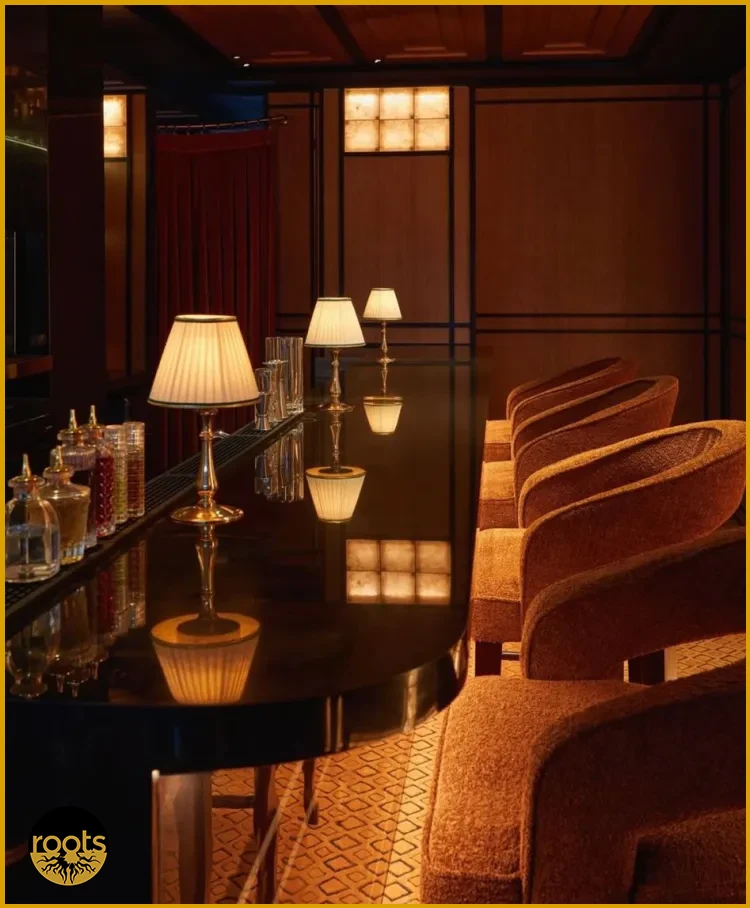
- Fine Dining Venues: Restaurants that want to create a sophisticated and elite atmosphere can use the quality and aesthetics of natural materials.
- Village Breakfasts and Ecologically Themed Places: It is a fundamental approach for businesses that want to offer an experience intertwined with nature.
- Those Who Want to Create Calm Oases in the City: Any type of restaurant that serves as an escape point from intense city life and aims to offer a calm and peaceful atmosphere.
- Businesses with Sustainability Values: Restaurants that want to appeal to an environmentally conscious consumer base.
What Needs Does the Natural Architectural Open-Area Restaurant Layout Meet?
This design approach meets various needs of both business owners and guests:
- Aesthetic Expectations: The need to create a space that is pleasing to the eye, modern and at the same time timeless.
- Comfort and Convenience: The demand for a peaceful and relaxing environment where guests can spend long periods of time.
- Differentiation of the Space: The necessity to stand out in the competitive restaurant sector and to create a memorable space identity.
- Health and Hygiene: The perception that natural and unprocessed materials, with the right applications, offer a hygienic environment.
- Brand Image and Values: The desire to create a brand image that is environmentally sensitive and supports natural living.
In Which Situations Should the Natural Architectural Open-Area Restaurant Layout Be Preferred?
In the following situations, the natural architectural open-area layout can be a strong reason for preference:
- When you want to revive and modernize the atmosphere of your existing restaurant.
- When planning the opening of a new restaurant and wanting to give your space a unique identity.
- When you observe that your target audience is in search of a natural, calm and high-quality experience.
- When you want to strengthen your space's connection with the outside, for example, to use this area more effectively if it has a garden or terrace.
- When you want to increase the energy efficiency and sustainability performance of the space.
In What Ways Does the Natural Architectural Open-Area Restaurant Layout Differ from Other Arrangements?
Compared to other popular restaurant arrangement approaches, the natural architectural open-area layout stands out in the following ways:
- Material Selection: Intensive use of raw and unprocessed materials such as wood, stone, bamboo, rattan and natural textiles instead of heavily processed materials such as reinforced concrete and metal.
- Color Palette: Dominance of natural and soothing colors such as earth tones, various shades of green and beige instead of vivid and artificial colors.
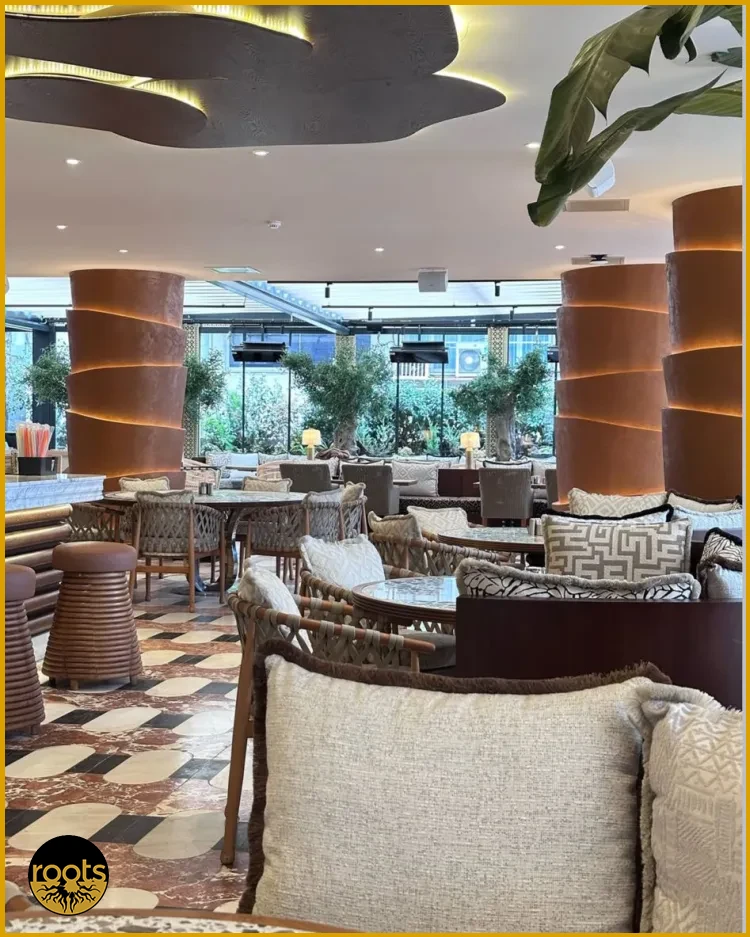
- Lighting: The principle of making maximum use of natural light alongside artificial light sources. Large windows that let daylight in, bright terraces.
- Integration with Nature: The tendency to integrate interiors with exteriors, to incorporate planting and to make green areas a part of the space.
- Minimalism and Functionality: Focusing on simplicity and functionality by avoiding unnecessary details.
Main Materials Used in Natural Architectural Open-Area Layouts and Their Features
Various materials can be used in natural architectural open-area layouts. Here are some of the commonly preferred ones and their comparisons:
| Material Type | Durability | Interior Architectural Use | Exterior Architectural Use | Cost (Overall Assessment) |
|---|---|---|---|---|
| Solid Wood | High (When properly processed and maintained) | Very High (Flooring, wall cladding, furniture, ceiling) | Medium-High (Requires special treatments) | Medium-High |
| Natural Stone (Marble, Granite, Travertine, etc.) | Very High | High (Flooring, wall cladding, countertops) | Very High | High |
| Bamboo | Medium-High | High (Furniture, cladding, decorative elements) | Medium (Moisture and UV protection may be required) | Medium |
| Rattan (Wicker, Bamboo-Like) | Medium | High (Furniture, lighting, decorative elements) | Low (Wears easily, suitable for indoor spaces) | Medium |
| Natural Fiber Textiles (Linen, Cotton, Jute, etc.) | Medium | High (Upholstery, curtains, cushions) | Low (Sensitivity to UV and moisture) | Low-Medium |
| Brick (Natural Texture) | High | High (Wall cladding, decorative elements) | High | Medium |
Frequently Asked Questions
Q: Is the natural architectural open-area layout suitable for every restaurant type?
Yes, when applied correctly, it can be adapted to many restaurant concepts. For example, with a modern and minimalist approach, even a luxurious fine dining venue can use natural elements elegantly. If a more rustic and intimate atmosphere is desired, the use of wood and stone can be brought to the forefront. What matters is that the overall concept of the venue and the cuisine offered are in harmony with the design.
Q: Are natural materials more expensive?
Generally, some natural materials may have a higher cost compared to processed or synthetic materials. However, their longevity, durability and the aesthetic value they provide can offer a cost-effective solution in the long term. In addition, it is possible to optimize costs by choosing recycled or locally sourced natural materials. Cost varies depending on the type of material, its quality and the workmanship applied.
Q: Is it possible to provide a hygienic environment with natural materials?
Absolutely yes. Today, with modern processing techniques applied to natural materials and proper maintenance methods, it is possible to provide a highly hygienic environment. For example, wooden surfaces can be made resistant to water and stains with appropriate varnishes and coatings. Natural stones also have properties that are easy to clean and do not harbor bacteria. What matters is that the materials are chosen correctly, processed professionally and maintained regularly.
Q: Is natural architecture suitable for small restaurants?
Yes, natural architecture can also be extremely effective for small restaurants. The use of natural light and light-colored natural materials makes the space look more spacious and larger. Wood and plants used with a minimalist approach can create a warm and inviting atmosphere even in a small area. Without going to extremes, the appeal of the space can also be enhanced by establishing focal points.
Things to Consider Before Purchasing and Implementation
Important points to consider before making a decision about the Natural Architectural Open-Area Restaurant Layout or moving on to the implementation process are as follows:
- Features of the Space: Physical conditions such as the existing structure, light exposure and ventilation should form the basis of the design.
- Budget Planning: A detailed budget should be prepared for material selections, labor costs and possible additions (planting, special lighting, etc.).
- Getting Professional Support: Consulting an interior designer or architect will help you make the right decisions in terms of both aesthetics and functionality.
- Material Quality and Sustainability: It is important that the materials to be used are of quality, durable and, where possible, obtained from certified sustainable sources.
- Ease of Maintenance and Cleaning: The maintenance and cleaning requirements of the selected materials should be of a nature that does not disrupt the daily operations of the restaurant.
- Target Audience Analysis: The expectations and preferences of the customer base your venue appeals to should be taken into consideration in design decisions.
- Regulations and Permits: Necessary permits may need to be obtained from the relevant local authorities for the changes or additions to be made.
Natural Architectural Open-Area Restaurant Layout not only adds an aesthetic touch to your venue, but is also an effective way to offer your guests an unforgettable experience and increase the value of your business. With the right planning and implementation, your venue will have both a beauty that defies time and a functional use.