Natural Wood Cafe Design and Its Effect on Business Identity
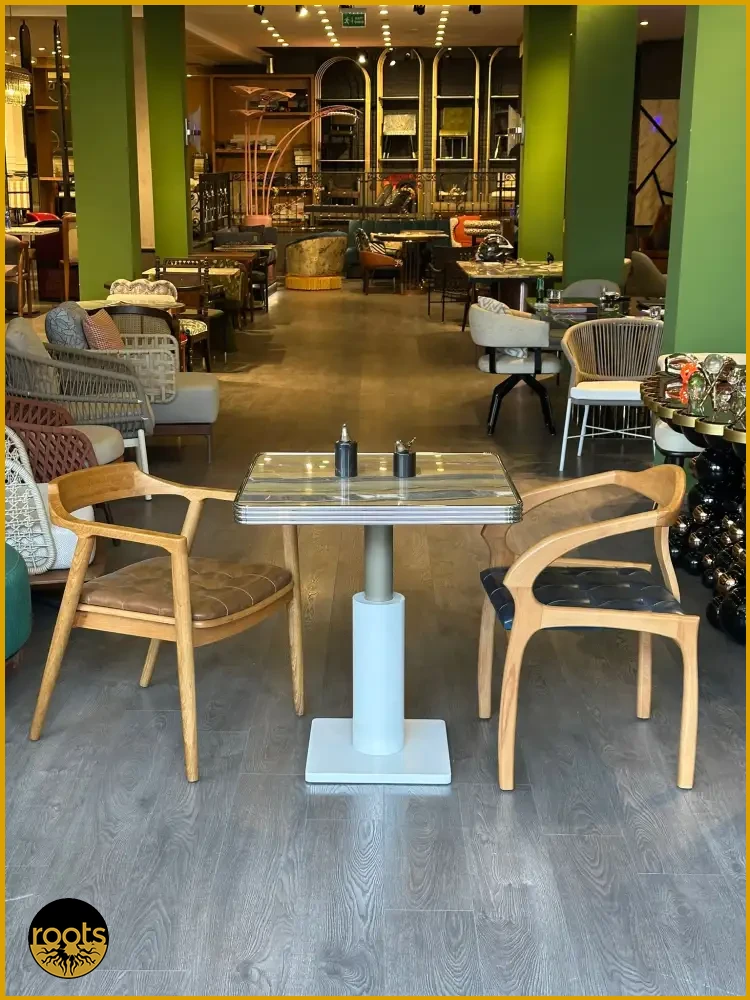
In today's service sector, success for a cafe operator is measured not only by the quality of the product offered but also by the quality of the time the customer spends in that space. Natural Wood Cafe Design is one of the most fundamental methods used in modern interior architecture to evoke a sense of "warmth" and "belonging." The fact that wood is a living material, unlike cold surfaces such as concrete and metal, adds an organic depth to the space.
This design approach is not only a visual preference but also a functional solution that meets technical needs such as acoustic comfort and air quality. Natural wood elements absorb sound waves, reducing the hum during busy hours and allowing customers to hear each other more comfortably.
Who Is It Suitable For and What Needs Does It Meet?
Natural wood-focused designs are ideal especially for businesses that want to position their brand as "friendly," "natural," or "premium." Third-generation coffee shops, boutique patisseries, and calm, work-focused cafes are the spaces where this style is most frequently preferred.
- Improving Customer Experience: The texture of wood makes people feel psychologically safer and more at peace.
- Emphasis on Sustainability: For target audiences with high environmental awareness, the use of natural and recyclable materials increases the value of the brand.
- Long-Lasting Use: Quality woodwork, with proper maintenance, can preserve its first-day form for decades.
Comparison by Material Types and Selection Criteria
The type of wood to be used in cafe design directly affects both the budget and the service life of the space. While aesthetics are at the forefront in indoor spaces, durability and impregnation properties are of critical importance in outdoor spaces.
| Material Type | Durability | Area of Use | Cost Axis |
|---|---|---|---|
| Pine / Spruce | Medium | Indoor / Wall Panel | Economical |
| Oak | High | Flooring and Tabletop | Medium - Upper |
| Walnut | High | VIP Areas / Custom Furniture | Upper Segment |
| Teak | Very High | Outdoor / Terrace | Premium |
| Laminate / MDF Lam | Medium-Low | Cabinet Interiors / Decoration | Low |
In What Ways Does It Differ from Its Alternatives?
Many businesses may turn to wood-look plastic (PVC) or metal derivatives to reduce initial costs. However, genuine natural wood differs from these materials in the following ways:
Metal furniture becomes scratched over time and gives a cold feeling to the touch; plastic derivatives, on the other hand, fade or deform quickly with sunlight and cleaning chemicals. Natural wood, however, is a material that gains character as it ages. Scratches or impacts can turn into an aesthetic advantage by creating a "lived-in" effect in the texture of the wood, or they can be completely renewed with a simple sanding and polishing process.
Things to Consider Before Purchasing and Application
To guarantee the success of your project during the decision-making stage, you should consider the following points:
- Moisture Content: The wood to be used must be kiln-dried and brought to a level suitable for the ambient humidity. Otherwise, it may crack or warp over time.
- Varnish and Protection: The wood must be sealed with water-based protectors or hard waxes against coffee, tea, or food acids that may spill in a cafe environment.
- Light Compatibility: The color of the wood should be chosen in harmony with the lighting of the space. While dark woods create a dim and warm atmosphere, light-colored oak or pine types make the space appear larger.
- Maintenance Requirements: Wiping or checking the natural material with special oils at least once a year will extend the life of your investment.
Frequently Asked Questions
1. How should natural wood cleaning be done?
Instead of chemical-heavy cleaners, wood-specific soaps and slightly damp cloths should be preferred. Excess water can penetrate the wood and cause swelling, so the surface should be dried immediately.
2. Which wood type is more suitable for small cafes?
To prevent a stifling atmosphere in small spaces, using light-toned woods with fine grain, such as ash or light-colored oak, will expand the perception of the space.
3. Does the use of wood pose a fire risk?
Woods used in commercial spaces are treated with special flame retardant (FR) solutions and varnishes to make them compliant with safety standards.
4. How is wood combined with industrial design?
Tables with black metal legs, exposed brick walls and raw wood shelves are the most popular applications of the modern industrial style.
In conclusion, Natural Wood Cafe Design is not a cost but a strategic investment that builds your business's identity and increases customer loyalty. With the right material selection and professional application, it is possible to create a space that is flawless both aesthetically and functionally.