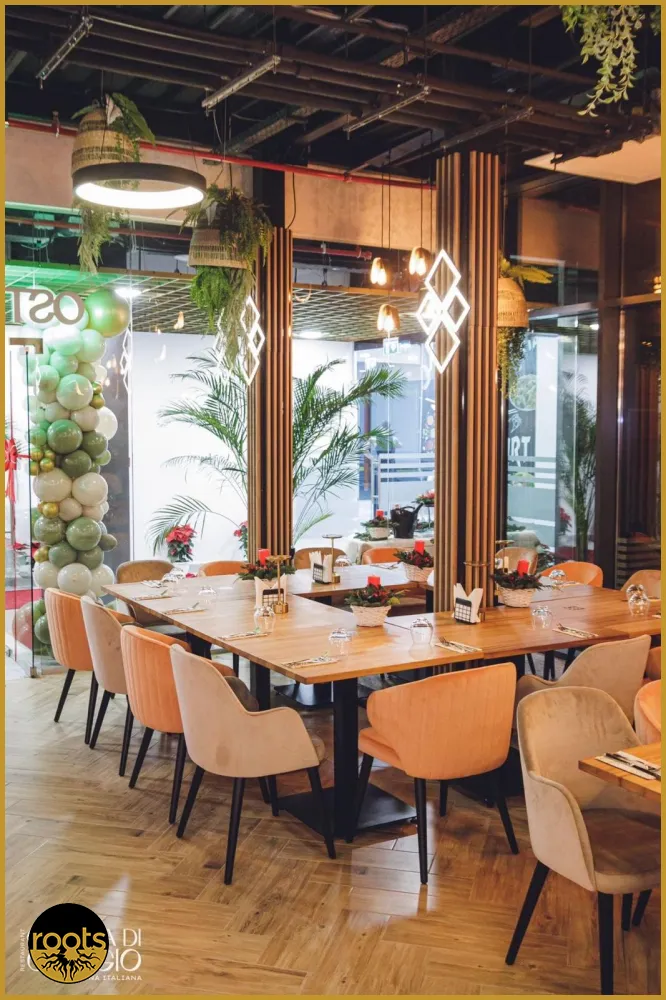
Functionality and Aesthetics in Restaurant Architectural Table Chair Selection
Furniture selection is one of the most fundamental elements that determine the atmosphere of a restaurant. Restaurant architectural table chair choices not only provide visual integrity, but also directly affect customer comfort, circulation within the space and the long-term operational costs of the business. Architectural-focused furniture, unlike standard household furniture, is designed to be durable against the challenges brought by high-traffic areas.
Choosing the right furniture requires establishing a balance of ergonomics and technical durability, as well as reflecting the identity of the space. For a business owner or architect, many variables play a role in the decision-making phase; such as the type of material, its cleanability, its weight and its compatibility with the overall concept of the space.
Advantages of Architectural Furniture for the Business
Architectural furniture produced specifically for restaurants is tested according to industrial standards. This furniture is optimized to meet the following needs:
- Heavy Use Durability: The frame structure of chairs used hundreds of times during the day has reinforced connection points that will not loosen.
- Space Optimization: Architectural designs aim to use the square meters of the space in the most efficient way. Chair widths and table forms maximize seating capacity while not restricting movement space.
- Ease of Maintenance: Fabric and surface finishes resistant to spills, stains and constant cleaning are preferred in commercial areas.
Comparative Analysis by Material Types
In table and chair selection, the material decision is the most critical factor determining both cost and service life. The following table summarizes the performance of frequently preferred materials across different axes:
| Material Type | Durability Level | Area of Use | Cost Axis | Maintenance Requirement |
|---|---|---|---|---|
| Solid Wood | High (Indoor) | Classic, Rustic Restaurants | High | May require regular polishing |
| Metal / Steel | Very High | Industrial, Modern Cafes | Medium - High | Low (Protected by powder coating) |
| Marble / Natural Stone | Medium - High | Fine Dining, Luxury Spaces | High | High (Stain protection is essential) |
| Polypropylene (Plastic) | Medium | Outdoor, Fast Food | Economical | Very Low |
| Compact Laminate | High | Bistro, Canteen, Garden | Medium | Very Low |
Technical Details to Consider Before Purchasing
Focusing only on the visual during the decision-making process cannot prevent future comfort complaints or rapid wear. You must definitely take the following criteria into consideration:
- Ergonomics and Seat Height: The height of a standard dining table is generally between 75-76 cm. The chair seat height should be selected so that there is approximately a 30 cm difference between it and the table (45-46 cm).
- Martindale Value of the Fabric: If an upholstered chair is preferred, the abrasion resistance of the fabric (Martindale test) should be at least 40,000-50,000 cycles for commercial spaces.
- Stackability: Especially for outdoor or event areas, the ability of chairs to stack on top of each other provides a great advantage during cleaning and storage.
- Floor Protectors: The quality of the glides at the ends of the chair legs is critical in terms of preventing floor scratches and providing sound insulation.
Which Model Should Be Preferred in Which Situation?
The type of your venue determines the character of the furniture. For example, in a fast food business where circulation is very fast, choosing hard-surfaced chairs that keep comfort at a medium level and are easy to clean supports the "eat and leave quickly" model. However, in a Fine Dining restaurant where customers are intended to spend a long time, chairs with armrests, using high-density foam and soft-textured fabric should be preferred.
For outdoor areas, UV-added plastics or kiln-dried woods suitable for outdoor weather conditions (such as Teak, Iroko) must be preferred. Otherwise, sunlight and moisture will quickly distort the form of the furniture.
Frequently Asked Questions
1. What should the warranty period be for restaurant furniture?
For products manufactured for commercial use, a minimum 2-year warranty should generally be sought for the frame structure. However, in professional architectural series, this period may vary depending on the scope of the project.
2. Which is more practical, fabric or leather upholstery?
In high-traffic restaurants, artificial leather (vinyl) is advantageous thanks to its wipeability. However, considering the factors of warmth and sweating, new-generation stain-resistant, liquid-repellent fabrics offer a more comfortable user experience.
3. How can wobbling on tables be prevented?
Especially in venues with uneven floors, table tops with adjustable screw feet or heavy cast feet should be preferred. This is a small but vital detail for customer satisfaction.
4. What is the main factor determining architectural table chair prices?
The main elements determining the price are; raw material quality (for example, the dryness level of the wood), the varnish/paint technology used, the technical properties of the fabric and workmanship details. Cheap alternatives generally start making noise at the joints in a short time.
In conclusion, the choice of restaurant architectural table chair is not just a purchasing process, but an investment that affects the profitability and brand image of the venue. Matching technical specifications with business needs is the key to creating a long-lasting and satisfaction-focused venue.











































































