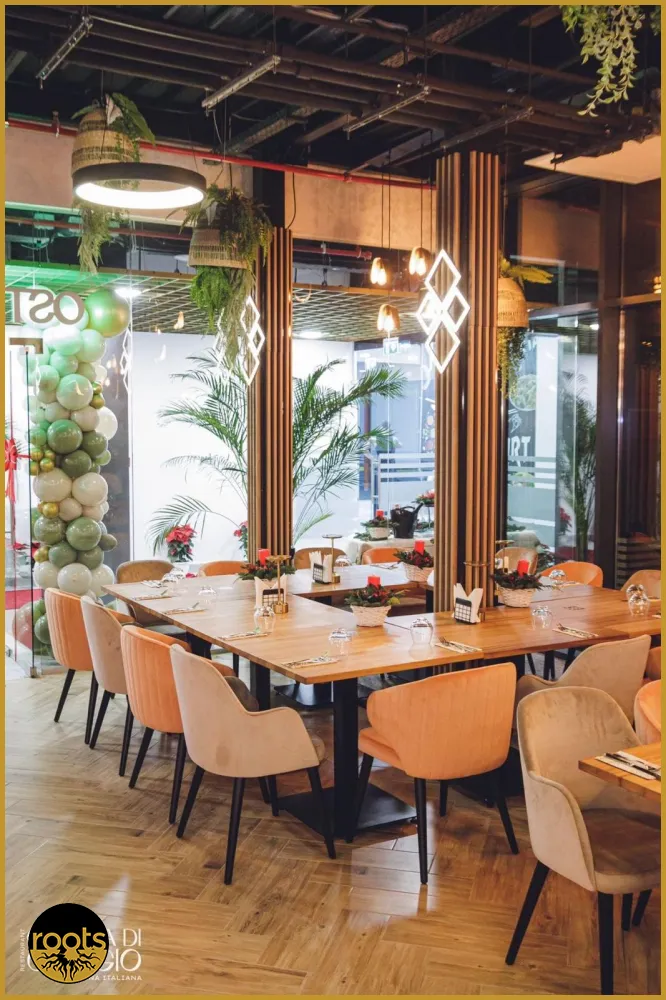
Restaurant Architectural Table and Chair: Choices That Reflect the Soul of Your Space
One of the most fundamental elements that directly affects the atmosphere of your restaurant and the visitor experience is, undoubtedly, the choice of tables and chairs. The right furniture selection, which considers both aesthetic concerns and functional needs, defines the identity of your space while also increasing the comfort and satisfaction of your guests. In this guide, we will examine in depth all the critical points you need to consider when choosing tables and chairs in the context of restaurant architecture.
The Function and Importance of Restaurant Furniture
Restaurant tables and chairs do not only provide a seating and dining area; they also complete the overall design concept of the space, strengthen brand identity and reinforce brand image. The right furniture can encourage customers to stay longer, which potentially means more orders. In addition, durable and easy-to-maintain furniture reduces operating costs and provides savings in the long term.
Who Is It Suitable For? What Needs Does It Meet?
Restaurant architectural table and chair solutions are ideal for the following types of spaces and needs:
- Food and Beverage Businesses: Restaurants, cafes, bistros, bars, pubs, fast-food chains.
- Accommodation Facilities: Hotel restaurants, lobbies and outdoor areas.
- Event Venues: Wedding halls, ballrooms, conference centers (banquet table and chair solutions).
- Offices and Workplaces: Employee dining areas, break rooms.
- The Aesthetics of the Space: Variety to adapt to different design styles such as modern, classic, rustic, industrial and minimalist.
- Comfort and Usability: Ergonomic designs that allow guests to sit comfortably, easy cleaning and long-lasting use.
- Space Optimization: Efficient use of the space with different table sizes and shapes.
Key Points of Table and Chair Selection in Restaurant Architecture
You should consider the following factors in the decision-making process:
- The Concept and Style of the Space: Choose a style that suits the overall decoration of your restaurant and your target audience. Elegant and showy models can be preferred for a luxury restaurant, while more relaxed and warm designs can be preferred for a friendly cafe.
- Purpose of Use and Area: Will it be used indoors or outdoors? How intense will the traffic be? Is the goal fast cafe-style service, or comfort suitable for long conversations?
- Comfort and Ergonomics: Chairs that offer lower back and back support, allowing your guests to sit comfortably for a long time, should be preferred. Table heights should also be compatible with the chairs.
- Durability and Material Quality: Restaurant furniture is subject to intensive use. Therefore, it is important that they are made of materials resistant to scratches, stains, moisture and wear.
- Ease of Maintenance and Cleaning: Surfaces that offer fast and practical cleaning are of critical importance for ensuring hygiene and operational efficiency.
- Dimensions and Compatibility with the Space: Table and chair dimensions should be determined in a way that does not obstruct the general flow of the space and leaves sufficient passage areas. The distance between tables should be at a level that protects customer privacy.
- Budget: Quality and durable furniture is more economical in the long term. However, also considering the initial investment cost, look for the solutions that best suit your budget.
Comparison of Different Material Types
Let us examine the main types of materials used in restaurant tables and chairs along the axes of durability, area of use and cost:
| Material Type | Durability | Indoor / Outdoor Use | Cost | Features |
|---|---|---|---|---|
| Solid Wood | High (with maintenance) | Indoor (specially treated for outdoor) | Medium - High | Natural, warm appearance, adapts to different styles. May require maintenance over time. |
| Metal (Iron, Steel, Aluminum) | Very High | Both Indoor and Outdoor | Medium - High | Industrial, modern looks. Can be lightweight (aluminum) or sturdy (steel). Must be treated against rust. |
| Plastic / Polypropylene | Medium - High (varies by quality) | Both Indoor and Outdoor | Low - Medium | Lightweight, easy to clean, colorful options available. May risk fading when exposed to sunlight. |
| MDF / Chipboard Veneer | Medium | Indoor Only | Low - Medium | Economical, various looks can be achieved with different veneers. May be sensitive to moisture and scratches. |
| Rattan / Wicker (Natural or Synthetic) | Medium (synthetic rattan is more durable) | Both Indoor and Outdoor (Synthetic) | Medium - High | Offers a natural and rustic look. Synthetic rattan is more resistant to weather conditions. |
| Glass (Tempered) | High (tempered glass is safe) | Both Indoor and Outdoor | Medium - High | Modern and stylish appearance. Stain-resistant, easy to clean. Although there is a risk of breakage, tempered glass is safe. |
What Sets It Apart from Alternatives
Among the many restaurant furniture options on the market, the key features that will help you distinguish the right product are:
- Custom Design and Ergonomics: Ergonomic designs that not only offer a seating surface but also provide comfort even during prolonged use, while prioritizing aesthetic concerns.
- Superior Material Quality: The quality of workmanship and durability are as important as the type of material used. Details such as high-density wood, stainless steel frames, and UV-protected cushions make a difference.
- Ease of Maintenance and Hygiene: Stain-resistant, easily wipeable, and bacteria-resistant surfaces are indispensable, especially for food businesses.
- Modular and Functional Solutions: Modular systems that can be adapted specifically to your space and allow for different seating arrangements provide flexibility.
- Longevity: Although cheap alternatives may seem attractive in the short term, constant replacement and maintenance costs can prove more expensive in the long run. Quality products can maintain their first-day appearance for years.
Things to Consider Before Purchasing
When choosing tables and chairs for your restaurant:
- Sample Inspection: If possible, test the quality of the products by seeing and touching samples.
- Supplier Reliability: Work with reliable suppliers that have strong references and offer warranty and service support.
- Warranty Period: Learn the warranty period of the products and make sure this period meets your expectations.
- Delivery and Assembly: Get detailed information about the delivery time, shipping conditions, and assembly service of the products.
- Customer Reviews: Reading the reviews of other businesses that have previously purchased the products can be helpful.
Frequently Asked Questions
- Modern and Minimalist: Tables with clean lines and metal, glass or marble details; slim-designed, ergonomic chairs.
- Rustic and Country: Solid wood tables (can have a distressed look), chairs made of natural rattan or with wooden frames and fabric upholstery.
- Industrial: Tables with metal frames and wood or concrete-look surfaces; chairs with iron details and leather or canvas upholstery.
- Classic and Luxurious: Polished wood or marble tables; elegant chairs with velvet or leather upholstery and carved details.
By making the right table and chair choice for your restaurant, you can both achieve aesthetic integrity and offer your guests an unforgettable experience. With durable and comfortable furniture that reflects the spirit of your venue, you can increase customer satisfaction and business success.











































































