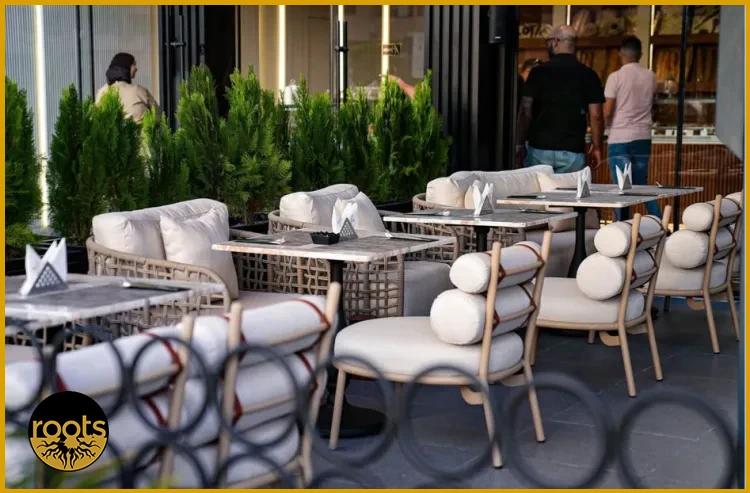
The Role of Modern Restaurant Seating Area Design in Business Success
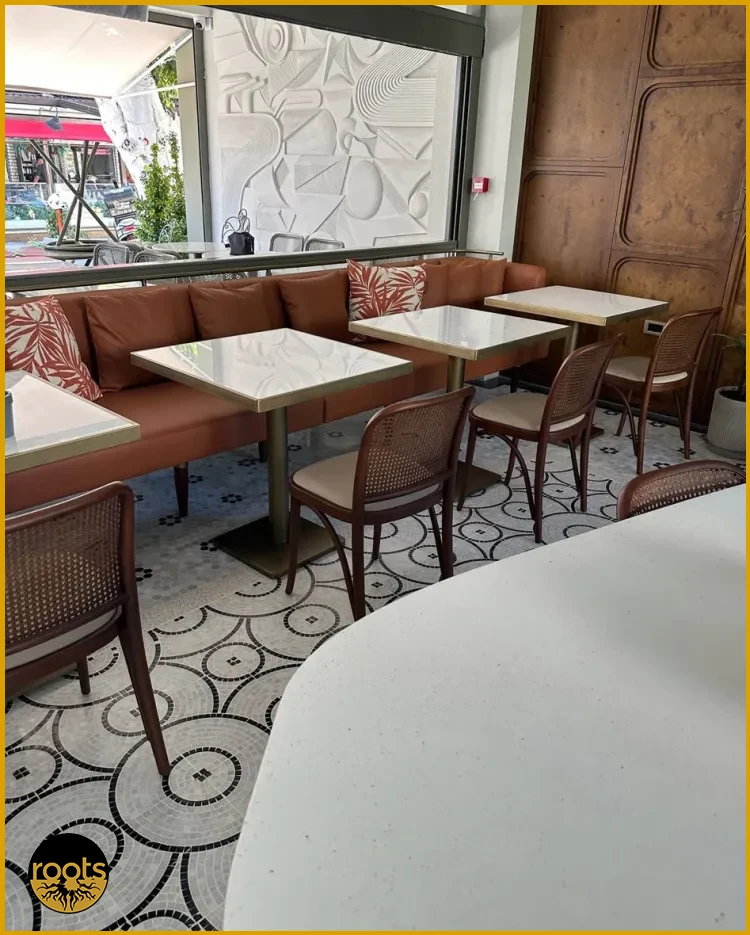
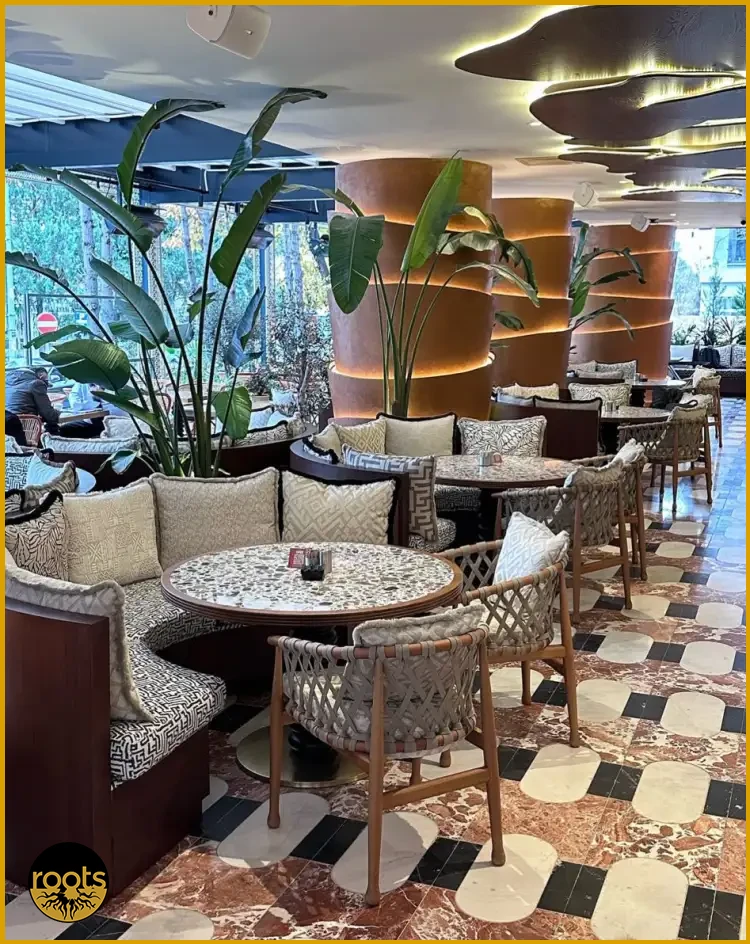
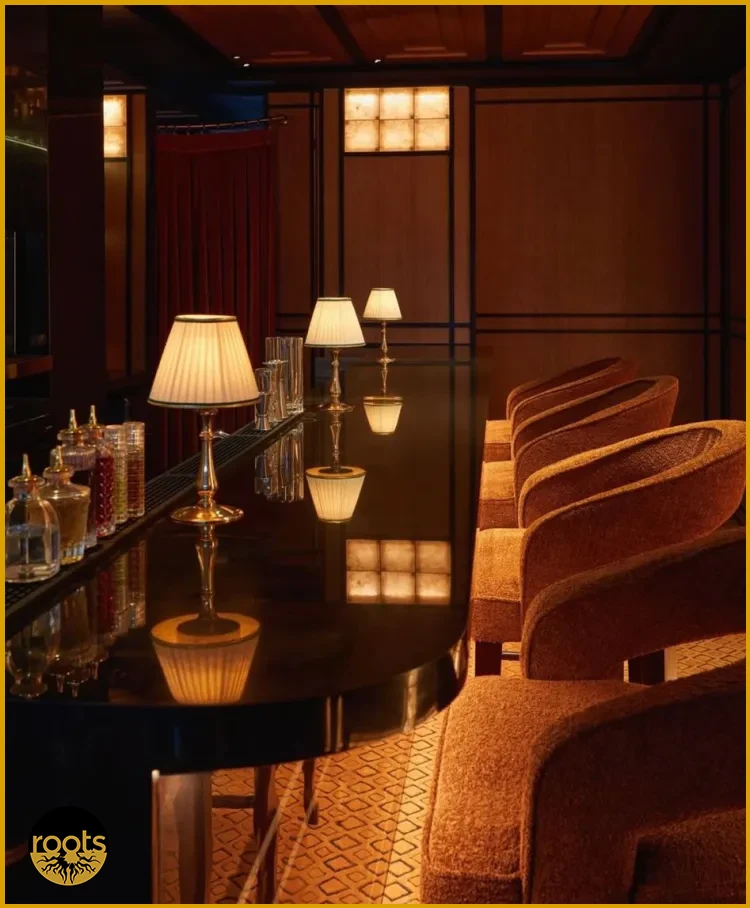
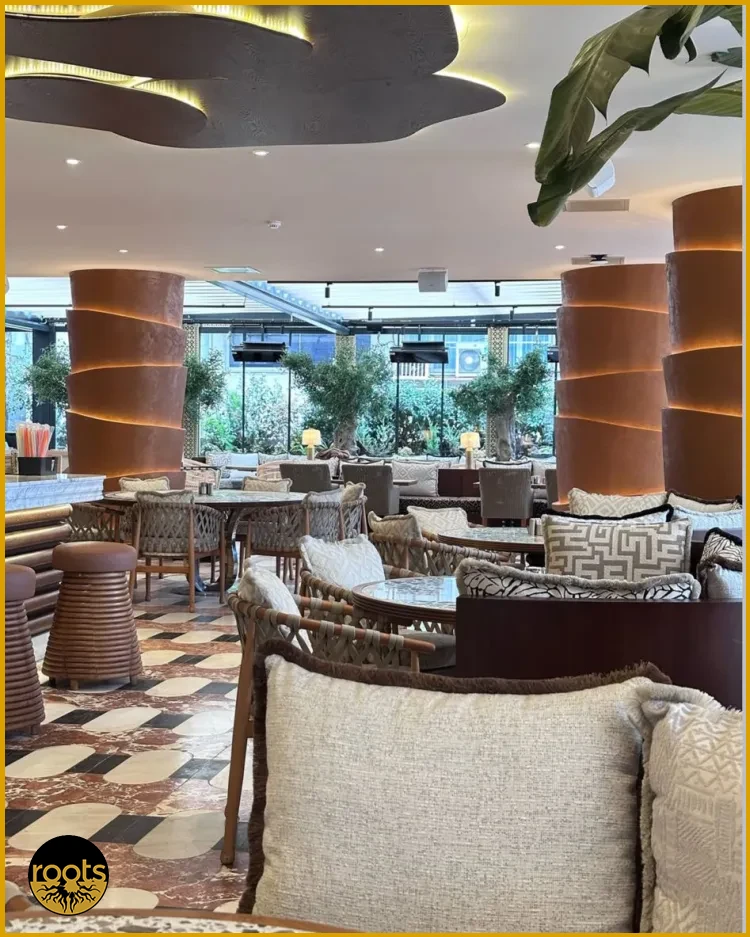
In today's gastronomy world, the success of a restaurant is directly related to the physical experience it offers as much as the quality of the menu it serves. The Modern Restaurant Seating Area is not just a place where customers eat; it is a strategic component that reflects the spirit of the venue, determines comfort and optimizes the duration of guests' stay. A well-planned seating arrangement increases operational efficiency while also strengthening brand identity.
These areas can be designed as modular structures that encourage social interaction or as isolated corners that offer a special experience. Modern approaches combine aesthetics with ergonomics, offering solutions that appeal to both the eye and body health.
Who Is It Suitable For and What Needs Does It Meet?
Modern seating solutions appeal to a wide range of different business types:
- Newly Opened Businesses: Venues that want to establish their brand image on a solid foundation from the start.
- Venues in the Renovation Process: Those who want to respond to the expectations of the new generation of consumers while preserving their existing customer base.
- Architects and Interior Architects: Professionals who want to combine aesthetic integrity with durability in their projects.
- Corporate Office Canteens and Cafeterias: Companies that want to offer their employees a dynamic and relaxing break area.
These products particularly meet the need for space optimization. Providing maximum capacity in narrow spaces without disturbing the feeling of spaciousness is one of the main goals of modern design.
Material Types and Technical Comparison
Material selection in restaurant furniture varies according to criteria such as whether the venue is indoor or outdoor, usage intensity and budget. The following table evaluates the most frequently preferred material types from different perspectives:
| Material Type | Durability Level | Area of Use | Cost Scale | Maintenance Need |
|---|---|---|---|---|
| Solid Wood | High (Indoor) | Interior Architecture | High | Periodic Varnish/Maintenance |
| Metal (Electrostatic Painted) | Very High | Indoor & Outdoor | Medium | Low |
| Industrial Polymer / Plastic | Medium - High | Outdoor & Fast Food | Economical | Very Low |
| Upholstered (Fabric/Leather) Units | Medium | Fine Dining / Lounge | Medium - High | High (Cleaning) |
Critical Points to Consider Before Purchasing
Considering the following points when selecting products to create a modern seating area is the key to a long-term investment:
- Ergonomics: The compatibility of chair heights with tables (standard 45 cm seat height) and the angle of the back support directly affect customer comfort.
- Fabric Quality: If an upholstered model is to be preferred, fabrics with a high Martindale test result (abrasion-resistant) and easily wipeable, stain-resistant fabrics should be chosen.
- Frame Structure: Commercial use is much more intensive than home use. Therefore, the joint points of the frame (weld quality or mortise joints) should be carefully examined.
- Floor Compatibility: The glides on the feet of the furniture being suitable for the floor type (parquet, marble, ceramic) both prevents noise and protects the floor.
- Modularity: In order for the venue to be quickly organized according to crowded groups, lightweight but durable models that can be nested or easily moved can be preferred.
In What Ways Does It Differ from Its Alternatives?
Classic furniture pieces are generally heavy and cumbersome structures. Modern seating units, on the other hand, combine minimalism with functionality. While visual appeal comes to the fore in traditional designs, the principle of "form follows function" applies in modern designs. Thanks to the use of sustainable materials and technological production techniques, these products present a lighter, more durable and more aesthetic profile.
Frequently Asked Questions
Question 1: What should the ideal table-chair distance be for modern seating areas?
Answer: For a comfortable movement area, it is recommended to leave at least 45-60 cm between two tables, and 90-120 cm of clearance in main walkways.
Question 2: What should be considered when choosing modern furniture for outdoor spaces?
Answer: UV-resistant, perforated structures that can drain rainwater, or aluminum/galvanized frames protected against rust should be preferred.
Question 3: How does seating area design affect customer circulation?
Answer: Very comfortable and soft sofas encourage customers to stay longer (Lounge concept), while harder and more upright chairs support faster circulation (Fast Food concept).
Final Decision Process
When designing a modern seating area for your business, instead of focusing solely on visuals, you should consider the balance between service life and cost. Although choosing quality materials may seem costly at first, using them for many years without requiring maintenance will reduce your operating expenses. By making comfortable and durable choices that suit the spirit of your venue, you can create an unforgettable atmosphere for your guests.