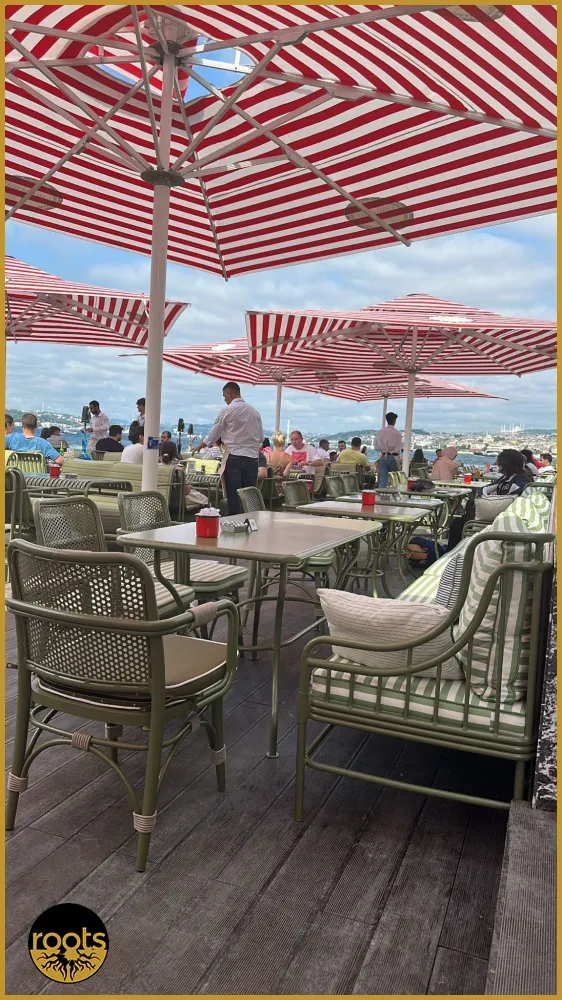
The Point Where Aesthetics and Functionality Meet in Restaurant Design: Roots Design
Another element that is as important as food quality for a restaurant business is the physical environment in which guests are present. Restaurant design is not just the arrangement of tables and chairs; it is a strategic process that tells the brand's story, determines operational speed and increases customer loyalty. The Roots Design approach focuses on commercial sustainability while also revealing the spirit of a venue.
Why Does Venue Design Play a Critical Role?
In the modern gastronomy world, customers go out not just to "fill their stomachs" but to "have an experience." A properly constructed design meets the following basic needs:
- Customer Psychology: Color choice, lighting and acoustics directly affect how long a customer stays in the venue and their spending habits.
- Operational Flow: The service staff's route from the kitchen to the table, the location of payment points and kitchen ergonomics determine the speed of the business.
- Brand Identity: Roots Design principles ensure that the culinary culture your business offers and the decoration are in integrity.
Who Is It Suitable For?
Getting professional design support is of vital importance not only for large-scale businesses but also for boutique projects. This service is especially suitable for the following groups:
- Entrepreneurs planning to open a new restaurant or cafe.
- Business owners who want to modernize their existing venue and expand their customer base.
- Structures entering the branding process and aiming to become a chain restaurant.
- Boutique businesses that want to differentiate in areas with high competition.
Material Selection and Technical Comparison
The durability, cleanability and cost of the materials used in restaurant design are the most important factors determining the budget and lifespan of the project. The following table compares the basic features of commonly used materials:
| Material Type | Durability | Area of Use | Cost Index |
|---|---|---|---|
| Natural Wood (Solid) | Medium - High | Interior / Furniture | High |
| Industrial Metal | Very High | Lighting / Facade | Medium |
| Quartz & Natural Stone | Very High | Bar and Kitchen Countertop | High |
| Ceramic & Porcelain | High | Floor / Wet Areas | Medium - Low |
| Composite Panel | High | Exterior Facade / Signage | Medium |
Things to Consider in the Purchasing and Decision-Making Process
Before starting to work with a design office or implementation team, it is recommended that you evaluate the following criteria:
- Reference Check: Have successful projects been signed in similar concepts (cafe, restaurant, bar) before?
- Budget Management: It is as important for the design to be aesthetic as it is to stay within the determined budget limits.
- Material Knowledge: Since there is heavy circulation in commercial areas, wear-resistant materials should be preferred.
- Lighting Plan: Maximum benefit from daylight and ambiance lighting for evening hours should be planned technically.
Features That Distinguish It from Alternatives
Unlike a standard decoration service, the Roots Design approach does not merely decorate a space; it constructs it as a living environment. Instead of ready-made furniture packages, furniture custom-produced for the space and original art applications ensure that the business gains a character of its own. This also allows the investment to provide a higher return (ROI) in the long term.
Frequently Asked Questions
1. How long does the restaurant design process take?
Although the process varies depending on the square meterage of the space and the depth of the intervention to be made, it is generally completed in 4 to 12 weeks. Planning and permit processes may affect this period.
2. What determines design costs?
Costs are calculated according to variables such as the quality of the selected material, the need for custom-produced furniture, the integration of kitchen equipment and lighting technologies.
3. Is professional design necessary for small spaces?
Absolutely yes. In small areas, professional layout planning is far more critical in order to increase square meter efficiency and create a spacious perception.
A Result-Oriented Approach
A proper restaurant design project does not only make the business look aesthetic; it also increases kitchen efficiency, supports staff motivation and raises the value of the brand by ensuring that guests feel comfortable. At the decision-making stage, professional solutions that focus not only on visuals but also on technical infrastructure and material lifespan are always a profitable investment.











































































