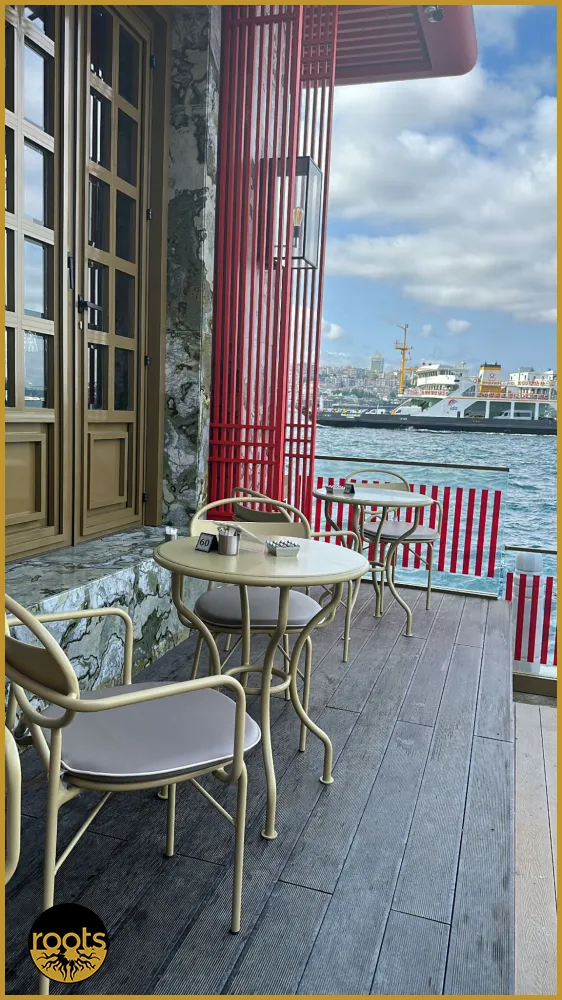
Roots Design Approach in Restaurant Design Processes
The success of a restaurant is directly related to the atmosphere and experience it offers its guests, beyond the flavors it serves. The Restaurant design process is not only an aesthetic arrangement, but also the art of transforming operational efficiency and brand identity into a spatial form. Roots Design combines the spirit of the space (root) with modern engineering solutions in this process.
Contributions of the Right Design to the Business
A well-planned restaurant design ensures that the customer feels safe and comfortable from the moment they enter the door. Space flow (circulation) is of critical importance for both staff efficiency and customer privacy. Roots Design prioritizes functionality and addresses every detail as a whole, from acoustic balance to lighting hierarchy.
Which Needs Does It Respond To?
The restaurant design service appeals to a wide audience, from entrepreneurs establishing a new business to experienced operators who want to modernize their existing space. The following needs are particularly the focus:
- Physicalization of Brand Identity: Harmony between the culinary culture offered by the business and the decoration.
- Space Optimization: Providing maximum seating capacity per square meter without compromising comfort.
- Operational Ergonomics: Arranging the distance between the kitchen and service areas so that staff achieve the highest efficiency with the least effort.
- Sustainability: Reducing operating costs with long-lasting materials and energy-saving lighting solutions.
Material Selection and Durability Analysis
When selecting materials used in restaurants, hygiene standards and wear resistance should be considered as well as aesthetics. Roots Design establishes a balance according to the character of the material in its projects. In the table below, you can examine the comparison of the most frequently preferred material types in commercial spaces:
| Material Type | Area of Use | Durability | Cost Axis | Maintenance Need |
|---|---|---|---|---|
| Natural Wood (Solid) | Floor, Furniture, Panel | Medium (Sensitive to impacts) | High | Requires periodic varnishing |
| Industrial Metal | Lighting, Decor, Shelf | Very High | Medium | Low |
| Natural Stone / Marble | Bar Counter, Table | High | Very High | Requires stain protection |
| Ceramic / Porcelain | Floor, Wall | High | Economical / Medium | Very Low |
Critical Points to Consider Before Purchasing
Evaluating the following points before starting to work with a design office or approving an implementation project minimizes the risks that may arise in the long term:
- Target Audience Analysis: It should be clarified whether the design is suitable for a "Fine Dining" or "Fast Casual" concept.
- Lighting Strategy: Utilization of daylight and the presence of dimmable systems that will change the atmosphere in the evening hours.
- Ventilation and Acoustics: Technical infrastructure design to prevent customers from being disturbed by food odors and to prevent noise pollution.
- Flexibility: Modular solutions suitable for possible future growth or concept change scenarios.
Frequently Asked Questions (F.A.Q.)
Question 1: How long does the restaurant design process take?
Answer: The process varies depending on the size of the space and the complexity of the concept. An average design and project process is completed in 2-4 weeks, and the implementation process in 6-12 weeks.
Question 2: Does Roots Design make partial touches to an existing business?
Answer: Yes, in addition to holistic projects, Roots Design also offers strategic renovation services that will change the atmosphere of the space. This provides a refreshed look while optimizing costs.
Question 3: Which style is more long-lasting in design?
Answer: Timeless designs are always safer investments. Approaches in which natural materials are combined with modern lines and that are not overly trend-focused ensure that the business remains current for many years.
Question 4: What kind of solutions should be produced for small spaces?
Answer: In small spaces, light color palettes, mirrors and vertical storage/display units should be preferred. In addition, multi-purpose furniture helps the area to be perceived as larger.
In conclusion; the success of a restaurant lies at the intersection of architectural aesthetics, comfort and operational intelligence. Roots Design aims to create not just a space but a living brand area by bringing these three components together. A well-planned restaurant design is a strategic commercial move that returns the investment cost in a short time.











































































