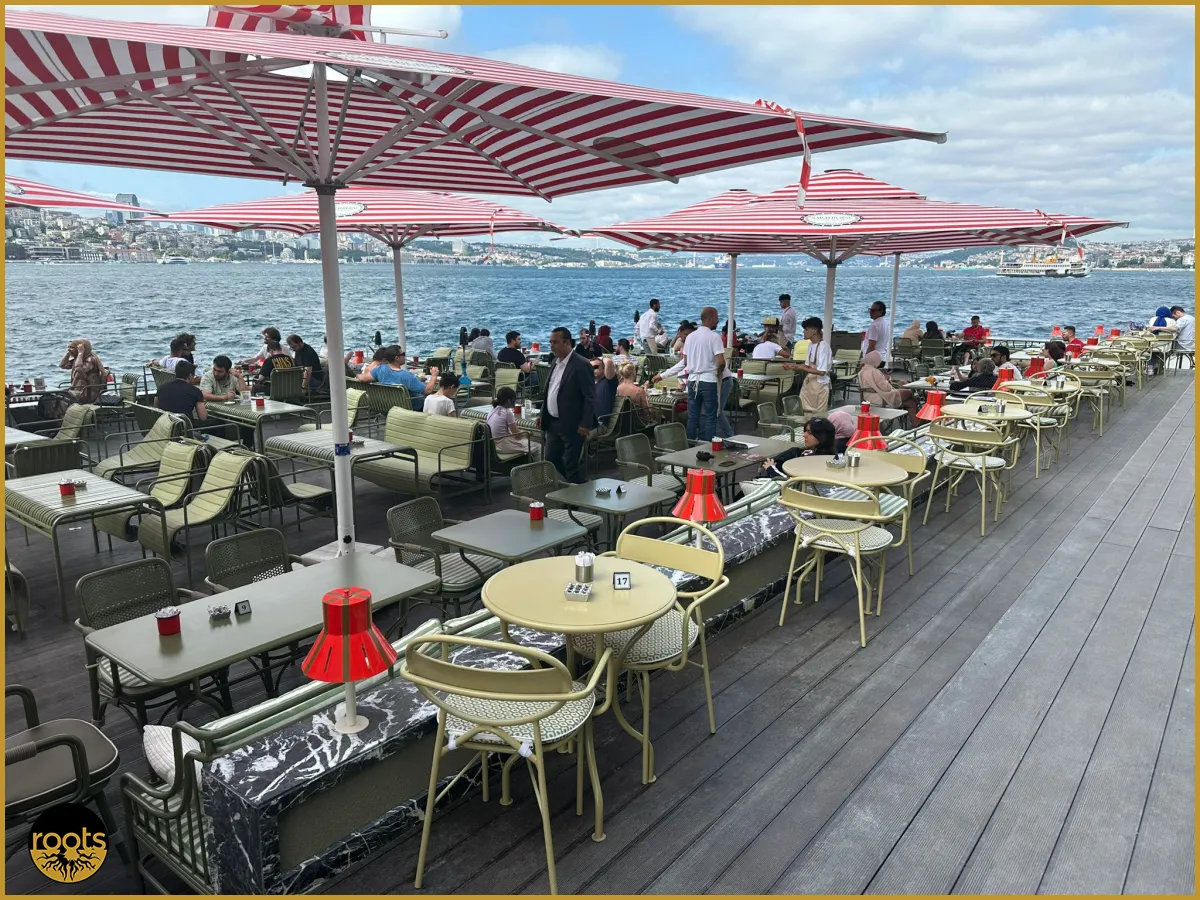
The Foundations of Modern Restaurant Design and the Roots Design Approach
The success of a restaurant depends not only on the quality of the dishes served, but also on how guests feel in that space. Restaurant design goes far beyond an aesthetic concern; it is a physical expression of operational efficiency, customer psychology and brand identity. The Roots Design concept aims to create spaces that are both functional and have a story by delving into the "roots" of the venue. This approach is not just a decoration process, but also a process of building the soul and commercial sustainability of the space.
What Does Restaurant Design Do and What Does It Aim For?
A professional design process maximizes the square meter efficiency of the space. With correct planning, service traffic accelerates and communication between the kitchen and the dining area is optimized. In the Roots Design philosophy, the main goal is to ensure that the customer has an experience from the moment they enter the door. This process covers a wide range, from lighting mechanisms to acoustic arrangements, from furniture ergonomics to scent management.
Who Is It Suitable For?
Restaurant design and professional design services are of critical importance for the following groups:
- New Investors: Those who will step into the sector for the first time and want to create a strong brand perception.
- Businesses Renewing Their Concept: Established restaurants that want to keep their existing customer base and appeal to new audiences.
- Chain Brands: Operations that want to create a standard architectural language during the franchising process.
- Boutique Cafes and Gastropubs: Operators aiming to use limited space with maximum efficiency and originality.
What Makes Roots Design Different from Its Alternatives?
Unlike standard interior architecture solutions on the market, Roots Design focuses on the naturalness of the material and the local texture. Instead of mass-produced decorative elements, timeless and sustainable materials suited to the story of the space are preferred. While alternative designs generally focus on periodic trends, this approach offers long-term durability and flexible structures that can easily adapt to changing needs.
Comparison of Material Selection and Application Areas
The materials preferred in restaurant projects directly affect the atmosphere, maintenance costs and lifespan of the space. The following table summarizes the characteristic features of different material types:
| Material Type | Durability | Area of Use | Cost Level | Maintenance Need |
|---|---|---|---|---|
| Solid Wood | High (With Proper Maintenance) | Indoor / Furniture | High | Regular Oiling/Polishing |
| Industrial Metal | Very High | Indoor and Outdoor | Medium - High | Low |
| Natural Stone / Marble | High (Stain Sensitivity) | Floor / Countertop | Very High | Medium |
| Composite Materials | Medium - High | Wall Panel / Decor | Economical | Very Low |
Points to Consider Before Purchasing and Design
Considering the following points before receiving a design service or starting the implementation process will accelerate the return on your investment:
- Target Audience Analysis: How long will your customers spend in the venue? Is fast turnover the goal, or long-term comfort?
- Operational Flow: The distance between the kitchen exit and the tables, the servers' movement area and the payment point must be positioned strategically.
- Lighting and Acoustics: A venue that is too noisy or incorrect lighting can overshadow the quality of the food.
- Official Regulations: Fire regulations, ventilation standards and municipal permits must be at the center of the design.
- Budget and Time Management: An option allowance must always be set aside for additional costs that may arise during the implementation phase.
Frequently Asked Questions
1. How long does the restaurant design process take?Depending on the size of the project and the complexity of the concept, the design phase can range from 2-4 weeks, and the implementation phase from 8-12 weeks.
2. Can Roots Design be applied to a small space?Yes, and in fact, in small spaces the functional solutions of Roots Design yield much more effective results. With smart storage and the right play of light, the space can be made to look more spacious than it is.
3. Why should natural materials be preferred in design?Natural materials are not only aesthetic, but also evoke a sense of trust and warmth in the customer. In addition, materials that gain character as they age offer a more economical solution in the long term.
4. Can I include my existing furniture in the new design?Sustainability is important in a professional design process. Your existing furniture can be integrated into the new design by making it compatible with the concept or by restoring it.
In conclusion, the restaurant design investment is the most concrete investment made in the future of a business. A venue built on Roots Design principles is not just an aesthetic space; it is a living organism that increases employee efficiency, creates customer loyalty and raises the value of the brand. Going beyond trends in the decision-making process and focusing on functional solutions that fully respond to the needs of your business will directly affect your chances of success.











































































