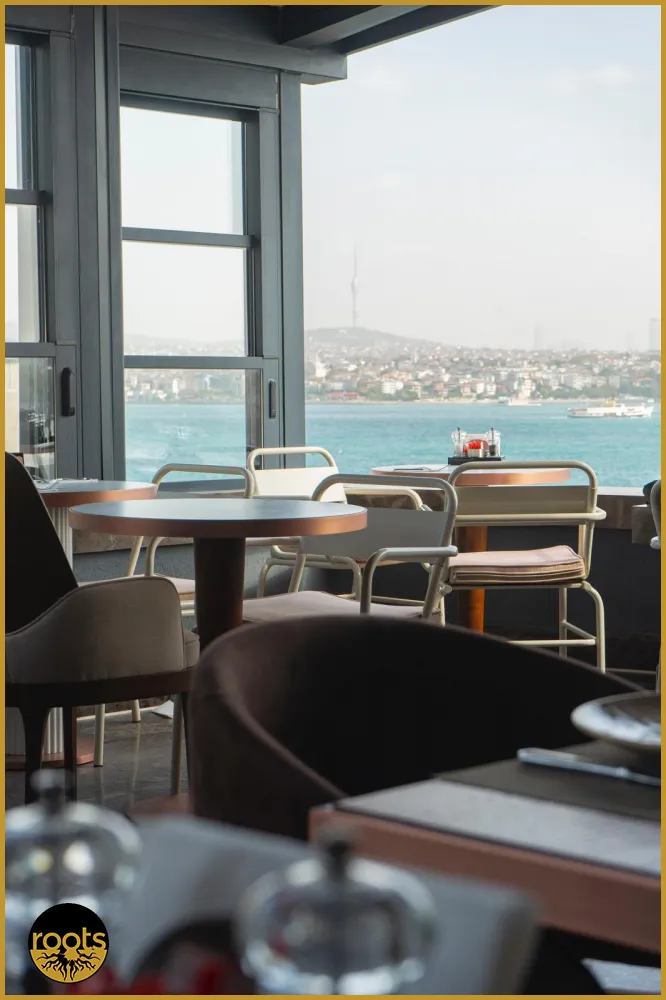
Architectural Design and Interior Architecture Execution Processes in Restaurant Projects
The success of a restaurant business depends not only on the quality of the food served, but also on the experience offered by the space the customer is in. A restaurant project is a complex engineering and art discipline that combines the aesthetic perception of a space with operational efficiency. Interior architecture execution design is the most fundamental element that determines the spirit of the space throughout the process from the concept stage to turnkey delivery.
The architectural project stage is the concretization of every detail, from a restaurant's kitchen workflow to customer circulation, from ventilation systems to acoustic balance, through technical drawings. While this process transforms the investor's vision into a physical reality, it aims for full compliance with legal regulations and operational needs.
Why Is Restaurant Design of Critical Importance?
A professional interior architecture execution design does not only offer visual appeal; it also optimizes operating costs. A well-planned layout increases speed by reducing the steps of service staff and maximizes customer comfort. The right lighting and material selection can directly affect customers' length of stay in the space and their spending habits.
The fundamental elements to consider in restaurant projects are as follows:
- Kitchen and Service Balance: Planning kitchen capacity in direct proportion to the dining room seating capacity.
- Circulation Areas: Ensuring that waiter routes do not overlap with customer passage areas.
- Acoustic Planning: Use of sound-absorbing panels and materials so that customers can hear each other comfortably even during busy moments.
- Lighting Strategy: Maximum benefit from daylight and layered lighting design that supports the atmosphere during evening hours.
Material Selection and Execution Comparison
The materials selected in restaurant projects determine the lifespan of the space and its maintenance costs. The following table summarizes the performance of commonly preferred material types across different axes:
| Material Type | Durability | Area of Use | Cost Axis | Maintenance Need |
|---|---|---|---|---|
| Natural Stone / Marble | Very High | Bar Counter, Floor | High | Medium (Requires polishing) |
| Solid Wood | Medium - High | Table, Panel, Decor | Medium - High | Requires regular maintenance |
| Industrial Metal | Very High | Kitchen, Exposed Ceiling | Medium | Low |
| Ceramic / Porcelain | High | Wet Areas, Floor | Economical - Medium | Very Low |
Points to Consider During the Architectural Project and Execution Stage
There are critical points that investors and designers should focus on before starting a restaurant project. These points prevent revision costs that may be experienced in the later stages of the project:
- Mechanical and Electrical Infrastructure: The energy needs of kitchen equipment and the capacity of the ventilation (exhaust) system must be resolved before decoration.
- Official Regulations: Fire exits and disabled accessibility in accordance with municipality and fire department regulations must be included in the project from the very beginning.
- Brand Identity Alignment: The design must match the culinary culture presented (Fine-Dining, Fast-Food, Brasserie, etc.).
- Lighting and Color Psychology: Preference for appetite-stimulating color palettes and light sources with high CRI values that make products look vivid.
Frequently Asked Questions
1. How long does the design process of a restaurant project take?
Depending on the size and scope of the project, concept design generally takes 2-4 weeks, while the preparation of execution projects can take 3-6 weeks. The execution stage varies depending on the procurement time of the selected materials.
2. Why is an interior architecture execution project necessary?
The execution project ensures that all teams on the construction site (electrician, plumber, furniture maker) speak the same language. It prevents faulty manufacturing, provides budget control and minimizes time losses.
3. What is the biggest challenge when converting an existing space into a restaurant?
Usually the biggest challenge is the infrastructure. Especially in old buildings, the installation of the flue system, adapting the wastewater drains to the restaurant's load, and meeting the high energy demand are the most costly items that require technical attention.
4. In restaurant design, should trends or timelessness be preferred?
For a sustainable business, choosing the main concept as timeless and the changeable decorative elements (lighting fixtures, textile products, wall art) in line with trends offers the opportunity for low-cost renewal in the long term.
In conclusion, a restaurant project is not just a construction activity, but the physical form of a business model. Managing the architectural project and interior architecture execution design processes from a professional perspective both shortens the return on investment period and increases the brand value of the space. Projects where the right materials, functional planning and aesthetic touches come together always stay one step ahead in the highly competitive food and beverage sector.











































































