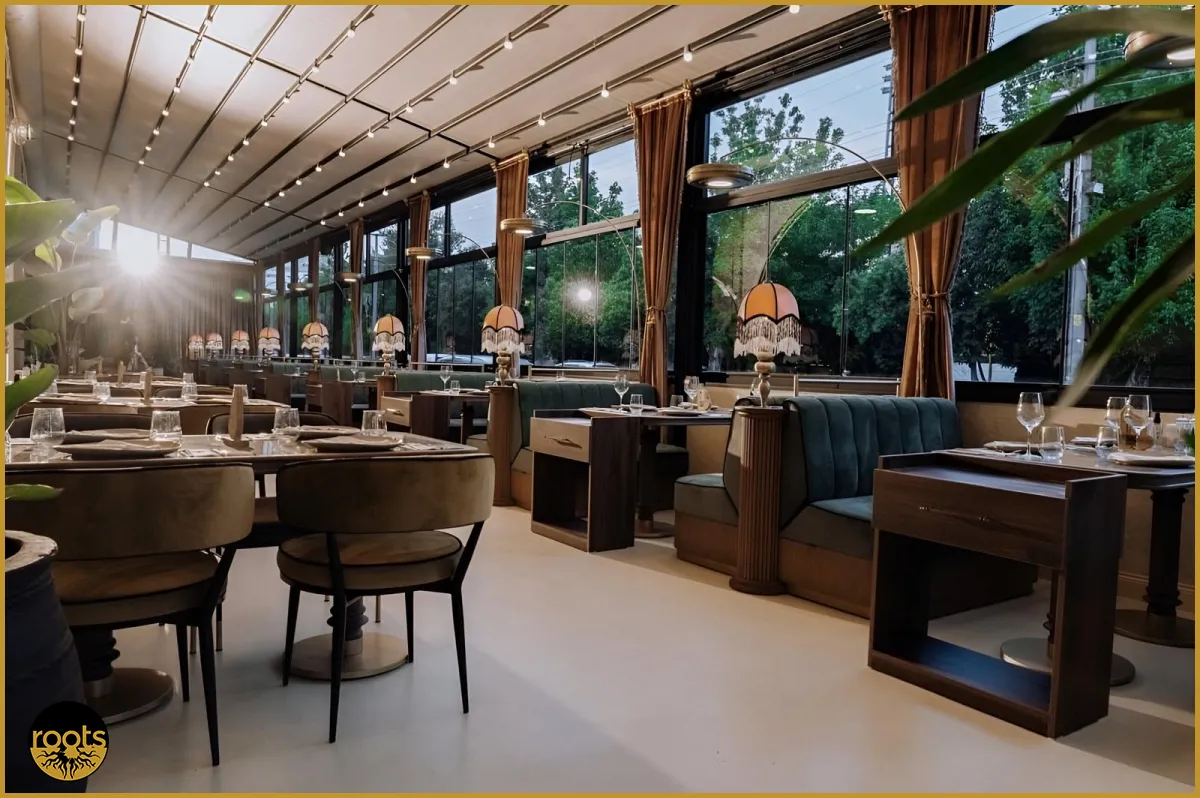
RESTAURANT PROJECT - INTERIOR ARCHITECTURE IMPLEMENTATION DESIGN - RESTAURANT PLAN
When bringing a restaurant project to life, a comprehensive interior architecture implementation design and a correct restaurant plan lie at the foundation of a successful operation. These two elements not only address aesthetic concerns but also directly affect the functionality of the space, the customer experience and operational efficiency. Understanding all the details of this process is of great importance for creating a successful dining venue.
What Is Restaurant Project Interior Architecture Implementation Design?
Restaurant project interior architecture implementation design is the determination of all interior details in line with the concept of a dining venue through technical drawings, material and color selections, lighting plans and furniture arrangements. This stage is a roadmap containing all the technical information required to bring the architectural project to life. It aims to maximize not only the appearance but also the functionality of the space.
What Is a Restaurant Plan For?
The restaurant plan is a map showing the layout arrangement of the space, the dimensions of different areas and their relationships with one another. This plan determines how all units, from the customer reception area to the kitchen and service areas, will be positioned in the most efficient way. An effective restaurant plan:
- Facilitates Operational Flow: It optimizes staff movement and shortens service times.
- Improves the Customer Experience: It provides comfortable seating arrangements, a good atmosphere and easy access.
- Ensures Maximum Capacity: By making the use of the space as efficient as possible, it makes it possible to host more customers.
- Keeps Costs Under Control: It prevents unnecessary use of space and helps with material and labor planning.
Who Is It Suitable For?
These services and this detailed planning are of great importance for the following groups:
- Entrepreneurs Opening a New Restaurant: To lay the right foundations when establishing a venue from scratch.
- Operators Renovating Their Existing Restaurant: Those who want to increase the efficiency of the venue, update the concept or improve the customer experience.
- Chain Restaurant Brands: To ensure consistency and standardization.
- Entrepreneurs Taking a Franchise: To create a venue in line with the standards set by the brand.
- Concept Stores and Cafe Operators: Those who have dining areas but want these areas to be professionally designed.
Which Needs Does It Meet?
A restaurant project interior architecture implementation design and restaurant plan mainly meet the following needs:
- Functional Space Planning: It provides the ideal placement of all units such as the kitchen, service, storage, restrooms and customer seating areas.
- Aesthetic and Conceptual Integrity: It creates a memorable and attractive atmosphere in line with the brand identity.
- Technical Detailing: It determines the placement and details of systems such as electricity, water, ventilation and lighting.
- Material and Color Selection: It ensures the determination of materials suitable for the use, durability and aesthetics of the space.
- Customer Experience Optimization: It increases customer satisfaction through the atmosphere, comfort and flow of the venue.
- Compliance with Legal Requirements: It helps create a design in compliance with legal regulations such as fire safety and hygiene standards.
In Which Situations Should It Be Preferred?
This kind of professional support should definitely be preferred in the following situations:
- Opening a New Venue: Correct planning from the start prevents problems that may arise in the future.
- Comprehensive Renovation of an Existing Venue: In renovations that will change the operation or completely transform the venue.
- The Desire to Strengthen Brand Identity: When the values of the brand need to be reflected through the atmosphere of the venue.
- Efficiency Problems: When operational inefficiencies such as difficulties in staff movement or slow service are experienced.
- Customer Complaints: When negative feedback is received about the comfort, atmosphere or layout of the venue.
How It Differs from Alternatives
Compared to alternatives such as traditional design approaches or planning on your own, a professional interior architecture implementation design and restaurant plan stand out in the following respects:
- Expertise and Experience: Prepared by professionals who know the sector-specific needs and dynamics.
- Technical Detailing: Includes not only aesthetics but also all details for construction and implementation.
- Efficiency Focus: Works with scientific principles to optimize operational flow and customer experience.
- Cost Optimization: Prevents unnecessary costs in the long term, provides informed decisions in material selection.
- Risk Reduction: Anticipates potential problems and produces solutions at the design stage.
Things to Consider Before Purchasing
Important points to consider when receiving interior architecture implementation design and restaurant plan services for a restaurant project are as follows:
- Review the Designer's Portfolio: Review their success and style in previous restaurant projects.
- Check References: Contact their previous clients to learn their satisfaction levels.
- Clearly Define Your Needs: Be clear about your venue's concept, target audience, budget, and similar matters.
- Compare Proposals in Detail: Evaluate not only the price but also the scope of the services offered.
- Communication and Understandability: Make sure you can easily communicate with the designer and that they understand your ideas.
- Contract Details: Make a contract that clarifies matters such as delivery times, revision rights, and payment terms.
- Information on the Implementation Stage: Learn how much support the designer will provide during the implementation process and on-site inspections.
Material Selection and Properties
The selection of materials used in restaurants is of great importance both aesthetically and functionally. Factors such as durability, ease of cleaning, and cost should be taken into consideration.
| Material Type | Durability | Area of Use (Indoor/Outdoor) | Estimated Cost | Properties |
|---|---|---|---|---|
| Ceramic / Porcelain | Very High | Indoor and Outdoor | Medium | Easy to clean, stain-resistant, scratch-resistant. Available in different patterns and textures. |
| Natural Stone (Marble, Granite) | High | Indoor and Outdoor | High | Aesthetic and prestigious. Its natural patterns are unique. May require maintenance. |
| Wood (Solid, Veneer) | Medium - High (depending on protection) | Indoor | Medium - High | Creates a warm and natural atmosphere. May be sensitive to moisture and scratches. |
| Epoxy Flooring | Very High | Indoor | Medium | Hygienic, easy to clean, resistant to chemicals. Frequently used in industrial kitchens. |
| Dekton / Similar Compact Surfaces | Very High | Indoor and Outdoor | High | Scratch-resistant, stain-resistant, heat-resistant. Ideal for kitchen countertops and wall coverings. |
Frequently Asked Questions
This process varies depending on the size and complexity of the restaurant and the designer's way of working. It can generally take between a few weeks and a few months. It requires a detailed planning and drawing process.
No, the restaurant plan covers not only the seating arrangement but also the layout of all functional areas such as the kitchen, service corridors, bars, restrooms, storage areas, and staff areas. Its main purpose is to optimize operational flow.
Implementation design is the detailed version of the architectural project and is one of the fundamental documents in construction permit applications. However, all architectural drawings required for permitting processes (structural, mechanical, electrical projects, etc.) must also be prepared separately.
Generally, it is recommended that the design firm or project manager conducts site inspections to ensure the design is implemented correctly and completely. This ensures that the details in the drawings are preserved during implementation.
Yes, even in small spaces, detailed planning is very important if maximum efficiency and customer satisfaction are the goals. In small areas, every square meter is valuable, and with the right planning, the potential of the space can be maximized.
Conclusion
One of the cornerstones of achieving success in your restaurant project is a professionally prepared interior architecture implementation design and a solid restaurant plan. These documents are indispensable for turning your vision into reality, ensuring operational efficiency, and creating an unforgettable customer experience. The right planning will ensure that your investment gains value in the long term.











































































