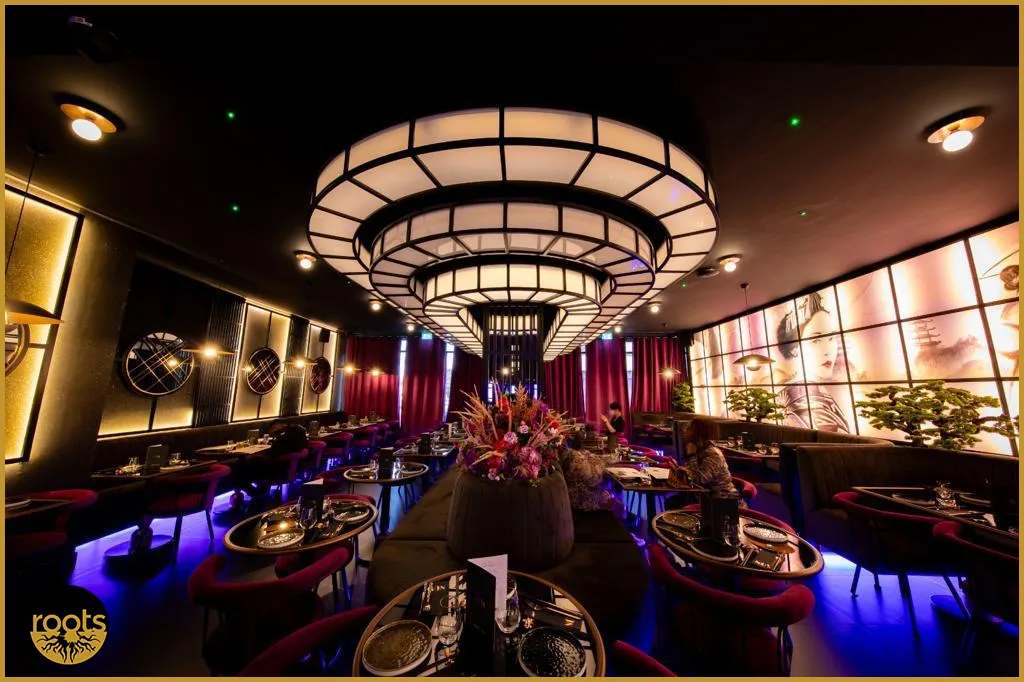
What Is a Restaurant Project and Interior Architecture Implementation Design?
The success of a restaurant is directly related not only to the menu it offers but also to the functionality and aesthetic integrity of the space in which that menu is presented. A restaurant project and interior architecture implementation design covers all the technical and artistic processes of a business, from the concept stage to the turnkey process. This process is not limited to determining the placement of tables; it is a professional engineering and design effort that includes many technical details, from electrical installation to ventilation, from kitchen workflow to customer circulation.
Key Components of Professional Restaurant Planning
A good restaurant plan aims to maximize operational efficiency while elevating the customer experience to the highest level. The implementation designs prepared within this scope include the following elements:
- Kitchen Workflow (Back of House): An ergonomic kitchen layout that allows chefs and staff to achieve the highest output with the least effort.
- Customer Reception and Hospitality: Designing the entrance area, waiting sections and dining areas in a way that does not obstruct circulation.
- Lighting and Acoustics: Technical calculations that determine the atmosphere of the space and directly affect customer comfort.
- Installation Integration: Planning water, natural gas and ventilation systems in compliance with regulations without compromising aesthetics.
Why Should a Professional Implementation Design Be Preferred?
Business owners who try to arrange a space with their own means generally encounter unplanned revisions and unexpected costs during the construction process. A professional implementation project minimizes these risks. Having all the details of the design resolved on paper reduces the margin of error during the manufacturing stage to zero. In addition, since the fire regulations, hygiene standards and accessibility criteria required by official institutions are resolved at the project stage, licensing processes are accelerated.
Material Selection and Comparison in Restaurant Interior Architecture
The materials to be used in restaurants must not only look good; they must also be resistant to intensive use and easy to clean. The following table compares frequently preferred material types according to different criteria:
| Material Type | Durability | Area of Use | Cost Axis |
|---|---|---|---|
| Natural Stone (Marble/Granite) | High (May be sensitive to scratching) | Countertops, Flooring, Reception Desks | High |
| Industrial Metal / Stainless Steel | Very High | Kitchen Equipment, Decorative Details | Medium - High |
| Solid Wood | Medium (Requires maintenance) | Table Tops, Wall Panels | High |
| Ceramic and Porcelain | High | Flooring and Wet Areas | Medium |
| Laminate / Composite Surfaces | Medium - High | Kitchen Cabinets, Office Areas | Economical |
Critical Points to Consider Before Purchasing
Reviewing the following items before purchasing an interior architecture service or implementation project ensures the safety of your investment:
- References and Portfolio: Examine whether the designer has previously carried out restaurant projects of a similar scale.
- Level of Technical Detail: Confirm whether the project to be presented to you consists only of 3D visuals or also includes technical drawings for manufacturing (electrical, installation, furniture details).
- Budget Compatibility: Clarify at the beginning of the project whether the designed project matches your implementation budget.
- Process Schedule: How long the design and implementation stages will take directly affects the opening date of the business.
Frequently Asked Questions
What should the kitchen-to-dining area ratio be when preparing a restaurant plan?
As a general rule, 30%-40% of the total area should be allocated to the kitchen and support units (storage, staff room, etc.), and 60%-70% to customer areas. However, these ratios may vary depending on the concept.
Can decoration be done without an implementation project?
Decoration is a visual process; however, decorations carried out without technical infrastructure projects such as electrical, plumbing and ventilation can lead to serious technical failures and legal problems in the future.
Why is lighting design important?
Lighting affects everything from how customers perceive the color of their food to the sense of warmth in the space. Incorrect lighting can shorten the time customers stay in the venue and have a negative effect on appetite.
Which materials should be preferred to reduce costs?
In high-traffic areas, porcelain ceramics for flooring and natural wood veneered MDF panels for furniture offer both an aesthetic appearance and are more economical than solid materials.
In conclusion, a successful restaurant project and interior architecture implementation design is a business strategy beyond aesthetic concerns. A well-planned space reduces operational costs while making customer satisfaction permanent. Focusing on feasible and sustainable designs supported by technical data at every stage of your investment is the key to long-term commercial success.











































































