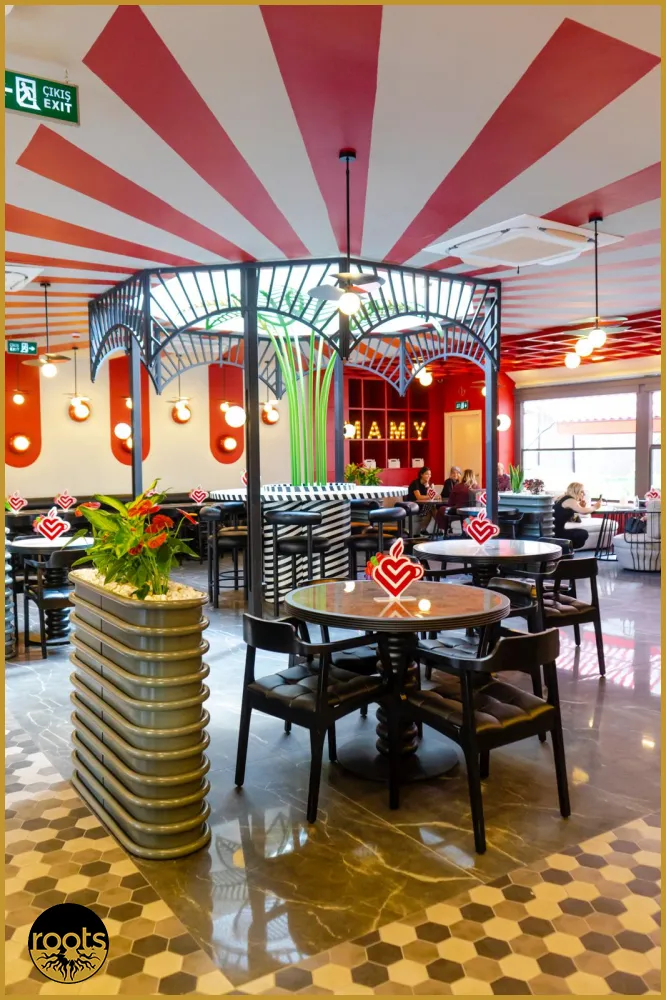
Restaurant Project: Comprehensive Interior Architecture Implementation Design and Restaurant Plan
Opening a new restaurant or renovating your existing venue is an exciting but also complex process. The foundation of a successful restaurant business is laid not only with delicious food and good service, but also with the functionality, aesthetics and customer experience of the space. At this very point, a professional restaurant project and interior architecture implementation design come into play. This comprehensive guide will guide you through every stage of your restaurant project, emphasize the importance of the restaurant plan and help you make informed decisions.
What Is a Restaurant Project and Interior Architecture Implementation Design?
A restaurant project is a planning process that covers all elements of a food and beverage venue, from its concept to its operational details. Interior architecture implementation design, on the other hand, is the detailed design of the interior of the space in order to make this project concrete. This process includes:
- CONCEPT DEVELOPMENT: Determining the identity of the space, its target audience and the experience it will offer.
- SPACE PLANNING: Placing areas such as the kitchen, service area, seating layout, restrooms and storage in the most efficient way.
- MATERIAL SELECTION: Determining suitable materials for floor, wall and ceiling coverings and furniture, taking durability, aesthetics and ease of maintenance into consideration.
- LIGHTING DESIGN: Planning lighting solutions that support the atmosphere and functionality of the space.
- DECORATION AND FURNITURE SELECTION: Selecting aesthetic and comfortable furniture and decorative elements that suit the concept.
- TECHNICAL DETAILS: Integration of infrastructure systems such as electricity, water, ventilation and fire safety into the design.
- VISUAL IDENTITY INTEGRATION: Harmonizing brand elements such as the logo, menu design and staff uniforms with the space design.
Why Is the Restaurant Plan So Important?
An effective restaurant plan is vital for the success of your business. A restaurant plan not only offers an aesthetic appearance, but also increases operational efficiency and maximizes guest satisfaction:
- Operational Efficiency: A well-designed kitchen and service area enable staff to work faster and without errors.
- Customer Experience: Comfortable seating layouts, a suitable atmosphere and smooth circulation areas please your guests.
- Cost Control: Correct material selection and planning reduce maintenance and renovation costs in the long term.
- Spatial Optimization: Increasing capacity and potential revenue by using every square meter in the best way.
- Legal Compliance: Compliance with food safety, hygiene standards and local regulations.
- Brand Image: The overall design of the space reflects your brand's identity and enables you to connect with your target audience.
Who Is It Suitable For?
Restaurant projects and interior architecture implementation designs are ideal for the following groups:
- Entrepreneurs Who Will Open a New Restaurant: Those who want to receive professional support in all processes from concept to implementation while establishing a business from scratch.
- Those Who Want to Renovate Their Existing Restaurants: Existing operators who want to modernize their business, improve the customer experience or increase operational efficiency.
- Chain Restaurant Brands: Large-scale brands that want to maintain brand consistency and standards while opening new branches.
- Professionals New to the Gastronomy Sector: Those who have experience in the sector but want to leave the space design to an expert.
- Cafes, Bistros, Bars and Other Food and Beverage Venues: Not only restaurants, but businesses with all kinds of food and beverage concepts.
Which Needs Does It Meet?
A professional restaurant project and interior architecture implementation design meets a range of essential needs:
- Concept Determination and Development: Creating an original restaurant concept that appeals to the target audience.
- Functional Space Arrangement: A plan that optimizes customer and staff flow and increases operational efficiency.
- Creating Aesthetics and Atmosphere: Creating an atmosphere that reflects the spirit of the space and where guests can have an enjoyable time.
- Cost-Effective Solutions: Achieving the best result within budget with long-lasting and aesthetic materials.
- Compliance with Legal Regulations: Ensuring that architectural plans comply with all relevant standards and regulations.
- Integration with Brand Identity: The space reflecting the brand's values and story.
When Should It Be Preferred?
Professional interior architecture implementation design and restaurant plan should be preferred in the following situations:
- When Opening a New Venue: When every detail needs to be planned correctly, starting from the ground up.
- When Reorganizing an Existing Venue: To gain a competitive advantage, increase customer satisfaction or solve operational problems.
- When Optimizing the Usage Area: When the goal is to use the existing space more efficiently or to increase capacity.
- When Strengthening Brand Identity: In cases where the venue is required to be fully compatible with the brand's overall image.
- To Maximize the Return on Investment: When the goal is to achieve a sustainable and functional design that will add value to the business in the long term.
What Are Its Differences from Alternatives?
Instead of trying to design on your own or using standard solutions, receiving a professional restaurant project and interior architecture implementation design service has many advantages:
- Expertise and Experience: Architects know the dynamics of the gastronomy sector, customer expectations and operational requirements in depth.
- Custom Solutions: Understanding that every venue and concept is unique, they offer unique and functional designs.
- Cost Efficiency: Although it may seem like an investment at first, in the long term it reduces the total cost by preventing error costs, unnecessary expenses and operational disruptions.
- Time Saving: It accelerates the design, planning and material supply processes, ensuring your project is completed sooner.
- Technology and Trend Integration: It integrates the latest design trends, material technologies and smart solutions into the project.
- Facilitation of Legal Processes: It provides support in bureaucratic processes such as license applications and construction permits.
Comparison of Different Material Options
In restaurant design, material selection is critically important in terms of both aesthetics and functionality. Here is a comparative summary of some commonly used material types on the axis of durability, area of use and cost:
| Material Type | Durability | Interior Architecture Area of Use | Cost (Estimated) |
|---|---|---|---|
| Natural Stone (Marble, Granite, etc.) | High | Floors, Countertops, Wall Claddings, Bar Surfaces | High |
| Ceramic and Porcelain | High | Floors, Wall Claddings (Kitchen, Bathroom, Common Areas) | Medium |
| Wood (Solid, Laminated, Composite) | Medium - High (Depending on Application) | Floors, Wall Panels, Furniture, Bar Fronts | Medium - High |
| Concrete (Polished, Decorative) | Very High | Floors, Countertops, Walls | Low - Medium |
| Metal (Stainless Steel, Iron) | High | Kitchen Equipment, Lighting Elements, Details, Furniture Frames | Medium - High |
| Glass (Tempered, Decorative) | Medium - High | Tabletops, Dividers, Decorative Elements | Medium |
Note: Costs may vary depending on material quality, workmanship and the supplier company.
What Should Be Considered Before Purchasing?
Important points you should pay attention to before receiving a restaurant project and interior architecture implementation design service are as follows:
- Portfolio and References: Review the previous restaurant projects of the architect or firm you will receive service from. Evaluate whether they are suitable for your concept and style.
- Experience and Area of Expertise: Make sure they are experienced not only in aesthetic concerns but also in subjects such as kitchen planning, material knowledge and command of legal regulations.
- Communication and Understanding: Make sure that the design team understands your vision, takes your requests into consideration and establishes transparent communication.
- Proposal and Contract Details: Clearly understand what the submitted proposal covers (design stages, deliverables, revisions, etc.). Make sure the contract to be made includes all details.
- Budget Planning: In addition to the design, create your total budget by also considering material, furniture, lighting and renovation costs.
- Delivery Times: Have realistic expectations about which stages of the project will take how long, and have these durations included in the contract.
Frequently Asked Questions
This content has been prepared to help you make informed decisions in restaurant projects and interior architecture implementation design processes.











































































