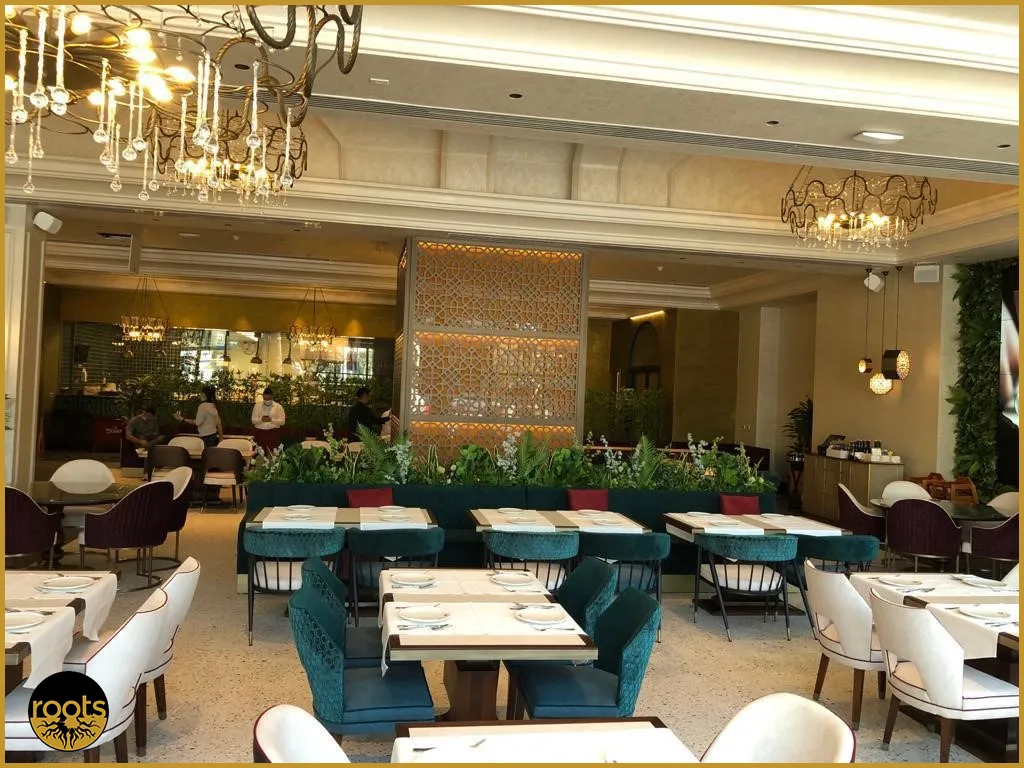
Architectural Restaurant Design and Its Strategic Importance
The success of a restaurant is directly related not only to the quality of the dishes served but also to the quality of the time the customer spends in that space. Architectural restaurant design is the most powerful tool that reflects a business's identity into the physical world. A well-constructed interior shapes the atmosphere, comfort and trust the customer feels from the moment they walk through the door. The design process is not merely an aesthetic concern but a component of operational efficiency, customer circulation and brand positioning.
What Does Restaurant Interior Design Cover?
Professional interior design aims to maximize the volumetric potential of the space. In this process, not only table and chair placement but also the following critical elements are addressed:
- Acoustic Planning: Enabling customers to hear each other comfortably and preventing kitchen noise from leaking into the dining area.
- Lighting Design: Light scenarios that can be adjusted according to different times of the day, define focal points and create an appetizing atmosphere.
- Ergonomics and Circulation: Ensuring that waiters' service routes and customers' movement areas do not overlap, and optimizing the flow between the kitchen and the dining hall.
- Ventilation and Air Conditioning: Preventing food odors from mixing and maintaining the ideal temperature in every season.
Why Should Architectural Support Be Obtained?
Although decorating on your own may seem like a cost advantage in the short term, it can lead to serious operational problems in the long term. An architectural touch increases the square meter efficiency of the space, providing more comfortable seating capacity in the same area. In addition, the durability and ease of maintenance of the materials used are factors that directly reduce operating expenses.
Material Selection and Comparison of Application Areas
In restaurant designs, material selection determines both the budget and the lifespan of the space. The following table summarizes the characteristics of some frequently preferred materials:
| Material Type | Durability Level | Area of Use | Cost Axis |
|---|---|---|---|
| Natural Stone / Marble | High (Scratch-resistant) | Bar counter, Floor, Wall Panels | High |
| Solid Wood | Medium (Requires maintenance) | Table tops, Ceiling details | Medium - High |
| Industrial Metals | Very High | Lighting, Divider panels, Furniture legs | Medium |
| Ceramic and Porcelain | High (Hygienic) | Kitchen, Wet areas, Floor | Low - Medium |
Points to Consider Before Purchasing and Design
Considering the following points before contracting a design office or architectural service ensures that you get the return on your investment:
- Target Audience Analysis: Are you opening a fast-food chain, a fine-dining restaurant or a third-wave coffee shop? Each concept has a different material and lighting language.
- Kitchen and Dining Hall Balance: How much of the total area will be allocated to production (kitchen) and how much to consumption (dining hall) is a technical necessity.
- Local Regulations: Legal requirements such as fire exits, disabled access and kitchen flues must be planned at the very beginning of the design.
- Budget Management: The feasibility of the design and keeping the envisioned visual within budget limits are of critical importance.
Frequently Asked Questions
Yes. In fact, as the space gets smaller, the importance of architectural solutions increases. In small spaces, creating a perception of depth with storage solutions, smart furniture placements and mirrors requires a professional approach.
Depending on the size of the space and the complexity of the concept, the design phase can range from 2 to 6 weeks, and the implementation phase can range from 1 to 4 months depending on the scope of the project.
Color selection varies depending on the type of restaurant. While appetite-stimulating and dynamic red/orange tones are preferred in fast-food venues; earth tones, green and pastel colors increase the feeling of comfort in venues where long seating is expected.
Depending on the project planning, some renovation work can be done in stages. However, for renovations involving flooring and major demolition work, a short-term closure of the business is recommended for hygiene and safety reasons.
In Conclusion
A successful restaurant interior design is much more than an aesthetic appearance. It is an unforgettable experience for your customers, an efficient working environment for your staff, and a sustainable business model for you. Having a project based on technical knowledge, functional and accurately reflecting your brand identity before investing will set you one step ahead in commercial competition. Choosing the right materials in architectural restoration and design processes helps the space maintain its first-day quality for years.











































































