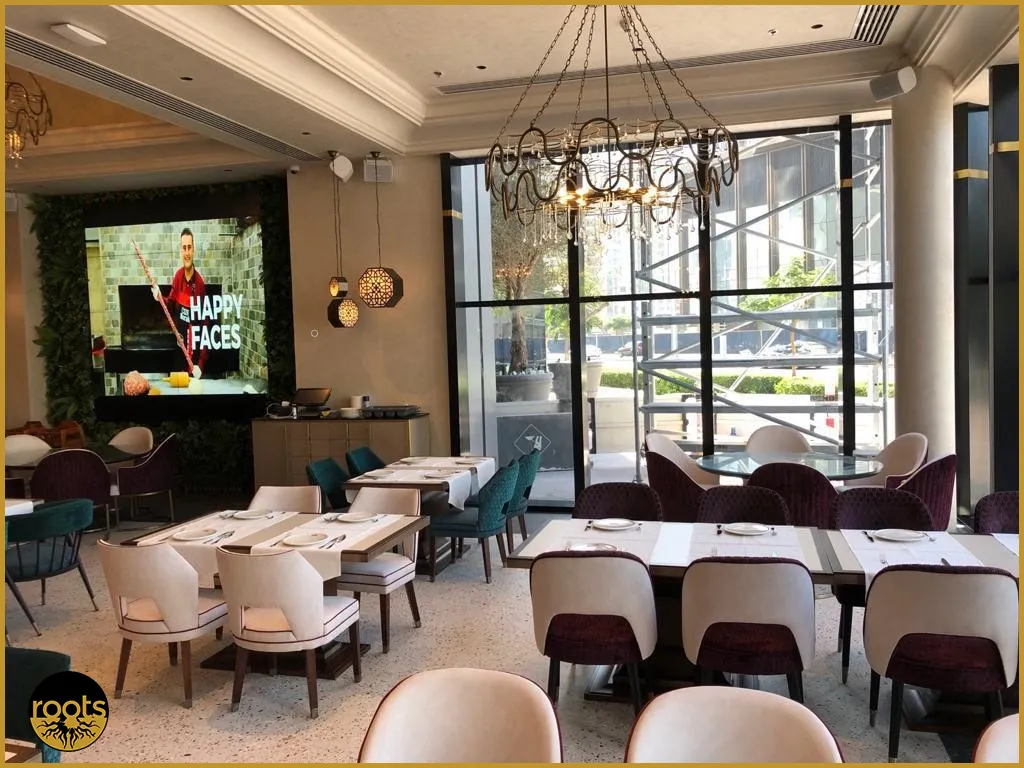
Architectural Restaurant Design: An Identity That Adds Value to Your Space
The success of a restaurant is directly related not only to the flavors it offers but also to the experience it provides to its visitors. The foundation of this experience is formed by architectural restaurant design and carefully shaped restaurant interior designs. A design that is in harmony with your restaurant's concept, target audience and brand identity goes beyond being merely an aesthetic concern; it increases operational efficiency, raises customer satisfaction and ultimately directly affects the profitability of your business.
Restaurant design is the art of taking a space beyond being just an area where food is eaten and transforming it into an atmosphere where guests will collect unforgettable memories. This process includes many elements such as lighting, color palette, material selection, furniture layout and even acoustics, in addition to the physical characteristics of the space. A successful architectural restaurant design tells the story of your brand, draws your visitors in and makes them feel special.
Why Is Comprehensive Restaurant Design Important?
Your restaurant's interior design shapes visitors' perceptions from the moment they first step into the space. An impressive welcome area, comfortable seating arrangements, correct lighting and the overall atmosphere of the space play a critical role in your guests choosing and revisiting the venue. It is not only visual appeal, but also:
- Strengthening Brand Identity: Design embodies your brand's values, concept and style.
- Improving Customer Experience: A comfortable and functional space offers your guests a pleasant experience.
- Increasing Operational Efficiency: A well-planned kitchen and service area enables your staff to work more effectively.
- Maximum Space Utilization: Even narrow or irregular spaces can be optimized with creative designs.
- Providing Competitive Advantage: Original and memorable designs set you apart from your competitors.
Who Is It Suitable For?
Architectural restaurant design and interior solutions appeal to a wide audience, from entrepreneurs who will open a new restaurant to those who want to renovate their existing businesses:
- Those Who Will Open a New Restaurant: Those who want to bring their concepts to life and create the right first impression.
- Those Who Want to Renovate Their Existing Restaurants: Businesses that want to update their spaces to make them more attractive, expand their customer base or change their menu.
- Businesses with Different Concepts: Special solutions can be offered for all kinds of food and beverage businesses, from fine-dining restaurants to quick-service venues and thematic cafes.
- Chain Restaurant Brands: Those who want to ensure brand consistency and offer the same quality at different locations.
Which Needs Does It Meet?
Professional restaurant design meets many fundamental needs of a business:
- Aesthetic Need: The space being pleasing to the eye and offering visual appeal.
- Functionality Need: Optimization of the kitchen, service area, seating arrangement and customer flow.
- User Comfort: Ergonomic solutions for the comfort of customers and employees.
- Space Efficiency: Making the best use of the area, storage solutions.
- Creating Atmosphere: Establishing an ambiance suited to the purpose and target audience of the space.
- Marketing and Branding: The space reflecting the brand's identity and contributing to its promotion.
In Which Situations Should It Be Preferred?
Architectural restaurant design and interior arrangement gain great importance in the following situations:
- When Establishing a New Business: When a professional touch is needed from the first concept to the final details of the space.
- In Case of Inadequacy of the Existing Space: When problems such as narrow areas, poor traffic flow and insufficient storage are experienced.
- When There Is a Need to Update Brand Image: When it is desired to refresh an outdated appearance, reach a new target audience or adopt a different concept.
- With the Goal of Increasing Customer Satisfaction: When it is desired to ensure that guests spend more time in the space and receive positive feedback.
- When Wanting to Stand Out in a Competitive Market: When the aim is to rise above competitors by creating a unique and memorable space.
What Are Its Aspects That Distinguish It from Alternatives?
Although there are different restaurant design approaches on the market, comprehensive architectural restaurant design stands out with the following aspects:
- Holistic Approach: It addresses not only decoration but all details from the architectural structure of the space to its functionality, from its aesthetics to its operational processes.
- Expertise and Experience: Architects and interior architects offer both aesthetic and technical solutions suited to the purpose of use of the spaces.
- Original and Custom Solutions: Fully custom designs are produced in line with the unique needs and identity of each business.
- Long-Term Investment: Designs made with quality materials and workmanship extend the life of the space and preserve its value over time.
- Compliance with Legal Regulations: It offers designs compliant with legal requirements such as fire safety and accessibility standards.
What to Consider in Material Selection
In restaurant interior designs, material selection directly affects the overall atmosphere, durability and ease of maintenance of the space. The advantages and disadvantages of different material types are summarized in the table below:
| Material Type | Durability | Interior / Exterior Architectural Use | Cost (Relative) | Overall Assessment |
|---|---|---|---|---|
| Wood (Solid, Veneer) | Medium - High (varies by type) | Both interior and exterior (if properly treated) | Medium - High | Offers a natural, warm and aesthetic appearance. Maintenance is important. |
| Natural Stone (Marble, Granite, etc.) | Very High | Both interior and exterior | High | It is a luxurious and durable option. Its weight and processing can be difficult. |
| Ceramic and Porcelain Tile | High | Both interior and exterior | Low - Medium | Offers various pattern and color options. Easy to clean. |
| Metal (Stainless Steel, Iron, etc.) | Very High | Both interior and exterior | Medium - High | Can give an industrial, modern or rustic look. It is durable. |
| Concrete and Microcement | Very High | Both interior and exterior | Low - Medium | Used in modern, industrial and minimalist designs. Requires easy maintenance. |
| Glass (Tempered, Laminated, etc.) | Medium - High (by type) | Generally interior (especially partitions, facades) | Medium - High | Makes the space look spacious, reflects light. Safety should be a priority. |
| Fabrics and Upholstery | Variable (by quality) | Interior only | Variable | Important for comfort and aesthetics. Should be resistant to staining and wear. |
Material selection should be made considering your restaurant's concept, frequency of use and your budget. For example, in heavily used areas, materials resistant to wear and stains should be preferred.
What to Consider Before Purchasing?
There are important points to consider before starting an architectural restaurant design project or before receiving this service:
- Establishing a Clear Concept: Clarify who your restaurant will be, whom it will appeal to, and what kind of atmosphere you want to create.
- Determining Your Budget: Clearly determine the budget to be allocated for design, implementation, furniture and decoration. This enables you to make more realistic decisions during the design process.
- Getting Professional Support: Working with a team of experienced architects and interior designers increases your project's chances of success.
- Reviewing References: Evaluate the designer's or company's understanding of style and quality by reviewing their previous work and completed projects.
- Assessing the Physical Conditions of the Space: Take factors such as the dimensions of the existing space, its structural features and its lighting conditions into consideration.
- Learning the Legal Requirements: Incorporate legal regulations such as restaurant licensing, fire safety and hygiene standards into the design process.
- Being Open to Collaboration: It is important to be in constant communication with the design team, to express your expectations clearly and to provide feedback.
- Making a Detailed Contract: Make a detailed contract covering the project scope, delivery dates, payment plan and responsibilities.
Frequently Asked Questions
How long does restaurant design take?
The duration of restaurant design varies depending on the scope of the project, the size of the space, the complexity of the concept and the necessary permit processes. On average, while a concept development and preliminary project phase may take a few weeks, implementation and detail projects can extend this period to several months. When the implementation and construction process is added to this timeframe, the total project duration can take from 6 months to a year.
What is the role of lighting in restaurant interior design?
Lighting is one of the most critical elements of restaurant interior design. Correct lighting determines the atmosphere of the space, ensures the comfort of customers and enhances the visual appeal of the food. The desired ambiance can be created by combining different layers such as general lighting, task lighting (tables, counters) and accent lighting (decorative elements). For example, while warm-toned and dim lights are preferred for a more intimate and romantic environment, brighter and neutral lights can be used for a more energetic and modern space.
What are the design tips for a small restaurant?
In small restaurants, space efficiency and creating a spacious atmosphere are priorities. Therefore:
- Using Mirrors: Makes the space appear larger and brighter.
- Preferring Light Colors: Using light colors on walls, furniture and floors gives a feeling of spaciousness.
- Choosing Multifunctional Furniture: Furniture that provides both storage space and seating can be preferred.
- Using Vertical Areas: Utilizing vertical areas with shelves and wall units solves the storage problem.
- Smart Seating Arrangements: Space-saving solutions such as corner seating and bar seating areas can be used.
- Making Maximum Use of Natural Light: It is important not to block windows and to allow more light to enter.
How is energy efficiency achieved in restaurant design?
Energy efficiency is important for both environmental sustainability and reducing operating costs. For this:
- Using LED Lighting: It consumes less energy and has a longer lifespan compared to traditional lighting systems.
- Benefiting from Natural Light: Creating window designs and facade arrangements that let daylight in at maximum level.
- High-Performance Heating and Cooling Systems: Choosing modern HVAC (Heating, Ventilation and Air Conditioning) systems that provide energy savings.
- Making Good Insulation: Good insulation on the exterior facade and windows of the space reduces the need for heating and cooling.
- Smart Building Technologies: Technologies such as motion sensor lighting or automatically dimming glass contribute to energy savings.
The architectural and interior design of your restaurant is not only a physical arrangement, but also an investment, a brand story and an experience you offer to your guests. Managing this process consciously is a fundamental step for the long-term success of your business.











































































