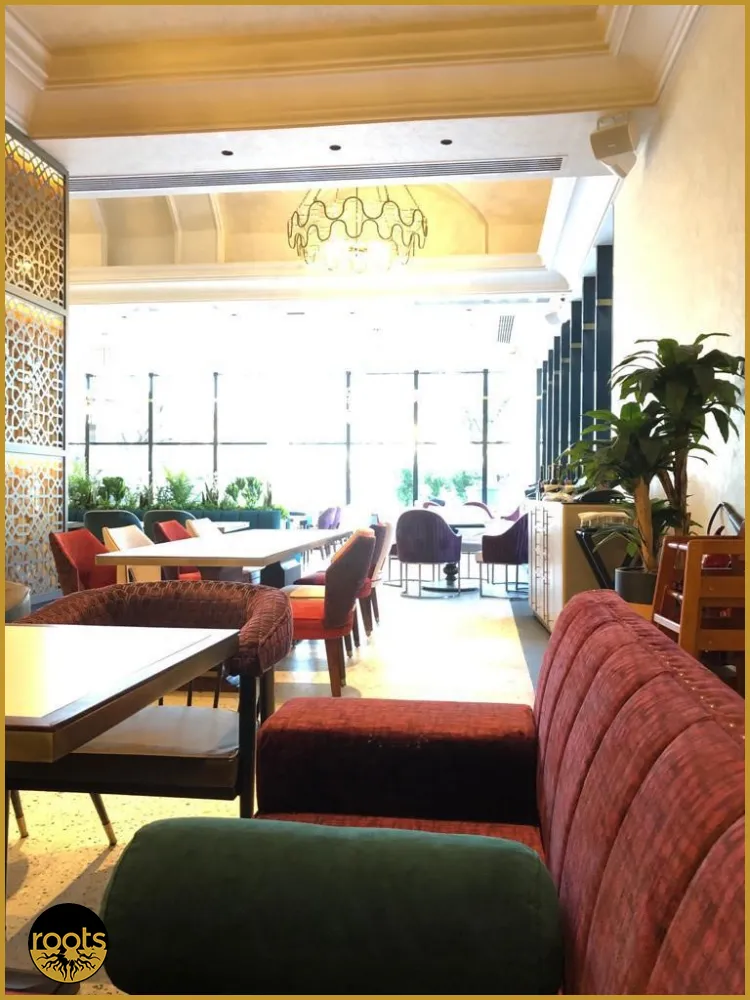
Architectural Restaurant Design: Add Value to Your Space
Creating an interior that reflects your restaurant's identity, captivates your guests and offers a memorable experience is one of the cornerstones of success. Architectural restaurant design is more than just an aesthetic concern; it is a strategic process that brings together functionality, brand identity and customer satisfaction.
What Is Restaurant Interior Design and Why Is It Important?
Restaurant interior design is the planning process that determines both the aesthetic appearance and the functional structure of a dining venue. This process directly affects the atmosphere of the space, the customer experience, staff efficiency and brand perception. A well-designed restaurant not only serves delicious food but also offers its guests an unforgettable atmosphere, encouraging them to return.
This design process covers lighting, color palette, material selection, furniture arrangement, seating plan, acoustic arrangements and even the flow of kitchen and service areas. Each element must be compatible with the restaurant's overall concept and target audience.
Who Is It Suitable For and What Needs Does It Meet?
Architectural restaurant design is suitable for dining establishments of every scale and every type:
- Restaurants to Be Newly Opened: It is a fundamental step for those who want to create a brand identity from scratch and create an atmosphere that appeals to the target audience.
- Those Who Want to Renovate Their Existing Restaurants: It is ideal for businesses that want to stand out in competition, improve the customer experience, modernize the space or adopt a new concept.
- Businesses Going Through a Concept Change: Restaurants that change their menu or target audience also need to reflect their new identity visually.
This design meets the following fundamental needs:
- Creating Aesthetics and Atmosphere: Enhancing the visual appeal of the space so that guests feel comfortable and special.
- Improving the Customer Experience: Ensuring that guests have a pleasant time through elements such as seating arrangement, lighting and acoustics.
- Functionality and Efficiency: Increasing staff efficiency and minimizing operational disruptions by optimizing the flow between kitchen, service and customer areas.
- Strengthening Brand Identity: Strengthening brand perception by creating a design language suited to the restaurant's concept, values and target audience.
- Maximum Capacity and Flow: Increasing customer capacity by making the best use of the space's potential while also organizing customer and staff flow.
In Which Situations Should It Be Preferred?
Architectural restaurant design should be particularly preferred in the following situations:
- Existing Customer Dissatisfaction: If there are dissatisfactions arising from the restaurant's atmosphere or functionality.
- Low Occupancy Rates: If more guests are to be attracted by increasing the appeal of the space.
- Competitive Market: If a unique design is required to differentiate from competitors and stand out.
- Spatial Problems: If there are spatial problems such as narrow areas, poor lighting or an inefficient layout.
- Launch of a New Concept: If an innovative menu or service approach is to be offered, and this needs to be supported by design.
- Brand Renewal or Strengthening: If the existing brand is to be given a more modern or attractive appearance.
What Are Its Aspects That Differentiate It from Alternatives?
Architectural restaurant design, unlike approaches such as standard decoration or just furniture changes, offers a comprehensive and strategic solution. While standard decoration generally focuses on superficial aesthetic changes, architectural design:
- Is Functionality-Oriented: It optimizes not only appearance but also operational elements such as kitchen-service flow, seating arrangement and customer movement.
- Integrates with Brand Identity: It reflects the restaurant's story, values and target audience onto the design by analyzing them in depth.
- Maximizes Spatial Potential: It produces solutions for the most efficient use of the existing space, and can sometimes even make unexpected areas functional.
- Is a Long-Term Investment: With durable materials, timeless aesthetic approaches and functional solutions, it ensures that the space preserves its value for many years.
- Requires Professional Expertise: Architects and interior architects balance both the space's compliance with legal requirements and its aesthetic and functional requirements.
Points to Consider in Material Selection
In restaurant design, material selection directly affects both the aesthetics and the durability of the space. The usage areas, durability and costs of different materials should be taken into consideration.
| Material Type | Durability | Indoor Use | Outdoor Use | Cost (General Assessment) |
|---|---|---|---|---|
| Natural Stone (Marble, Granite, etc.) | High | Floor, countertop, wall cladding | Limited (requires high maintenance) | High |
| Wood | Medium - High (depending on treatment) | Floor, furniture, wall cladding, ceiling | Specially treated woods | Medium - High |
| Ceramic and Porcelain Tile | High | Floor, wall cladding, countertop | Suitable varieties available | Low - Medium |
| Concrete and Surfaces with Exposed Concrete Appearance | High | Floor, wall, ceiling, furniture | With suitable coatings | Low - Medium |
| Metal (Stainless Steel, Iron, etc.) | High | Furniture, lighting, decorative elements, kitchen equipment | Suitably treated metals | Medium - High |
| Fabric and Upholstery Materials | Medium (depending on quality) | Seating groups, curtains, wall panels | Outdoor fabrics | Low - Medium |
| Glass | Medium (fragility) | Tabletops, partitions, lighting, decorative elements | Tempered and laminated glass | Medium |
The choice of materials directly affects the overall style of the space, ease of maintenance, hygiene standards and, of course, the budget. For example, durable and easy-to-clean flooring materials should be preferred in high-traffic areas.
Things to Consider Before Purchasing
There are important points to consider before receiving an architectural restaurant design service or throughout the design process:
- Defining a Clear Concept: Clarify what kind of cuisine your restaurant will offer, who your target audience is and what kind of atmosphere you want to create. This ensures that the designer proceeds in line with your vision.
- Budget Planning: Create a detailed budget covering all items such as design, renovation, furniture, lighting and decoration.
- Get Professional Support: Working with an experienced architect or interior designer ensures that the design delivers the best result in terms of both aesthetics and functionality.
- Spatial Analysis: Accurately determine or have determined technical details such as the dimensions of the existing space, columns, utility points and window/door positions.
- Legal Requirements: Cooperate with your designer on compliance with local regulations such as fire safety, disabled access and hygiene standards.
- Flexibility and Scalability: Planning a flexible design that allows for possible future changes or expansions can be beneficial.
- Lighting Planning: Correct planning of both functional (work areas) and atmospheric (dining areas) lighting greatly affects the perception of the space.
- Acoustic Solutions: Acoustic materials and arrangements should be considered to control the noise that may occur during busy hours.
Frequently Asked Questions (FAQ)
The design process generally consists of the following stages:
1. Preliminary Consultation and Concept Definition: Understanding the needs and goals.
2. Concept Design: General plan, style and material suggestions.
3. Implementation Project: Detailed drawings, plans and technical details.
4. Implementation (Renovation and Construction): Bringing the project to life.
5. Decoration and Final Touches: Placement of furniture, lighting and accessories.
The design and implementation period varies depending on the size of the restaurant, the scope of the work to be done and the complexity of the renovation. While a simple renovation takes a few weeks, a comprehensive redesign and construction can take several months. Detailed planning helps optimize this period.
This depends on the scale of the project and your needs. A skilled architect may be sufficient for small and medium-sized projects. For larger and more complex projects, however, a design firm that brings together different areas of expertise can manage the process more effectively and offer various perspectives.
Sustainability both increases environmental awareness and can reduce operating costs. Practices such as using energy-efficient lighting and equipment, choosing recycled or locally sourced materials, and selecting water-saving fixtures reduce the restaurant's carbon footprint and provide savings in the long term.











































































