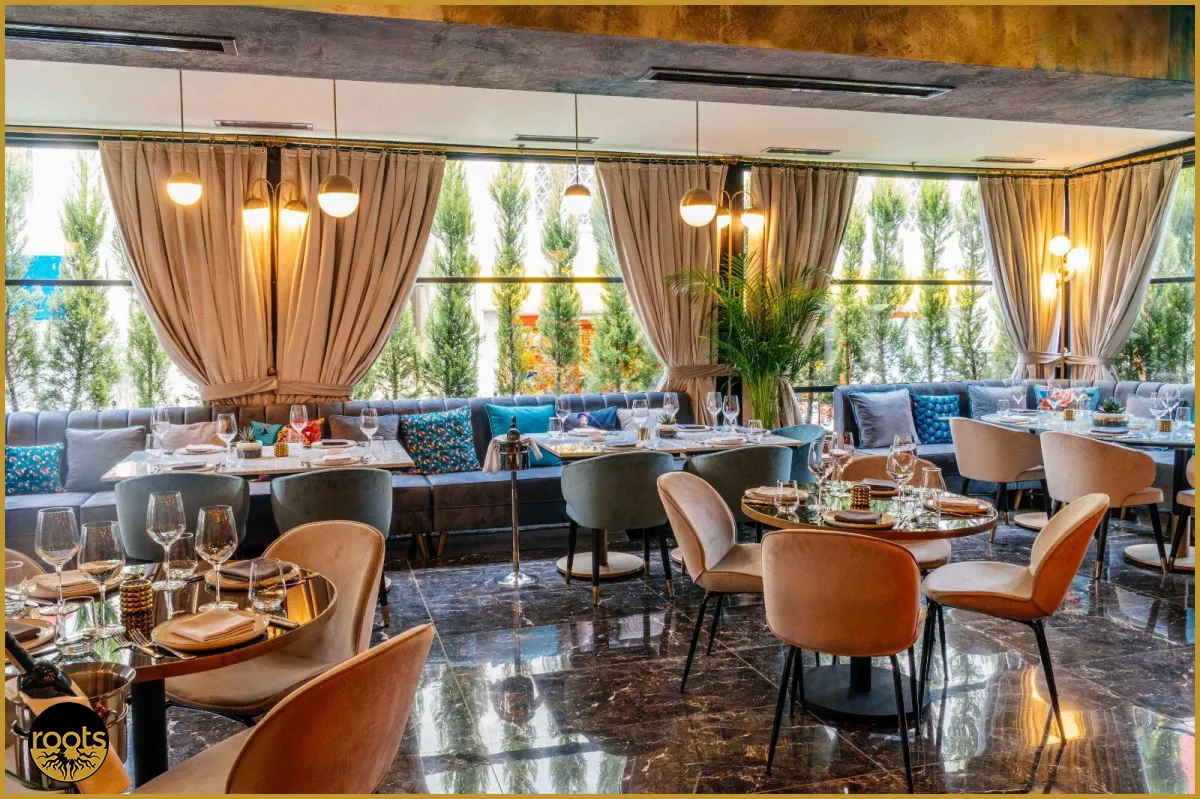
Architectural Design and Interior Strategies in Restaurants
When starting a restaurant project, it is not enough for the space to simply look aesthetic. Architectural restaurant design is a multidisciplinary process that combines aesthetic perception with operational efficiency and aims to maximize the customer experience. A well-planned interior directly affects the time guests spend in the space, their ordering habits and their loyalty to the brand.
What Does the Design Process Cover and Who Is It Suitable For?
Professional interior design services are essential for investors planning to establish a new business, business owners who want to modernize their existing space and brands that want to reflect their corporate identity in a physical space. This process covers not only table and chair layout but all technical details such as kitchen workflow, ventilation capacity, acoustic comfort and lighting scenarios.
Good design meets the following needs:
- Operational Speed: Optimizing waiter routes and kitchen exits speeds up service.
- Customer Psychology: The use of colors and textures serves the concept by creating appetite-stimulating or calming effects.
- Space Efficiency: It offers maximum capacity per square meter without compromising comfort.
Material Selection and Functionality Comparison
The materials selected in restaurant interiors determine the lifespan of the space and its maintenance costs. Making choices that are both stylish and durable provides a long-term investment advantage.
| Material Type | Durability | Area of Use | Cost Index |
|---|---|---|---|
| Natural Stone (Marble/Granite) | High (Scratch-resistant) | Bar counters, flooring, entrance area | High |
| Industrial Metal | Very High (Heat-resistant) | Open kitchen, decorative ceilings | Medium - High |
| Solid Wood | Medium (Requires maintenance) | Tabletops, wall panels | Medium |
| Ceramic and Porcelain | High (Easy to clean) | Floor coverings, wet areas | Economical - Medium |
What to Consider When Making a Design Decision
Before working with a design office or architect, it is critical to determine the character of the business. The dim lighting and intensive acoustic insulation required by a fine-dining restaurant are the exact opposite of the vibrant colors and high-turnover-focused layout of a fast-casual venue.
The following points should be taken into consideration before purchasing or project planning:
- Infrastructure Suitability: It should be analyzed whether the building's chimney, water and electrical infrastructure can handle the kitchen load.
- Lighting Strategy: Dimmer systems that can offer different atmospheres for daytime and evening hours should be preferred.
- Acoustic Solutions: Sound-absorbing panels or textile products should be used to prevent echo in spaces with high ceilings.
- Cost-Benefit Balance: The focus should be on timeless and easily revisable details rather than trendy designs.
What Sets It Apart from Alternative Approaches?
While an ordinary decoration project focuses only on "beautification," architectural interior design carries an engineering vision. It differs from its alternatives by addressing the space as a whole. For example, merely changing the furniture does not solve the space's heating problem or service disruptions. A professional architectural touch, on the other hand, changes the DNA of the space and contributes directly to the business's revenue.
Frequently Asked Questions
Question 1: How long does the restaurant design process take on average?
Answer: Depending on the size of the space and the complexity of the concept, the project design phase can range from 2-4 weeks, while the implementation process can vary between 2-4 months.
Question 2: Can I integrate my existing kitchen equipment into the new design?
Answer: Yes, architectural projects can be revised according to the dimensions and installation requirements of existing equipment, providing a cost advantage.
Question 3: Is professional design necessary for a small venue?
Answer: In small venues, every square centimeter is valuable. Professional planning allows you to host more customers in narrow spaces and create a spacious atmosphere.
In conclusion; restaurant interior designs are as important as the menu a business offers. A setup where guests feel comfortable and staff can work efficiently is the key to long-term success. Correctly analyzing technical needs and brand identity before investment will save you from future renovation costs.











































































