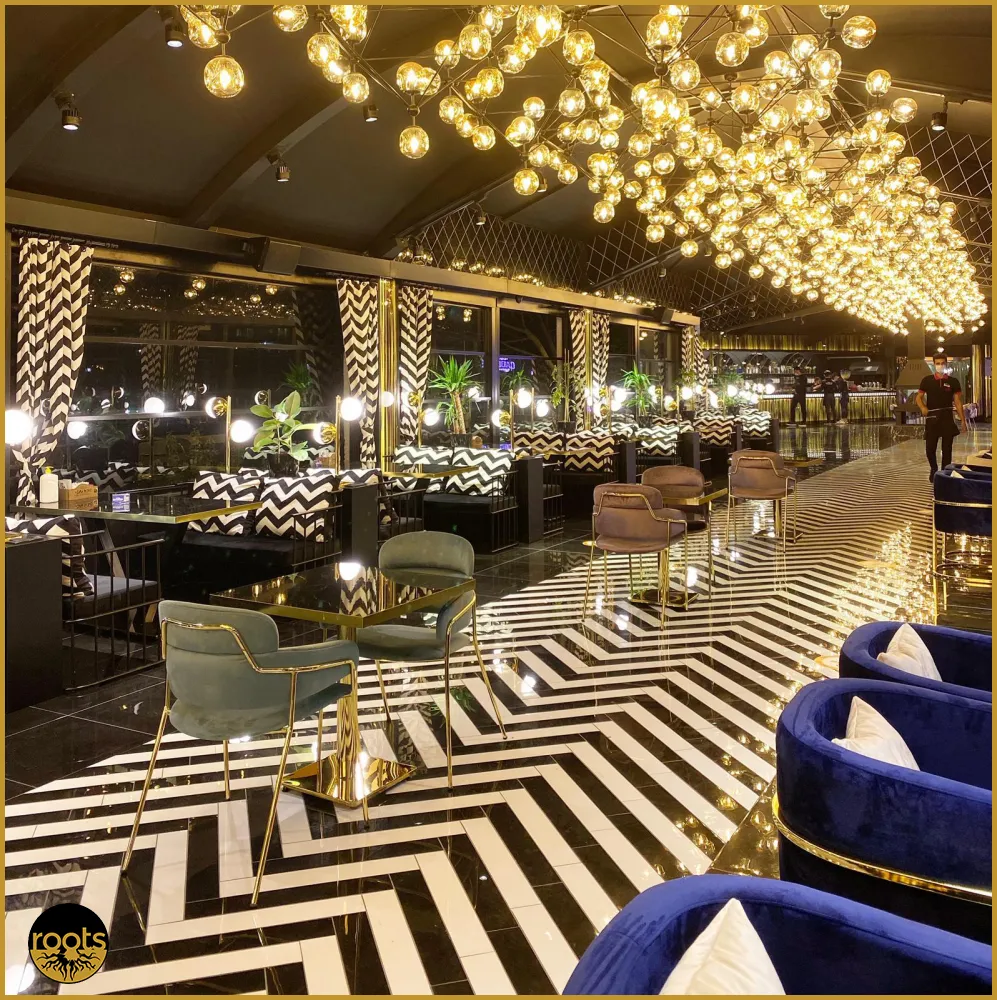
Architectural Restaurant Design - Restaurant Interior Designs
A comprehensive guide to designing restaurants that will impress your customers, suit your concept and are functional.
Why Is Restaurant Design Important?
Restaurant design plays a critical role in the success of your business, beyond being merely an aesthetic concern. A well-designed restaurant offers an unforgettable experience for customers, emphasizes the concept and identity of the venue and increases operational efficiency. The atmosphere of a restaurant is an inseparable part of the customer's dining experience, and the right design positively influences the entire process from the first impression to the final farewell.
While interior design creates an environment that makes your customers feel comfortable and special, exterior design increases the visibility and appeal of the venue. The harmonious unity of these two elements contributes to strengthening your brand and building customer loyalty.
What Is Architectural Restaurant Design?
Architectural restaurant design is a holistic planning process that covers both the structural and aesthetic elements of a restaurant. This process includes a wide range, starting from the exterior appearance of the building to interior arrangement, floor plans, material selections, lighting solutions, furniture placement and even acoustics. The main goal is to create a unique and inviting atmosphere by combining functionality with aesthetics.
This design is shaped in accordance with the type of cuisine the restaurant will offer, its target audience and the brand's identity. For example, the design approaches of a rustic Italian restaurant and a modern Asian fusion restaurant will be completely different.
What Do Restaurant Interior Designs Cover?
Restaurant interior designs aim to optimize every detail that directly affects the customer's experience. In this scope:
- Spatial Planning and Layout: Efficient planning of areas such as the kitchen, service areas, seating arrangements and restrooms.
- Material Selection: Selection of floor, wall, ceiling and furniture materials considering durability, aesthetics and ease of cleaning.
- Lighting Design: Creating atmosphere with general lighting, task lighting and accent lighting.
- Color Palette and Textures: Color and texture selections that reflect the concept of the venue and evoke the desired feeling.
- Furniture and Decoration: Selection of comfortable and aesthetic furniture, enriching the venue with artistic objects, plants and other decorative elements.
- Acoustic Arrangements: Creating an environment where customers can converse comfortably and noise levels are kept under control.
Who Is It Suitable For?
Architectural restaurant design and interior designs are ideal for businesses in the following situations:
- Entrepreneurs planning to open a new restaurant.
- Operators who want to renew the concept of their existing restaurant.
- Those who want to increase customer satisfaction and return rates.
- Those aiming to raise brand awareness and prestige.
- Restaurant owners who want to improve operational efficiency.
- Those who want to create a more inviting atmosphere by improving the physical conditions of the venue.
Which Needs Does It Meet?
Professional restaurant design meets various fundamental needs:
- Creating a Unique Identity: Offers an original design that will set the restaurant apart from its competitors.
- Improving the Customer Experience: Encourages customers to spend more time in your venue by creating a comfortable and aesthetic environment.
- Operational Efficiency: Smart planning of kitchen and service areas facilitates the workflow of staff and increases service quality.
- Strengthening Brand Perception: The quality and aesthetics of the venue positively affect the overall perception of the brand.
- Compliance with Legal Requirements: Offers designs compliant with legal regulations such as fire safety, disabled access and hygiene standards.
In Which Situations Should It Be Preferred?
A professional architectural restaurant design should definitely be preferred in the following situations:
- At the Concept Determination Stage: To create a vision in line with the business's core concept and target audience.
- If There Are Physical Limitations of the Space: To achieve maximum efficiency and aesthetics in a small or non-standard area.
- If There Are Customer Complaints: When there are complaints regarding space comfort, seating arrangement or the overall atmosphere.
- If the Competitive Environment Is Intense: To stand out from competitors in order to differentiate and attract attention.
- During the Rebranding Process: When the business's image is to be refreshed and modernized.
What Are Its Differences from Alternatives?
Unlike designs done on their own or amateurishly, professional architectural restaurant design stands out in the following respects:
- Expertise and Experience: Professional designers have in-depth knowledge of materials, ergonomics, lighting principles and industry trends.
- Holistic Approach: Instead of focusing only on visual beauty, they evaluate elements such as functionality, cost effectiveness and longevity together.
- Customer Focus: They offer solutions suited to the needs and expectations of the target audience that will enrich their experience.
- Legal Compliance: They are familiar with the regulations required for construction and operating permits and shape their designs accordingly.
- Cost and Time Optimization: Professional planning provides time and cost savings by minimizing possible errors and subsequent changes.
Types of Materials Used in Design and Their Comparison
The materials used in restaurant designs directly affect the ambiance, durability and maintenance costs of the space. Here is a comparison of some commonly used materials:
| Material Type | Durability (Against Intensive Use) | Interior/Exterior Architectural Use | Cost (General Average) |
|---|---|---|---|
| Natural Wood | Medium - High (with varnish and maintenance) | Mainly Interior (special treatment required for exterior) | Medium - High |
| Marble / Granite | High | Interior and Exterior (countertop, floor, wall) | High |
| Ceramic / Porcelain Tile | High | Interior and Exterior (floor, wall) | Low - Medium |
| Concrete (Decorative) | Very High | Interior and Exterior (floor, wall, countertop) | Low - Medium |
| Metal (Stainless Steel, Iron) | Very High | Interior and Exterior (details, furniture, facade) | Medium - High |
| Glass | Medium (risk of breakage) | Interior and Exterior (storefront, partition, decorative elements) | Medium |
| Fabric / Leather (Upholstery) | Medium (depending on wear) | Interior (furniture upholstery) | Medium - High |
Things to Consider Before Purchasing
Before receiving a restaurant design service or starting the design process, it is important to pay attention to the following points:
- Determine Your Current Budget: Create a clear budget that you can allocate for design and implementation.
- Define Your Concept: Your restaurant's cuisine, target audience and brand identity must be clear.
- Examine the Physical Characteristics of the Space: Consider factors such as the size of the area, its location and natural light conditions.
- Evaluate References and Portfolio: Review the designer's or company's previous work and experience.
- Communication and Understanding: Make sure that you can establish good communication with the design team and that they understand your ideas.
- Make a Detailed Contract: Sign a contract that clarifies the scope, delivery dates and costs.
Frequently Asked Questions (FAQ)
What benefits does working with a restaurant designer offer me?
A restaurant designer ensures that your space is both aesthetically appealing and operationally efficient. Thanks to their experience in the sector, the likelihood of you making mistakes is reduced and a unique atmosphere is created for your customers.
Which colors are more suitable for use in interior design?
The choice of color depends entirely on the restaurant's concept and the targeted atmosphere. For example, red, orange or earth tones can be preferred for a warm and inviting environment; blue, gray or neutral tones for a calm and luxurious atmosphere. Choices appropriate to the target audience should be made, also taking color psychology into account.
Why is the exterior design of a restaurant so important?
The exterior design is the first impression of the restaurant. It is critically important for attracting the attention of potential customers, reflecting the brand's identity and giving an idea about the experience inside. A good exterior increases the visibility and appeal of the space.
How is cost control ensured during the design process?
Cost control is ensured by determining a clear budget from the beginning of the process, evaluating alternatives in material selections and maintaining continuous communication with the designer. Professional designers work to offer the best solutions within your budget.











































































