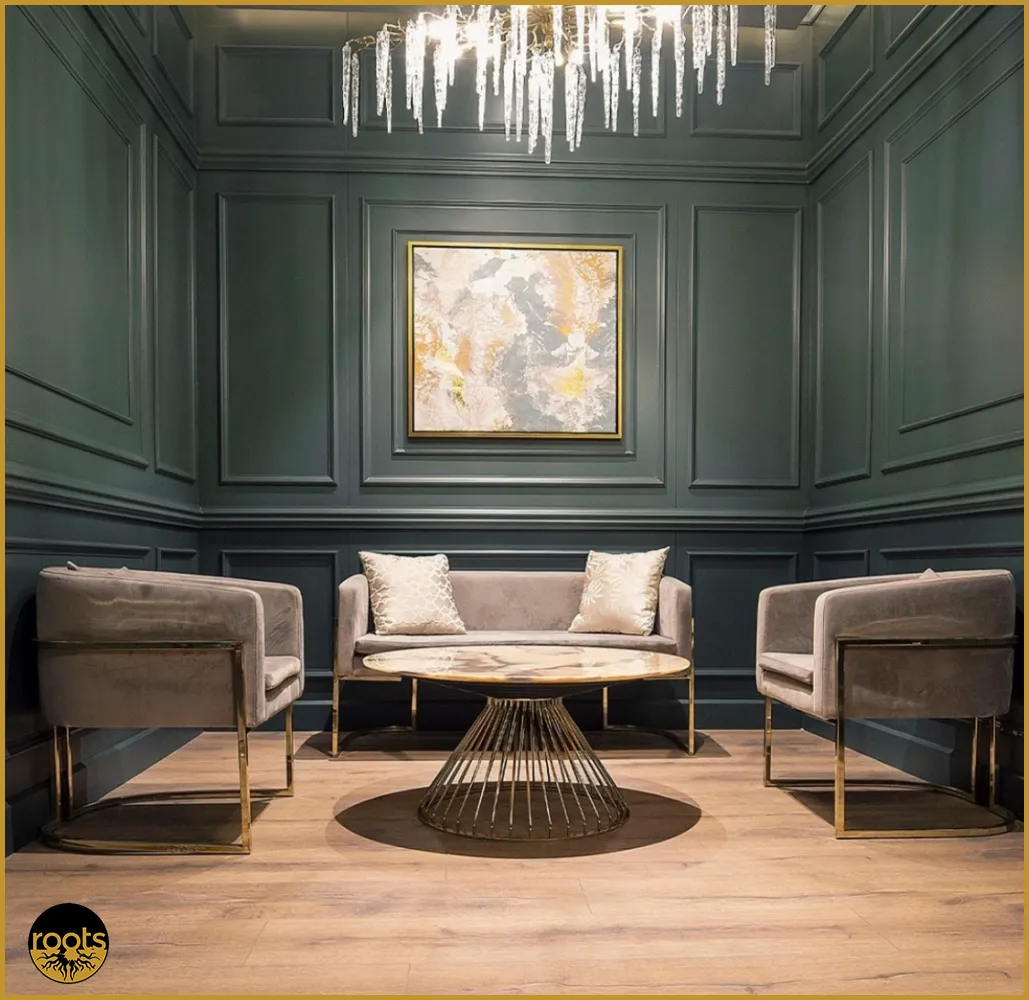
Architectural Restaurant Design: From Concept to Customer Satisfaction
The success of a restaurant is directly proportional not only to the flavors it offers but also to the atmosphere and experience it provides to visitors. Architectural restaurant design forms the foundation of this experience. A well-thought-out interior not only gives your customers unforgettable moments but also significantly increases the brand value of your business. This comprehensive guide contains all the details to help you choose the most suitable design for your restaurant.
What Is the Importance of Restaurant Design?
Restaurant design is not merely an aesthetic concern. It brings together many elements such as functionality, customer flow, operational efficiency and brand identity. The right design:
- Builds customer loyalty.
- Increases the average seating time and therefore the revenue potential.
- Enables employees to work more efficiently.
- Helps the restaurant establish a strong connection with its target audience.
- Strengthens brand awareness and perception.
Who Is It Suitable For?
Architectural restaurant design and interior solutions are of vital importance for all businesses operating in the following situations:
- Entrepreneurs planning to open a new restaurant.
- Business owners who want to renew the concept of their existing restaurant or modernize their space.
- Restaurants that want to reflect their brand identity more strongly.
- Those aiming to stand out in competition by improving the customer experience.
- Those who want to reflect a specific concept (for example, fine dining, bistro, fast casual, ethnic cuisine, etc.) in their space.
Which Needs Does It Meet?
A comprehensive restaurant design meets the following fundamental needs:
- Aesthetics and Atmosphere: It determines the first impression your customers will feel when they step into the space. It creates an inviting and pleasant environment suited to your concept.
- Functionality and Flow: It optimizes operational processes such as access to customer tables, the layout of service areas, and connections to the kitchen and storage.
- Capacity and Comfort: While aiming to reach maximum customer capacity by ensuring efficient use of the space, it also enables customers to spend time comfortably.
- Brand Identity: It tells your brand story through all elements, from your logo to your color palette, from the materials used to decorative objects.
- Customer Experience: It enriches your guests' dining experience with details such as sound acoustics, lighting and seating arrangement.
In Which Situations Should It Be Preferred?
Investing in restaurant design will be a particularly strategic decision in the following situations:
- At the Concept Definition Stage: Starting with the design process when defining the identity and target audience of a new restaurant ensures consistent integrity.
- Transformation of an Existing Space: Revitalizing a space that has aged or no longer appeals to the target audience.
- Gaining a Competitive Advantage: Standing out from other restaurants in the area to attract attention and draw customers.
- Rebranding: Updating the image of the business and presenting a modern face.
- Efficiency Problems: To resolve issues experienced in the operational flow of the space or in customer comfort.
Alternatives and Differences
Restaurant design services are offered on the market with different approaches. The main features that distinguish these services from a standard decoration company or those providing only interior architecture services are as follows:
- Gastronomy-Focused Approach: It focuses not only on aesthetics but also on the dynamics of the food and beverage sector, operational processes and customer expectations.
- Concept Development Integration: It integrates the restaurant's core concept (cuisine type, target audience, pricing strategy, etc.) into the design.
- Customer Experience Focus: Beyond mere visual appeal, it aims to optimize guests' journey within the space, their comfort and overall satisfaction.
- Operational Efficiency: It incorporates all operational processes into design decisions, from kitchen layout to service flow, from storage to staff movement areas.
Material Selection: Durability, Aesthetics and Cost
The selection of materials used in restaurants is of great importance for both the appearance of the space and its longevity. Here is a comparison of some commonly used material types:
| Material Type | Durability | Indoor Use | Outdoor Use | Average Cost (Relative) | Notable Features |
|---|---|---|---|---|---|
| Natural Stone (Granite, Marble) | Very High | Yes (countertop, floor, wall) | Yes (especially granite) | High | Prestigious, easy to clean, natural and luxurious appearance. |
| Wood (Solid, Veneer) | Medium-High (depends on protection) | Yes (table, chair, wall cladding, floor) | Limited (with special treatments) | Medium-High | Warm, natural, aesthetic, wide design possibilities. |
| Ceramic and Porcelain | High | Yes (floor, wall, countertop) | Yes (some types) | Medium | Durable, stain-resistant, wide variety of pattern and color options. |
| Concrete (Decorative) | High | Yes (floor, wall, countertop) | Yes | Medium | Modern, industrial, minimalist appearance, durable. |
| Metal (Stainless Steel, Iron) | High | Yes (furniture frames, lighting, decoration) | Yes (with suitable coating) | Medium-High | Industrial, modern, sturdy. |
| Glass (Tempered, Smoked, etc.) | Medium-High (against impacts) | Yes (tabletops, partitions, decorative elements) | Limited | Medium | Sense of spaciousness, modern, reflects light. |
| Vinyl and LVT (Luxury Vinyl Tile) | High | Yes (floor) | Limited | Low-Medium | Durable, waterproof, economical, wide range of models. |
Things to Consider Before Purchasing
When receiving restaurant design services or creating your own design, you should pay attention to the following points:
- Determine a Clear Concept: Who is your target audience? Which cuisine will you offer? What kind of atmosphere do you want to create? The answers to these questions form the foundation of the design.
- Determine Your Budget: Clarify the total budget you can allocate for design, construction, furniture, lighting and decoration.
- Know Your Space: The current condition of the space, its physical constraints, advantages and disadvantages should be well analyzed.
- Get Professional Support: Working with experienced architects or designers prevents potential mistakes and ensures more efficient results in the long run.
- Do Not Overlook Functionality: As much as aesthetics, the operational flow of the space and the comfort of employees are also important.
- Pay Attention to Material Quality: Since restaurants are subject to intensive use, durable and easy-to-maintain materials should be preferred.
- Make a Lighting Plan: Lighting directly affects the atmosphere of the space. Plan general lighting, task lighting and ambient lighting in a balanced way.
- Evaluate Acoustic Solutions: Sound insulation and acoustic arrangements are important for a comfortable conversation environment.
- Consider Customer Flow: Ease the movement flow between the entrance, waiting area, tables, service path and restrooms.
- Prioritize Ergonomics: Details such as table and chair heights and seating distances affect customer comfort.
Frequently Asked Questions
No, restaurant design encompasses many elements beyond aesthetics, including functionality, customer flow, operational efficiency and brand identity. Good design brings all these elements together to appeal to both the eye and usability.
Yes, smart design solutions are much more critical, especially in small spaces. Professional design makes a difference in small restaurants by making the space look more spacious, using every square meter in the most efficient way and hosting the maximum number of customers.
The cost of restaurant design varies depending on many factors such as the size of the space, the complexity of the chosen concept, the quality of the materials used, lighting and furniture choices, renovation requirements and the professionalism level of the design team.
During the design process, steps should be taken such as defining a clear concept, planning the budget correctly, analyzing the physical characteristics of the space well, prioritizing functionality, choosing durable and aesthetic materials, and paying attention to lighting and acoustic solutions.
Remember, designing your restaurant is not just about filling a space, it is also about creating an experience. The right design is a powerful factor that will keep your guests coming back again and again.











































































