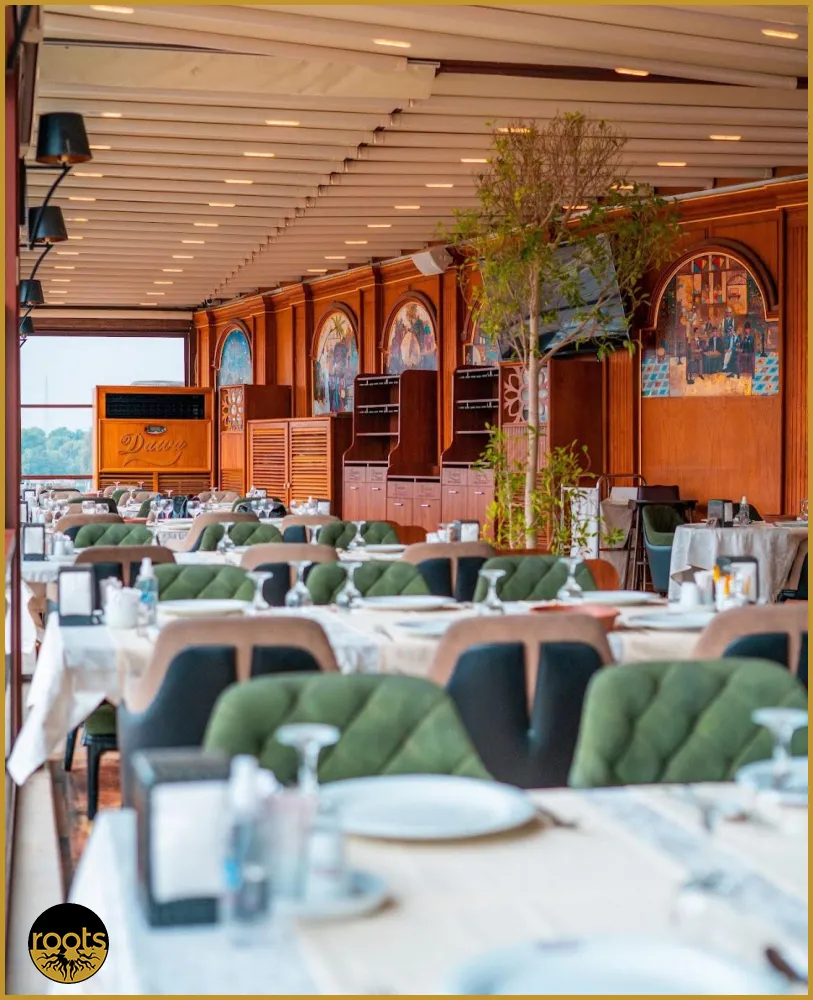
Architectural Restaurant Design and Restaurant Interior Designs
The success of a restaurant depends not only on the quality of the menu offered, but also on the atmosphere and spatial comfort the customer feels from the moment they walk through the door. Architectural restaurant design is a multidisciplinary process that combines aesthetic elements with operational efficiency. A correct interior design is a strategic tool that reflects the character of the brand while also optimizing the workflow of employees and increasing customer loyalty.
Basic Needs and Functionality in Restaurant Design
A good restaurant design does not only offer a visual feast; it aims to use the physical boundaries of the space in the most efficient way. The main elements to consider during the design process are as follows:
- Space Planning: It is the layout plan made to ensure that customer traffic, distances between tables and service routes do not overlap.
- Acoustic Arrangement: It is the choice of materials that prevents noise pollution even during crowded moments and offers an environment where conversation is possible.
- Lighting Strategy: These are lighting scenarios that make the food look appetizing and can be adjusted according to different times of the day.
- Kitchen and Service Integration: It is the technical infrastructure that ensures the product leaving the kitchen reaches the table in the shortest time and safely.
Material Selection and Durability Comparison
The materials to be used in restaurant interiors should be evaluated in terms of usage intensity, ease of cleaning and suitability to the concept. The following table summarizes the characteristics of frequently preferred material groups:
| Material Type | Durability | Area of Use | Cost Level |
|---|---|---|---|
| Natural Wood | Medium (Requires Maintenance) | Furniture, Panel, Ceiling | High |
| Industrial Metal | Very High | Lighting, Partition Walls | Medium |
| Marble and Natural Stone | High | Bar Counter, Floor | Very High |
| Composite Panels | High (Easy to Clean) | Kitchen Surroundings, Wet Areas | Economical |
Critical Points to Consider During the Design Process
Before starting a restaurant project or purchasing a design service, the following items should be taken into consideration:
- Target Audience Analysis: The interior dynamics of a luxury dinner restaurant and a fast-consumption-oriented cafe are completely different.
- Ergonomics: Chair heights, table widths and passage areas directly affect customer comfort.
- Ventilation and Air Conditioning: The spread of kitchen odors into the hall is the biggest factor negatively affecting the customer experience.
- Sustainability: Energy-saving lighting and long-lasting materials reduce operating costs.
Alternative Approaches: Minimalist or Maximalist?
Two main trends stand out today in restaurant interior designs. Minimalist approaches bring simplicity and cleanliness to the forefront, allowing the customer to focus on the food. This style is generally preferred in "Fine Dining" restaurants. On the other hand, Maximalist and Thematic designs create interactive spaces with high social media potential through intensive decoration and color use. The concept of your business is the main element that determines which design language will be chosen.
Frequently Asked Questions
Depending on the size of the space and the complexity of the concept, the design process usually takes between 2 and 6 weeks. The implementation phase varies depending on the lead time of the selected materials.
In small areas, the perception of spaciousness can be increased by using mirrors, choosing light color palettes and multifunctional furniture. Using vertical areas for storage and decoration also increases square meter efficiency.
No, in "Renovation" projects, a completely new atmosphere can be created by preserving the existing strengths of the space and updating only surface materials, lighting and furniture.
Correct design optimizes table turnover rate while increasing the quality of time customers spend in the space. An aesthetic space provides free word-of-mouth marketing (social media shares) and raises brand value.
In conclusion, restaurant interior designs are not a luxury, but an investment in the long-term success of the business. A professional architectural touch sets the balance between functional kitchen solutions, comfortable seating areas and an impressive visual identity, distinguishing your business from its competitors.











































































