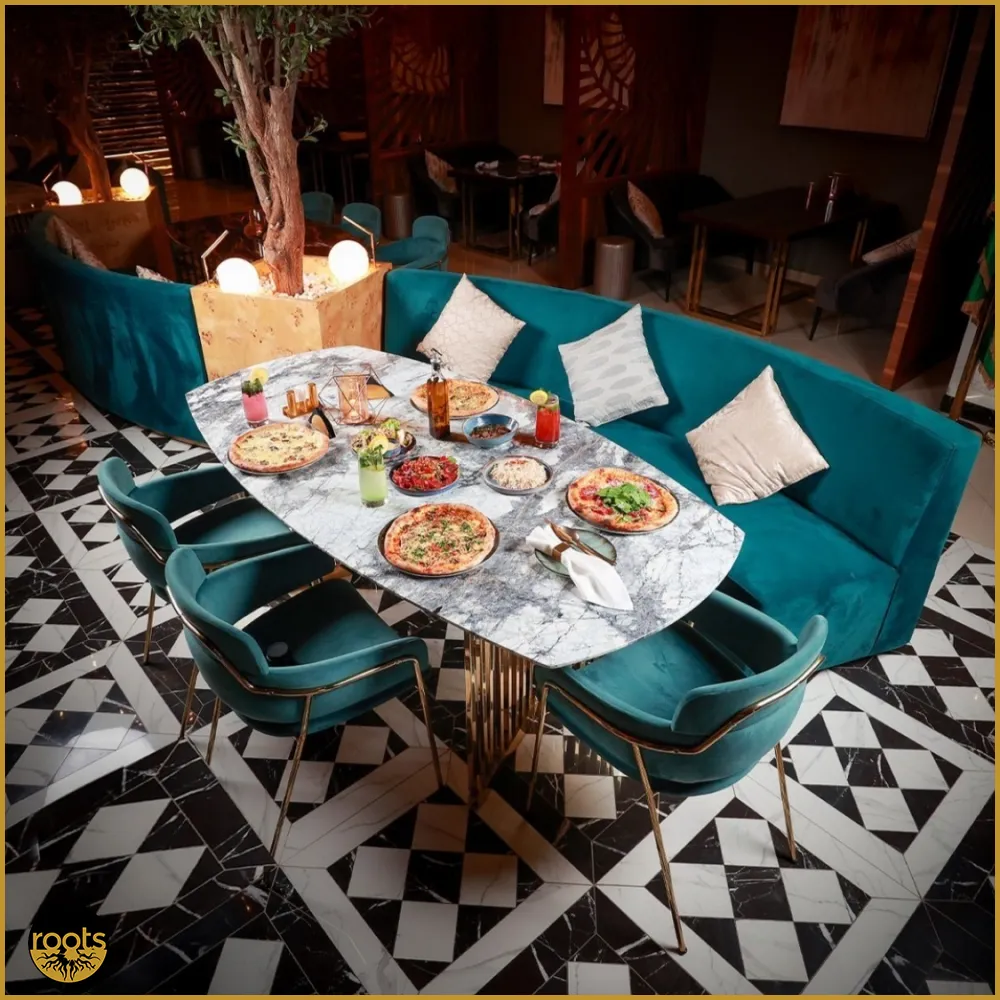
Architectural Restaurant Design and Interior Designs: Transform Your Space
The success of your restaurant is directly related not only to the flavors you offer but also to the atmosphere and functionality of the space where you welcome your guests. Architectural restaurant design forms the fundamental structure of the space, while interior designs equip this structure with aesthetics, comfort and brand identity.
Why Is Restaurant Design Important?
Effective restaurant design plays many critical roles, from attracting the attention of potential customers to enriching the experience of existing customers. A well-designed space:
- Strengthens the First Impression: Customers form a positive perception from the very first moment they step into the space.
- Reflects Brand Identity: A design suited to your concept tells the story of your brand.
- Enhances the Customer Experience: Comfortable seating areas, good lighting and a smooth circulation area increase satisfaction.
- Ensures Operational Efficiency: Smart planning of the kitchen, service area and customer areas enables your staff to work more efficiently.
- Stands Out in Competition: Unique and memorable designs help you stand out from your competitors.
What Is Architectural Restaurant Design?
Architectural restaurant design is the fundamental planning process that covers the physical structure, floor plan, exterior facade and overall space organization of your restaurant. In line with the purpose of use of the space, this stage:
- Determines the overall flow of the space.
- Plans the layout of the entrance, reception area, seating arrangements, kitchen, restrooms and service areas.
- Addresses the aesthetic and functional features of the exterior facade (facade cladding, window/door arrangements, signage placement, etc.).
- Considers the fundamental engineering needs of the space such as structural systems, ventilation and lighting infrastructure.
- Ensures compliance with legal regulations such as fire safety and disabled access.
This forms the fundamental skeleton of the space and is the ground on which all other design elements will rise.
What Do Restaurant Interior Designs Include?
Interior design is built upon the architectural plan and covers the details that give the space spirit and character:
- Concept Determination: Determines what type of gastronomic experience the space will offer (for example, fine dining, bistro, fast casual, ethnic cuisine, etc.).
- Color Palette and Material Selection: Harmony of all visual and tactile elements such as wall colors, floor materials, furniture and lighting fixtures.
- Furniture Selection and Layout: Comfort, aesthetics and distribution within the space of furniture such as tables, chairs, seating groups and bar stools.
- Lighting Design: Use of different light layers such as general lighting, ambient lighting and accent lighting.
- Decoration and Accessories: Enriching the space with paintings, plants, mirrors, textiles and other decorative elements.
- Acoustic Arrangements: Use of sound insulation and absorbent materials so that conversation sounds do not reach disturbing levels.
Who Is It Suitable For?
Architectural restaurant design and interior designs are valuable for anyone in the following situations:
- Entrepreneurs Opening a New Restaurant: Those who want to create a functional and aesthetic space from scratch, suited to their concept.
- Those Who Want to Renovate Their Existing Space: Business owners who want to update an outdated or aging space or change its concept.
- Those Who Want to Increase Customer Satisfaction: Those who aim to enrich the guest experience by improving the atmosphere of the space.
- Those Who Want to Strengthen Brand Identity: Those who wish their restaurant to stand out not only with its food but also with its design.
- Those Who Want to Solve Operational Problems: Those who want to resolve issues such as flow within the space, narrow areas or inefficiency.
Which Needs Does It Meet?
A professional restaurant design service meets the following fundamental needs:
- Creating an Aesthetic and Attractive Space: It creates an atmosphere that attracts your guests, is memorable and visually pleasant.
- Providing a Functional Layout: It offers a planning that ensures both customers move comfortably and staff work efficiently.
- Offering a Design Compatible with Brand Identity: It creates a holistic identity that reflects your restaurant's concept and values.
- Elevating the Customer Experience: It increases guest satisfaction with elements such as comfortable seating arrangements, appropriate lighting and acoustics.
- Ensuring Legal Compliance: It provides professional support on issues such as zoning regulations, health standards and accessibility.
- Cost and Time Management: It minimizes budget and time losses throughout the project with the right material and application choices.
In Which Situations Should It Be Preferred?
A professional architectural and interior design process for your restaurant becomes inevitable in the following situations:
- If you think you cannot fully use the potential of your current space.
- If you want to increase the time your customers spend in your space and their spending potential.
- If your goal is to raise the overall perception and prestige of your brand.
- If you want to create an atmosphere that appeals to your restaurant's target audience and evokes positive emotions in them.
- If you want to add consistency to your existing concept when opening a new branch.
- If you have entered a rebranding process.
Material Selection: Durability, Aesthetics and Cost
In restaurant design, material selection is critically important in terms of both aesthetic appearance and long-term use. Different material types vary in terms of durability, ease of maintenance and cost.
| Material Type | Durability (Suitability for Intensive Use) | Interior Use | Exterior Architectural Use | Average Cost (Relative) |
|---|---|---|---|---|
| Natural Stone (Marble, Granite, etc.) | Very High | Floor, Countertop, Wall Cladding | Floor, Facade Cladding | High |
| Ceramic and Porcelain Tile | High | Floor, Wall Cladding, Countertop | Floor, Facade Cladding | Medium |
| Wood (Solid, Veneer) | Medium (High with Proper Maintenance) | Floor, Wall Panels, Furniture, Ceiling | Veranda, Facade Details (Specially Treated) | Medium - High |
| Concrete (Decorative, Polished) | Very High | Floor, Countertop, Wall | Floor, Facade Cladding | Low - Medium |
| Metal (Stainless Steel, Iron, etc.) | Very High | Furniture Frame, Lighting, Details | Facade Elements, Signage | Medium - High |
| Glass (Tempered, Laminated) | Medium (Tempered High) | Tabletop, Partition Walls, Doors | Facade, Doors, Window | Medium |
| Textile (Fabrics, Leather) | Medium (Depending on Use) | Seat Upholstery, Curtains, Decoration | Not Usable | Medium - High |
What Are Its Aspects That Differentiate It from Alternatives?
Professional architectural and interior design service differs from "do it yourself" approaches or amateur solutions in the following aspects:
- Expertise and Experience: Professionals have in-depth knowledge of the functionality, aesthetics and legal requirements of spaces.
- Holistic Approach: It handles architectural and interior design as a whole, that is, it ensures the harmony of all elements from the skeleton of the space to its furniture.
- Customer Focus: By understanding your target audience and brand values, it designs an experience that meets your guests' expectations.
- Efficiency and Cost Advantage: With correct planning and material selection, it optimizes costs in the long term and prevents unnecessary expenses.
- Innovative Solutions: By following current trends and technological developments in the sector, it adds originality to your space.
Important Note: A successful restaurant design does not only look beautiful; it must also reflect the spirit of the space, offer your guests an unforgettable experience and increase the operational efficiency of your business.
What Should Be Considered Before Purchasing (Receiving Service)?
When you decide to work with a designer or an architecture office for your restaurant, it is important to pay attention to the following points in order to manage the process more efficiently:
- Review References: Examine the designer's previous restaurant projects and portfolio in detail.
- Question the Understanding of Concept: Find out how well the designer understands your concept and how they will interpret it.
- Evaluate the Communication Style: Make sure that you can communicate comfortably with the designer and express your ideas clearly.
- Compare Proposals: Get detailed proposals from different companies. Clarify what the proposals cover (concept development, 3D visualization, material selection, project follow-up, etc.).
- Read the Contract Details: Carefully examine the contract regarding issues such as the scope of the service, payment plan, delivery dates and revision rights.
- Understand the Potential of Your Space: Ask the designer to analyze the strengths and weaknesses of your existing space and to offer suggestions accordingly.
Frequently Asked Questions (FAQ)
How long does restaurant design take?
The project duration varies depending on the size and complexity of the restaurant and the depth of the design. On average, concept development, architectural drawings and interior detailing can take between a few weeks and a few months. The construction process is added on top of this period.
What should I pay attention to when determining a budget?
When determining your budget, consider not only furniture and decoration costs but all items such as architectural project drawings, licensing, electrical, plumbing, ventilation, lighting, floor and wall coverings, and construction/renovation labor. A professional designer can guide you on these matters.
Can I change the atmosphere of the space only with decoration?
No. The most important elements that determine the atmosphere of a space are its architectural structure, lighting, color palette, material selection and acoustics. Decoration plays a complementary role to these elements. All these elements must be considered as a whole.
I want to modernize my existing restaurant, what do you suggest?
First, identify the strengths of your existing restaurant. Then, considering the expectations of your target audience and current design trends, you can update the color palette, lighting, furniture and material selections. Even smart touches in certain areas can make a big difference.











































































