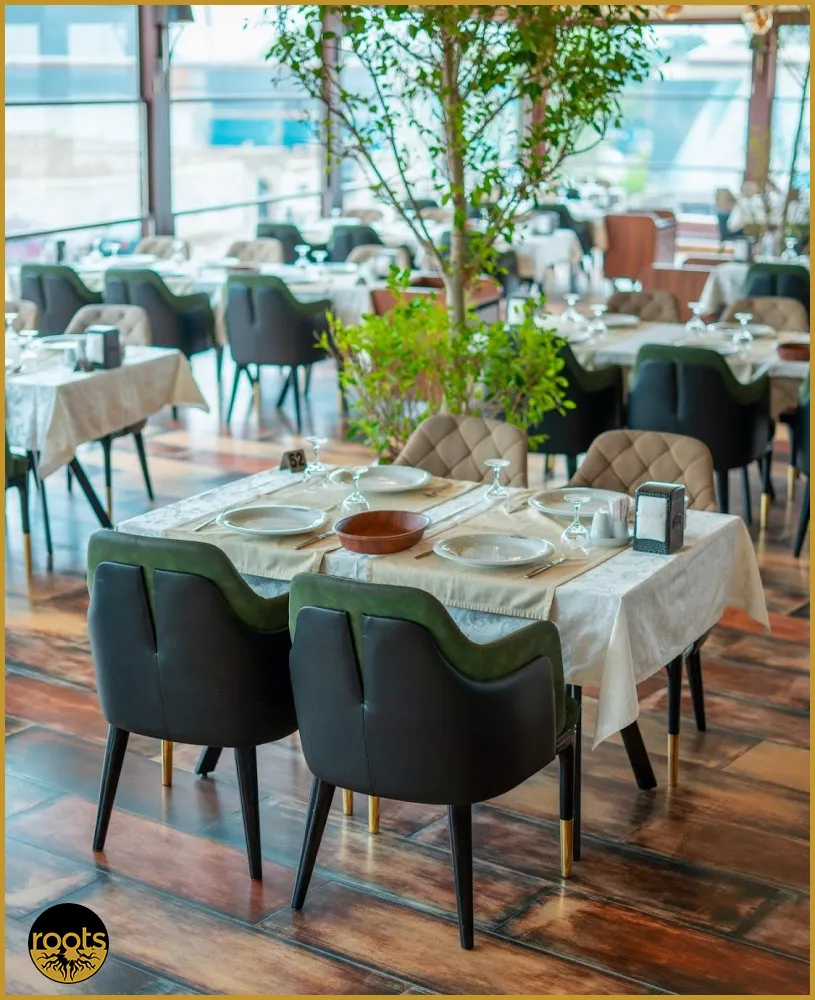
Architectural Restaurant Design and Interior Solutions
The success of a restaurant is directly related not only to the flavors it offers but also to the atmosphere it creates and the customer experience it provides. Your restaurant's architectural design and interior arrangements form the cornerstones of this experience. A professional restaurant design both reflects the identity of your business and ensures that your guests accumulate unforgettable memories that will affect them for a long time.
What Is Restaurant Design and Why Is It Important?
Restaurant design is a comprehensive process that, beyond merely beautifying spaces with aesthetic concerns, addresses all the functions, aesthetics, brand identity and customer experience of a restaurant with a holistic approach. This process covers a wide range, starting from the architectural structure of the space to the selection of materials to be used in the interior, from lighting arrangements to furniture placement, from the efficiency of kitchen and service areas to seating arrangements.
Key Points:
- First Impression: Customers form an impression the moment they step into the space. This first impression provides important clues about the overall quality of the space and the experience it offers.
- Brand Identity: Design visually expresses your restaurant's concept, style and values. This increases your brand's memorability.
- Functionality and Efficiency: Good design optimizes the flow between kitchen, service and customer areas, increasing operational efficiency. This both provides a more comfortable working environment for staff and raises service quality.
- Customer Comfort and Experience: Comfortable seating arrangements, appropriate lighting, good acoustics and an aesthetically pleasant environment ensure that your guests have a more enjoyable time.
- Competitive Advantage: A unique and eye-catching design helps you stand out from your competitors and attract more customers.
Who Is It Suitable For?
Architectural restaurant design and interior solutions are ideal for food and beverage businesses of every scale and every concept:
- Restaurants to Be Newly Opened: Entrepreneurs creating a space from scratch need professional support to establish their brand identity correctly from the start and reach their target audience.
- Those Who Want to Renovate Their Existing Restaurant: Businesses that are aging, outdated or considering a concept change can undertake renovation projects to increase customer appeal and improve their operational efficiency.
- Chain Restaurants: Chain businesses that want to create a consistent brand experience and offer the same quality across different branches can stand out with designs that are standardized but include details specific to each space.
- Spaces with Different Concepts: Every type of concept, from fine dining restaurants to quick service points, from themed cafes to bistros, can be made more effective with custom design approaches.
Which Needs Does It Meet?
A professional restaurant design contributes to long-term success by meeting various needs of your business:
- Maximizing Space Potential: Using the existing area in the most efficient way to both serve more guests and optimize operational areas.
- Increasing Customer Appeal: Inviting more guests by creating an aesthetically striking space that is in harmony with the concept.
- Ensuring Operational Efficiency: Increasing staff efficiency and shortening service times by ensuring a flawless flow between kitchen, bar, service and seating areas.
- Strengthening Brand Identity: Creating a strong brand image by reflecting the restaurant's concept, story and values in every detail of the space.
- Raising Customer Satisfaction: Increasing the revisit rate by ensuring that guests have a comfortable, enjoyable and unforgettable experience.
- Cost Optimization: Reducing energy and maintenance costs in the long term with the right material and lighting choices.
- Legal Compliance and Safety: Developing designs in accordance with legal regulations such as fire safety and accessibility standards.
In Which Situations Should It Be Preferred?
Restaurant design services are of critical importance, especially for the following situations:
- Opening a New Restaurant: Establishing a correct foundation from the start is the most solid path to future success.
- Concept Change: If you plan to change the concept of your existing restaurant, a comprehensive design is required for the space to take on its new identity.
- Customer Dissatisfaction: If your existing space negatively affects your guests' comfort or experience, design improvements are necessary.
- Increasingly Competitive Environment: In situations where competition in the sector intensifies, innovative designs are important to stand out and make a difference.
- Operational Problems: If you experience ongoing problems with the kitchen, service or customer flow, this is usually caused by a lack of design.
- Inefficient Use of the Space: If you think the area is not being used correctly, you can reveal its potential with a professional design.
In What Ways Does It Differ from Its Alternatives?
In restaurant design, "alternatives" can generally be divided into two main categories: Do-It-Yourself Designs and Professional Design Services. Professional architectural restaurant design services offer distinct advantages over other options:
- Expertise and Experience: Designers have in-depth knowledge of the dynamics of the gastronomy sector, customer psychology, material knowledge and legal requirements.
- Flawless Functionality: They offer designs in which not only aesthetics but also operational flow is optimized.
- Brand Integrity: They create a consistent visual language in full harmony with the restaurant's concept and brand identity.
- Cost Efficiency (In the Long Term): They aim to get the best return on the investment made. They prevent reconstruction costs caused by faulty designs.
- Mastery of Trends: By following current design trends, they make the space both timeless and innovative.
- Tailor-Made Solutions: They develop custom solutions suited to the unique needs and budget of each business.
What to Consider in Material Selection
The selection of materials used in restaurant interiors directly affects the atmosphere, durability and ease of maintenance of the space. A comparison of different material types on the axis of durability, indoor or outdoor use and cost is presented below:
| Material Type | Durability | Indoor Use | Outdoor Use | Cost (General Assessment) | Prominent Features |
|---|---|---|---|---|---|
| Natural Stone (Marble, Granite, etc.) | High | Floor, Countertop, Wall | Limited (Treated ones) | High | Luxurious, Aesthetic, Durable |
| Wood (Solid, Veneer, Composite) | Medium - High (Depending on Type) | Floor, Wall, Furniture | Limited (Specially treated ones) | Medium - High | Warm, Natural, Aesthetic |
| Ceramic and Porcelain | High | Floor, Wall, Countertop | High (Frost-resistant ones) | Medium | Durable, Easy to Clean, Various Patterns |
| Concrete (Polished, Decorative) | High | Floor, Wall, Countertop | High | Medium | Industrial, Modern, Durable |
| Metal (Stainless Steel, Iron) | High | Furniture, Accessories, Decorative Elements | High (Coated ones) | Medium - High | Industrial, Modern, Sturdy |
| Glass (Tempered, Laminated) | Medium - High | Tabletop, Partition, Lighting | Limited | Medium | Transparent, Sense of Spaciousness, Modern |
| Fabric and Upholstery | Variable (Depending on Area of Use) | Seating Areas, Decorative Panels | Not Used | Variable | Comfort, Variety in Color and Texture |
What Should Be Considered Before Purchasing?
There are some important points you should pay attention to before starting a restaurant design project or before deciding to work with a design firm:
- Define Your Target Audience: Determining who the design will appeal to will guide the choice of concept and style.
- Determine Your Budget: Create a realistic budget for all items such as design, implementation and furniture.
- Clarify Your Concept: What kind of cuisine will you offer? What kind of atmosphere do you want to create? (e.g. quick service, fine dining, family restaurant, bar, etc.)
- Evaluate the Physical Characteristics of the Space: Consider factors such as the size and shape of the existing area, window and door positions, and structural systems.
- Consider the Operational Flow: Plan how the kitchen, service and guest areas will interact with each other.
- Review References: Take a look at the design firm's previous projects. Are their styles compatible with your vision?
- Communication and Understanding: Make sure you can establish good communication with the designer, that they understand your ideas and are open to your feedback.
- Get a Detailed Proposal: Obtain a written contract or proposal that includes the scope of the project, delivery dates and payment terms.
- Research Legal Requirements: Learn about legal permits, health regulations and accessibility standards related to opening a restaurant.
- Think Long Term: Take into account the ease of maintenance, durability and how your chosen materials and design will age over time.
Frequently Asked Questions (FAQ)
Question: How long does the restaurant design process take?
The restaurant design process can vary depending on the size and complexity of the project, the current condition of the space and the approval processes. It generally takes between a few weeks and a few months, including concept development, architectural drawings, interior architecture detailing, material selection and licensing processes. The implementation period is not included in this process.
Question: How are restaurant design costs determined?
Design costs are generally determined on a square meter basis of the project, according to the scope of the service provided (concept development, architectural projects, interior architecture details, 3D visualizations, etc.) and the experience and reputation of the design office. Implementation costs, on the other hand, vary greatly depending on the quality of the selected materials, the type of furniture and labor standards. A detailed survey and proposal process will give a clear idea about the costs.
Question: Which types of lighting in design most affect the restaurant atmosphere?
The types of lighting that most affect the restaurant atmosphere include ambient lighting (general illumination), task lighting (for work areas such as tables and the bar counter) and accent lighting (to highlight decorative objects, wall details or works of art). Light sources with the correct color rendering index (CRI) value make food look more appetizing. Dimmer (light intensity adjustment) systems allow the atmosphere to be changed according to different times of the day or special events.
Question: What should be considered in design for the accessibility of the space?
Accessibility in design means ensuring that all guests can use the space comfortably. This includes elements such as ramp access for guests with disabilities, corridors and doors of sufficient width, restrooms and tables at appropriate heights, and clear and readable directional signage. Compliance with local legal regulations is also of great importance in this regard.
Question: Why is restaurant kitchen design so important?
Kitchen design is the heart of a restaurant. A correct kitchen design maximizes operational flow, speeding up food preparation, cooking and service processes. This both increases staff efficiency and raises service quality. It is also critically important in terms of ensuring hygiene standards, safety measures and energy efficiency.











































































